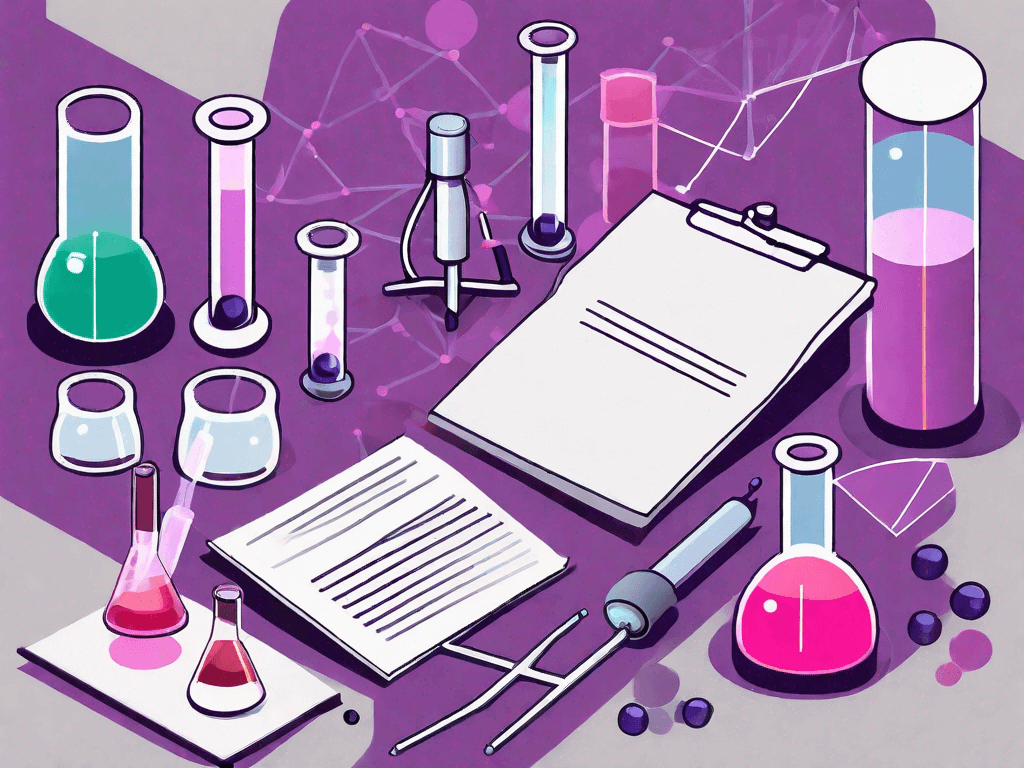
Clinical drug trials are at the heart of medical innovation, helping bring promising new treatments from the laboratory to the patients who need them. By participating in these carefully controlled studies, you not only gain early access to cutting-edge therapies but also contribute to discoveries that can transform cancer care and save lives. These trials undergo multiple phases to rigorously assess safety and effectiveness, all under strict ethical guidelines designed to protect you. Understanding how clinical trials work can empower you to make informed decisions about your treatment options and your role in advancing cancer research.
What Are Clinical Drug Trials and Why Do They Matter?
Clinical drug trials are research studies involving people like you, designed to test new medications or treatments in a safe, controlled way. Before a new therapy can become widely available, it must pass through these trials to ensure it works well and doesn’t cause harmful side effects. Volunteers are carefully screened to find those who fit the specific health criteria for each study. During the trial, some participants receive the experimental treatment, while others might get a placebo or the current standard treatment, allowing researchers to compare results fairly.
Phases of Clinical Trials: What to Expect
Clinical trials usually unfold in phases, each with a distinct purpose:
- Phase I tests a new drug in a small group of healthy volunteers to evaluate safety and find the correct dosage.
- Phase II expands to patients with the targeted condition (like a specific cancer type) to see if the drug is effective and safe.
- Phase III enrolls a larger group to compare the new treatment against existing options and confirm its benefits.
- Phase IV occurs after approval, monitoring how the drug performs in everyday use over a longer time.
Your participation is always voluntary — you can choose to join or leave a trial at any time.
How Clinical Trials Advance Cancer Treatment
By contributing to clinical trials, you help uncover therapies that may improve survival and quality of life. Trials also explore new ways to combine treatments or tailor therapies to an individual’s genetic makeup, making cancer care more personalized. The data gathered helps doctors make better-informed treatment decisions and regulators approve drugs that offer real benefits.
Ethical Protections to Keep You Safe
Your safety and rights are paramount in clinical research. Before joining, you’ll receive detailed information — called informed consent — so you understand what the study involves, including potential risks and benefits. Ethical review boards oversee every trial to ensure strict standards are met, balancing any risks against potential rewards.
Challenges and Innovations in Clinical Trials
Recruiting enough eligible participants and keeping them engaged are ongoing challenges, especially to ensure diverse populations benefit from research advances. To overcome these, researchers are adopting new technologies like remote monitoring and digital platforms that make participation easier and more convenient. Artificial intelligence is also speeding up data analysis, helping identify promising treatments faster.
Global Collaboration Expands Impact
Clinical trials now often include multiple countries and populations, providing more comprehensive information about a treatment’s effectiveness across different groups. This global approach fosters collaboration among scientists worldwide and accelerates progress against diseases like cancer.
In summary
Clinical drug trials are a vital stepping stone toward better cancer treatments. By learning about the process and considering participation, you can play an active role in shaping the future of healthcare—both for yourself and for countless others.
FAQs About Clinical Drug Trials
-
How do I find out if there is a clinical trial right for me?
You can talk to your healthcare provider or visit trusted registries like ClinicalTrials.gov to search for trials based on your diagnosis, location, and other factors. -
Will I have to pay to participate in a clinical trial?
Most approved trials cover the cost of the experimental treatment and related medical tests. However, some costs may not be covered, so it’s important to discuss this upfront with the trial team. -
What happens if I experience side effects during the trial?
Your health and safety are closely monitored throughout the trial. If you experience any side effects, report them immediately to the research team, who will provide care and decide on any treatment adjustments. -
Can I still receive standard treatment if I join a trial?
Yes. Many trials compare new treatments against the current standard care to ensure you receive the best known therapy available during the study. -
How is my privacy protected in a clinical trial?
All your personal health information is kept confidential and handled according to strict privacy laws and regulations, ensuring your data is secure.
For more detailed information, you can visit resources like the National Cancer Institute and Mayo Clinic’s guide to clinical trials.
Embracing the journey of clinical drug trials can be empowering. Whether you’re a patient exploring new treatment options or a caregiver supporting a loved one, understanding this process opens doors to hope and innovation in cancer care.