
Biopsies offer a powerful glimpse into your body’s cellular health, helping detect cancer early when treatment has the best chance of success. This essential procedure not only confirms whether cancer is present but also reveals important details about its type and behavior, guiding your medical team toward the most effective treatment plan. With advances in technology making biopsies more precise and less invasive, understanding their role and your biopsy results can empower you to take informed steps in your cancer care journey.
What Is a Biopsy and Why Does It Matter?
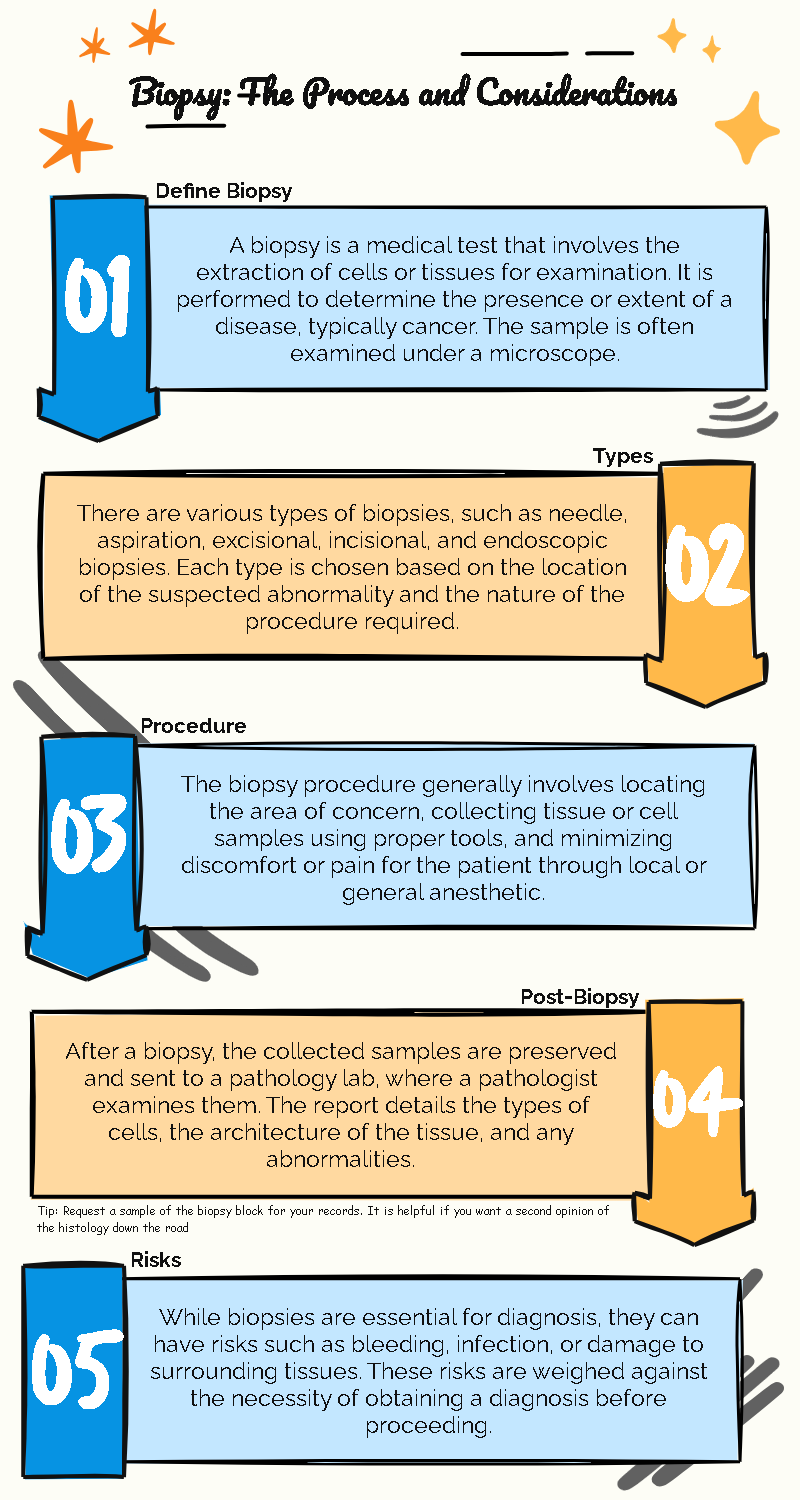
At its core, a biopsy involves removing a small piece of tissue or cells from your body so a specialist called a pathologist can examine them under a microscope. This examination is crucial because it determines if abnormal cells are benign (non-cancerous) or malignant (cancerous), and it helps identify how aggressive the cancer might be. Early detection through biopsy offers a much better chance for effective treatment and improved survival.
How Have Biopsies Improved?
Traditional biopsy methods have become much more precise thanks to imaging technologies like MRI, CT scans, and ultrasound. These tools help doctors target suspicious areas more accurately, reducing discomfort and improving diagnostic accuracy. You might also hear about liquid biopsies — a newer, less invasive test that detects cancer-related DNA or cells circulating in your blood, which is helpful for ongoing monitoring.
What Should You Do If a Biopsy Is Recommended?
If your doctor suggests a biopsy, it’s important to follow through promptly. Early screening can save lives by catching cancer before it grows or spreads. Pay attention to any persistent symptoms such as unusual lumps, unexplained pain, or changes in your body, and share them with your healthcare provider.
After the procedure, follow your care instructions carefully to reduce the risk of infection and aid healing. Don’t hesitate to ask your doctor questions about the procedure and what the results could mean for your health.
Understanding Your Biopsy Results
When your biopsy results come back, they will indicate whether cancer is present and provide details about its type and stage. If cancer cells are found, your healthcare team will discuss treatment options tailored to your diagnosis. If no cancer is detected, you may still need follow-up tests or monitoring, especially if symptoms persist or you have risk factors.
Consider asking your doctor:
- What exactly do my biopsy results mean?
- What type and stage of cancer do I have?
- What are the best treatment options based on these results?
Your Path Forward
Remember, biopsies are just one step in your cancer care journey. They offer critical information that helps you and your healthcare team make the most informed decisions. Staying proactive with screening, symptom awareness, and open communication with your medical providers puts you in a strong position to manage your health.
For more information and trusted resources on biopsies and cancer detection, visit the National Cancer Institute’s guide on biopsy procedures, the American Cancer Society’s understanding biopsy tests, or watch this overview from the Mayo Clinic’s YouTube channel.
Frequently Asked Questions
- How painful is a biopsy and what should I expect during the procedure?
Biopsies vary depending on the type and location but are usually done with local anesthesia to minimize discomfort. You might feel some pressure or mild pain, but the procedure is generally quick and safe. - How long does it take to get biopsy results?
Results typically take a few days to a week, depending on the complexity of the analysis. Your healthcare team will inform you about the expected timeline. - Can a biopsy cause cancer to spread?
No. Modern biopsy techniques are safe and do not increase the risk of spreading cancer cells. The benefits of accurate diagnosis far outweigh any minimal risks. - What if my biopsy results are inconclusive?
Sometimes the tissue sample is not sufficient to make a definite diagnosis. In such cases, your doctor might recommend another biopsy or different tests to clarify the findings. - Are liquid biopsies replacing traditional biopsies?
Liquid biopsies are an exciting development, especially for monitoring cancer over time, but they cannot yet fully replace tissue biopsies for initial diagnosis. Your doctor will recommend the best approach based on your situation.