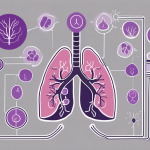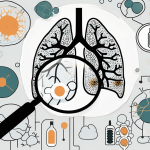
Imagine a tiny change in your lung cancer cells’ DNA opening the door to treatments tailored just for you—treatments that can be more effective and cause fewer side effects than traditional chemotherapy. This is the promise behind understanding EGFR mutations in non-small cell lung cancer (NSCLC). By learning about these genetic changes and the targeted drugs designed to block them, you can gain insight into cutting-edge therapies that personalize your fight against lung cancer and improve your quality of life.
What Are EGFR Mutations and Why Do They Matter?
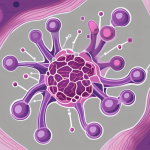
EGFR stands for Epidermal Growth Factor Receptor, a protein found on the surface of cells that normally helps control how cells grow and divide. Sometimes, in NSCLC, the gene that makes EGFR mutates—a bit like a typo in an instruction manual. This mutation causes the protein to send constant “grow” signals, helping cancer cells multiply uncontrollably.
Knowing if your cancer has an EGFR mutation is crucial because it directly influences your treatment. Instead of one-size-fits-all chemotherapy, doctors can use EGFR inhibitors—medications that specifically block these faulty signals, slowing or even stopping tumor growth. This approach represents a major shift toward precision medicine, tailoring care to the unique biology of your cancer.
How Are EGFR Mutations Detected?
If you’ve been diagnosed with NSCLC, asking your oncologist about EGFR mutation testing is a vital step. This involves examining your tumor’s genetic makeup through a biopsy or blood test to identify specific mutations. Quick and accurate testing means you can start the most effective therapy sooner.
There are different types of EGFR mutations, and some newer drugs target mutations that become resistant to earlier treatments. Understanding your mutation type helps your healthcare team choose the best inhibitor for you.
Real-Life Impact: Maria’s Story
Take Maria’s experience: at 58, she was diagnosed with advanced NSCLC despite being a non-smoker. Genetic testing found an EGFR mutation, so her doctor prescribed an EGFR inhibitor. Maria responded well, experiencing meaningful tumor shrinkage and fewer side effects than with chemotherapy. This personalized treatment gave her more time and better quality of life with her family.
What Should You Ask Your Doctor?
- Is EGFR mutation testing right for my cancer?
- What do my test results mean for my treatment options?
- What EGFR inhibitors are available, and which might suit me best?
Keeping Up with Advances
Cancer treatment is progressing rapidly. New generations of EGFR inhibitors continue to emerge, designed to overcome resistance and improve outcomes. Staying informed will help you and your healthcare team make the best decisions as options evolve.
Where to Learn More
For reliable, up-to-date information, visit resources like the National Cancer Institute, the American Cancer Society, or watch insightful videos from trusted sources like the Mayo Clinic’s lung cancer playlist.
In Summary
Understanding EGFR mutations empowers you to take an active role in your lung cancer treatment. By embracing targeted therapies, you’re not just fighting cancer—you’re engaging in a treatment plan tailored to your unique genetic profile, offering hope for better outcomes and improved well-being.
Frequently Asked Questions
- What is an EGFR mutation, and how does it affect lung cancer?
An EGFR mutation is a change in the gene that codes for a protein controlling cell growth. In lung cancer, these mutations cause cells to multiply uncontrollably. Identifying them helps doctors select targeted treatments. - How do EGFR inhibitors differ from chemotherapy?
EGFR inhibitors specifically block the faulty protein signals driving cancer growth, usually causing fewer side effects compared to chemotherapy, which attacks all rapidly dividing cells. - Who should get tested for EGFR mutations?
Anyone diagnosed with non-small cell lung cancer should discuss EGFR testing with their doctor, especially non-smokers or those with adenocarcinoma, as they are more likely to have these mutations. - Can EGFR mutations change during treatment?
Yes, sometimes cancer develops new mutations that resist initial drugs. Newer EGFR inhibitors can target these changes, which is why ongoing monitoring is important. - Where can I find trustworthy information about EGFR mutations and lung cancer?
Visit the National Cancer Institute, American Cancer Society, or Lung Cancer Research Foundation for reliable resources.
By learning about EGFR mutations and available treatments, you can navigate your lung cancer journey with greater confidence and hope. Remember, personalized medicine is not just a future goal—it’s changing lives today.