Supporting cancer research plays a vital role in transforming how we understand, prevent, and treat cancer. Through efforts led by organizations like the National Cancer Institute and the American Cancer Society, breakthroughs in personalized medicine, immunotherapy, and early detection have improved outcomes for countless patients. By engaging in research—whether through donations, clinical trial participation, or volunteering—you become part of a powerful movement that advances treatments and offers hope to families affected by cancer. This article explores the different types of cancer research, recent treatment innovations, and practical ways you can support these life-saving efforts.
Understanding Cancer Research and Its Impact

Cancer research is the scientific study of how cancer develops, spreads, and responds to treatment. It includes everything from laboratory studies uncovering molecular causes inside cells to large clinical trials testing new therapies in people. For you, understanding cancer research means recognizing how research efforts lead to better screening tests, advanced treatments, and improved support services.
The National Cancer Institute (NCI) leads many of these efforts, funding research that ranges from basic science to public health initiatives addressing disparities in cancer care. The American Cancer Society also plays a crucial role by supporting research, providing patient resources, and raising awareness.
Types of Cancer Research You Should Know About
-
Basic Research
This is the foundation, exploring cancer at a cellular and genetic level to understand how tumors develop and resist treatment. This knowledge helps design new therapies tailored to specific cancer types. -
Clinical Trials
Clinical trials test new treatments, drugs, or procedures to ensure they are safe and effective. Participating in clinical trials may give you access to cutting-edge therapies while contributing to medical progress. If you have been diagnosed with cancer, asking your doctor about clinical trial options might open doors to promising treatments. -
Cancer Prevention Research
This branch studies lifestyle factors, vaccines, and strategies that reduce cancer risk. For instance, research on HPV vaccination has led to programs that help prevent cervical and other cancers. -
Health Disparities Research
Cancer doesn’t affect all populations equally. This type of research examines why some communities face higher cancer rates or worse outcomes due to factors like access to care or environmental exposures. Understanding this helps promote health equity.
Recent Advances Changing Cancer Care
Exciting advancements continue to emerge from cancer research. Precision medicine personalizes treatment by analyzing your tumor’s unique genetic makeup, targeting therapies more effectively. Immunotherapy boosts your immune system’s ability to attack cancer cells, offering new hope in difficult cases. Early detection methods and prevention efforts, such as lifestyle programs and HPV vaccination, complement these treatments by catching cancer early or preventing it altogether.
How Cancer Research Benefits You and Your Loved Ones
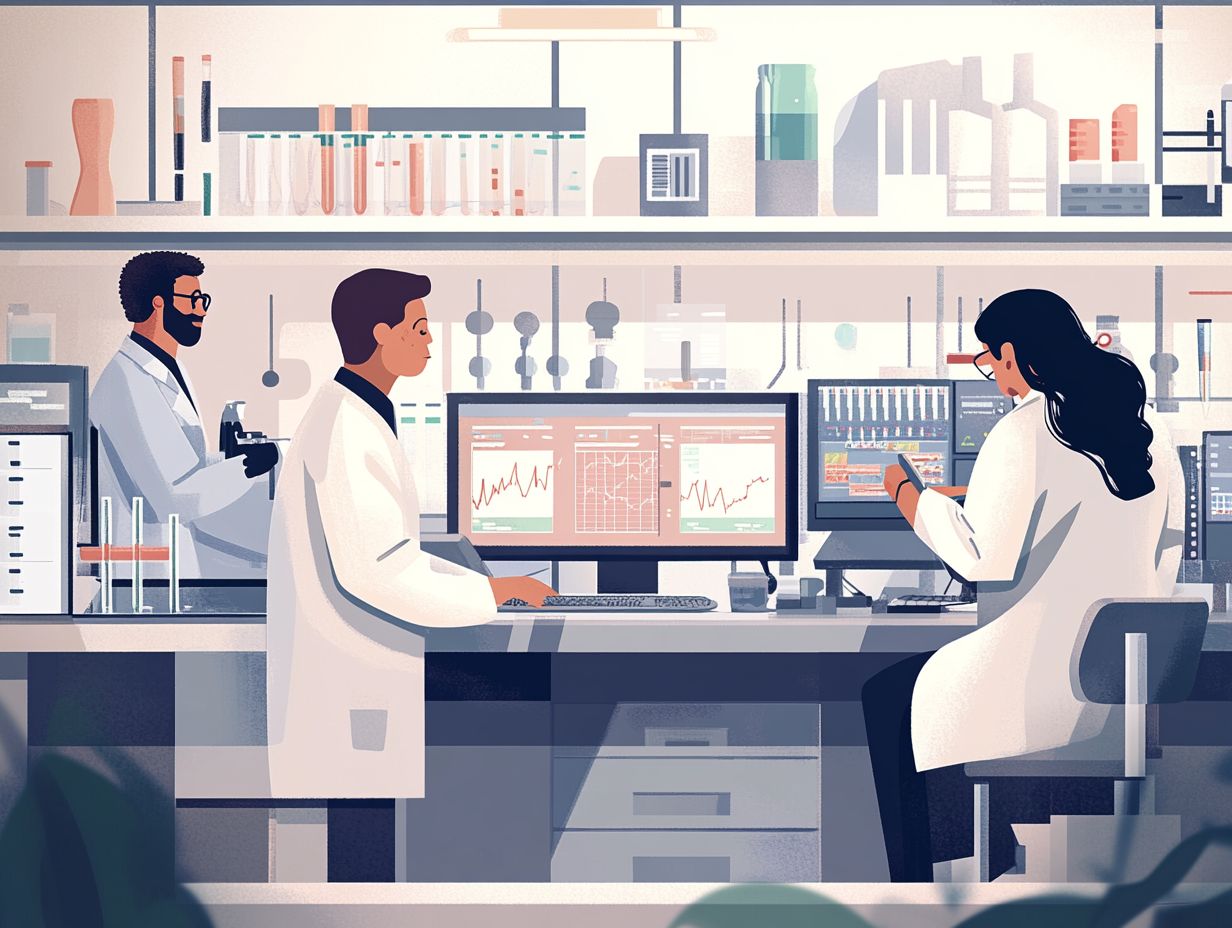
Every advance in cancer research has a direct impact on patients and families. Research leads to treatments that can extend life, reduce side effects, and improve quality of life. Beyond individual care, cancer research supports survivorship programs that help patients manage life after treatment and guides advocacy groups working for better healthcare policies.
Ways You Can Support Cancer Research
You don’t have to be a scientist to make a difference. Here are practical steps you can take:
- Donate to reputable organizations like the National Cancer Institute or American Cancer Society to fund ongoing research projects.
- Participate in clinical trials if eligible, which accelerates the development of new treatments and may provide access to novel therapies.
- Volunteer your time with cancer support groups or research initiatives to help raise awareness and resources.
- Engage in fundraising events to contribute financially and build community support around cancer research.
Trustworthy Resources to Guide You

For more detailed information, consider visiting:
- National Cancer Institute (NCI) — Comprehensive cancer research and clinical trial information.
- American Cancer Society — Resources for patients and ways to get involved in cancer research advocacy.
- Cancer Research Institute — Focuses on immunotherapy research and patient support.
Frequently Asked Questions
What does supporting cancer research really mean?
Supporting cancer research means contributing resources—such as time, money, or participation—to studies that seek to improve how we prevent, detect, and treat cancer.
How can I find out if a clinical trial is right for me?

Speak with your oncologist about available clinical trials and visit reliable registries like ClinicalTrials.gov to explore options tailored to your diagnosis.
Is donating money the only way to help cancer research?
Not at all. Volunteering, fundraising, spreading awareness, and enrolling in clinical trials are all valuable ways to support research efforts without a direct financial contribution.
How do I know my donation is making a difference?
Choose organizations with transparent reporting, clear funding goals, and accreditation. Many reputable groups provide updates on how donations advance research projects.
Why is ongoing cancer research so critical?
Because cancer is a complex disease that evolves, continuous research ensures new treatments keep pace with these changes, improves patient outcomes, and brings hope to families worldwide.
By joining the effort to support cancer research, you become part of a global community working to turn today’s discoveries into tomorrow’s cures. Your involvement can help save lives and improve the future of cancer care.