If you’re facing a cancer diagnosis, you might find that joining a cancer support group can play a vital role in your emotional healing and overall well-being. These groups create a compassionate space where you and others share experiences, exchange practical coping strategies, and build resilience together—whether you meet in person or join an online community. From specialized groups focusing on specific cancer types or demographics, to caregiver and survivor support, these connections can help reduce isolation and empower you throughout your journey. This guide explores the different kinds of cancer support groups, how to find one that fits your needs, and what to expect when you join, helping you take a confident step toward emotional support and community connection.
Why Cancer Support Groups Matter for You

Facing cancer often brings complex emotions and challenges. Support groups act as a lifeline, offering a safe environment where you can openly share your feelings and learn from others who truly understand. Whether led by licensed professionals like oncology social workers or by peers who have walked a similar path, these groups help you develop emotional resilience and improve psychological well-being.
You may find yourself relieving feelings of loneliness by connecting with people who share your experience. Support groups also provide practical advice on coping with treatment side effects, managing day-to-day challenges, and navigating the healthcare system. When you join a group tailored to your cancer type—such as breast cancer, blood cancers, or even groups for young adults or LGBTQ+ individuals—you gain insights that directly relate to your unique situation.
Different Types of Cancer Support Groups
Support groups come in various formats to suit your preferences and needs:
- In-Person Support Groups: These groups offer face-to-face interaction, allowing you to build personal connections. Meetings might include sharing stories, guided discussions, and activities that foster healing and camaraderie. Programs like Healing With Words provide structured sessions to help you express and process your emotions.
- Online Support Groups: If you prefer privacy or cannot easily travel, online support communities hosted on platforms like Zoom or specialized forums can provide flexible access. You can engage from the comfort of your home with others who understand your journey—helping reduce anxiety and build connections across distances. Experts sometimes offer talks and coping workshops in these virtual spaces to add valuable resources.
- Peer-Led and Professional-Led Groups: Some groups are facilitated by trained professionals, which ensures guided discussions and educational support. Others are led by survivors and caregivers who provide peer support based on lived experience.
Whatever your preference, you’ll find groups focused on different cancers, ages, and identities. For example, CanCare provides compassionate peer support specifically for cancer patients and caregivers.
Where to Find Cancer Support Groups Near You
Finding a support group that fits your needs can feel overwhelming, but several reliable ways can help:
- Ask Your Healthcare Team: Oncologists, nurses, social workers, or counselors involved in your care often know about local or hospital-based support programs designed to complement your treatment.
- Explore Non-Profit Organizations: The American Cancer Society, National Cancer Institute, and organizations like CanCare offer directories and referrals to a variety of support networks.
- Use Online Resources: Websites and platforms dedicated to cancer communities provide listings of virtual and local groups, including those for specific cancers like metastatic breast cancer or melanoma. For example, Cancer Support Community hosts online and in-person support options.
If you live in areas like New York or New Jersey, local hospital networks and state cancer coalitions often sponsor support groups as well.
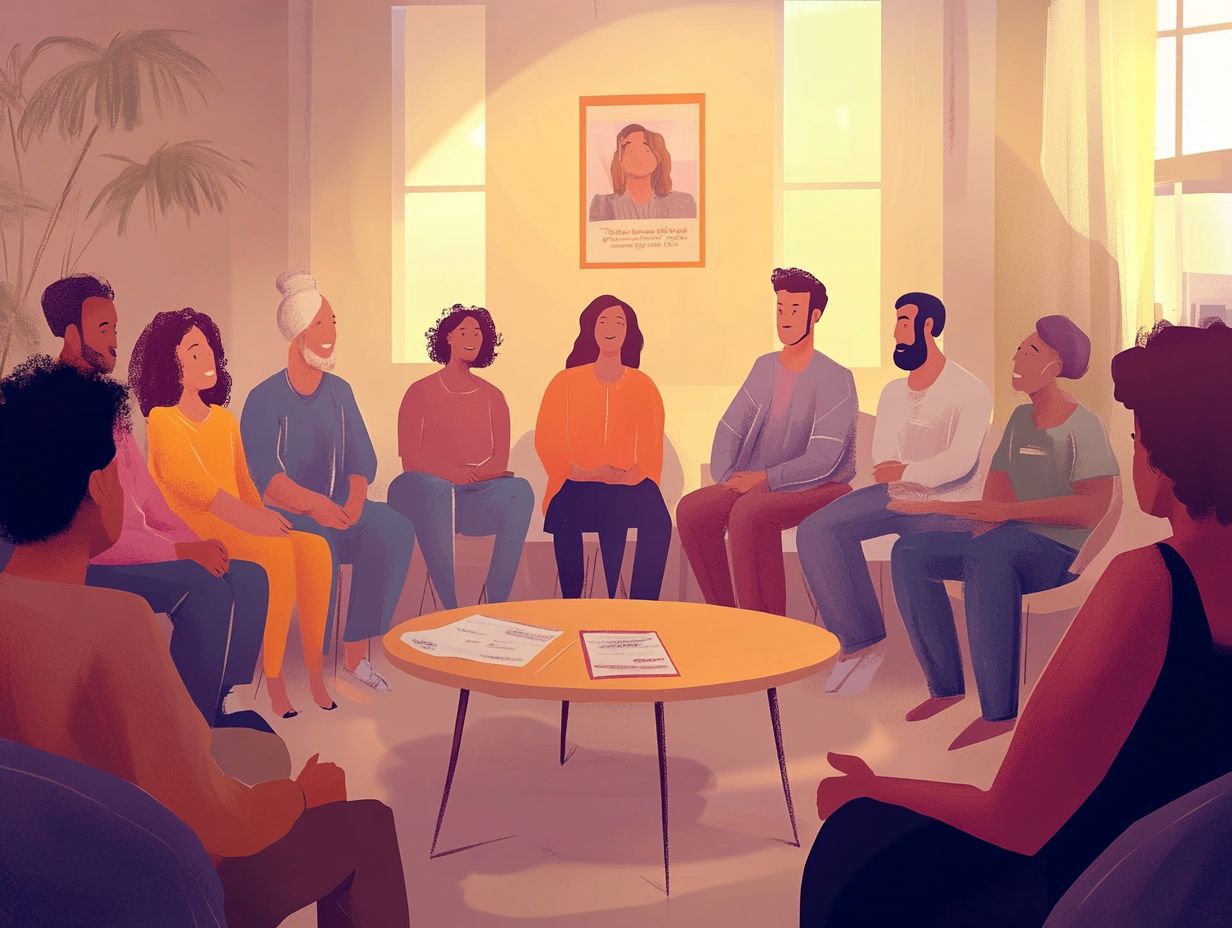
What You Can Expect When Joining a Support Group
Understanding how support groups function can help you feel more comfortable and prepared:
- Meeting Format: Sessions often include open discussions, sharing personal stories, educational talks, and coping strategy workshops. You can choose to share as much or as little as you want.
- Confidentiality: Privacy is a cornerstone of support groups. Everything shared stays within the group to create a safe environment where you can be honest without fear of judgment.
- Respectful Atmosphere: Facilitators encourage listening with empathy and respecting diverse experiences and opinions.
- Structured Support: Many groups have designated leaders, either professionals or trained volunteers, to guide conversations, keep discussions productive, and provide resources.
You’ll likely find a group atmosphere where you can both offer support to others and receive support yourself, a process that nurtures healing and empowerment.
Frequently Asked Questions

How can a support group help me during cancer treatment?
Support groups connect you with others who understand your experience and provide emotional comfort, practical advice on managing treatment side effects, and strategies to cope with daily challenges. This network can reduce feelings of isolation and give you a stronger sense of control.
Are there support groups for family members and caregivers?
Yes. Many support groups welcome caregivers and family members so they can learn how best to support their loved ones and manage their own emotional well-being.
What should I look for when choosing a support group?
Look for a group with a welcoming atmosphere where you feel comfortable sharing. It helps if the group matches your cancer type or personal background, and offers sessions with practical information and emotional support.
Can I participate in a support group if I live far from treatment centers?
Absolutely. Online support groups provide accessible options from your home, allowing flexible scheduling and connection to a wide community.
Where can I find specialized support, such as for young adults or LGBTQ+ cancer patients?
Non-profit organizations and cancer centers often provide directories for groups tailored to different age groups, identities, and cancer types. For example, the LGBTQ+ Cancer Project offers targeted support resources.