Finding local cancer support services is essential for individuals navigating the challenges of a cancer diagnosis, treatment, and recovery. These services encompass a wide range of resources, including medical care, emotional support, psychological, financial, and practical support, all designed to assist patients in managing their health and well-being.
Local services can vary but typically include:
- Medical Support Services: Access to cancer treatment, follow-up care, and specialized therapies.
- Emotional and Psychological Support: Counseling, support groups, online forums, and integrative oncology for mental health and resilience.
- Financial and Practical Assistance: Help with treatment costs, transportation assistance, and accommodations like Hope Lodge and Extended Stay America.
To locate these vital resources, consider exploring online directories like the American Cancer Society’s database, seeking recommendations from healthcare providers, and connecting with community organizations and non-profits focused on cancer support, such as CSCNT and EverYou.
Ensuring access to quality support services can significantly impact the cancer journey, offering patients and their families the tools they need to focus on healing and recovery. This can include attending educational presentations, nutrition counseling, and participating in programs like healing through writing.
Key Takeaways:
What are Cancer Support Services?
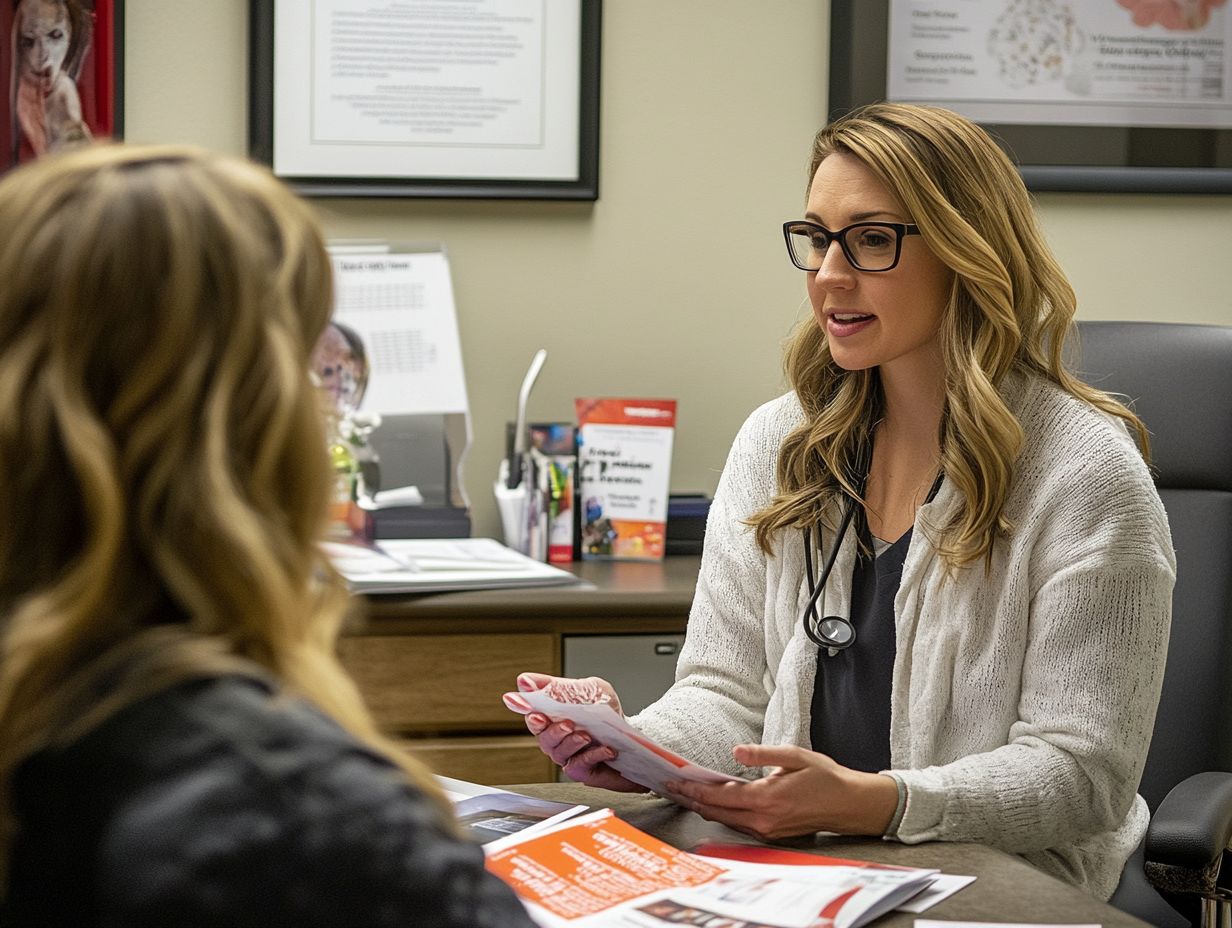
Cancer support services are resources that help individuals with cancer through diagnosis, treatment, and recovery.
These services include emotional support, medical care, financial guidance, and educational programs.
Organizations such as the American Cancer Society and Sarah Cannon Cancer Institute provide these services to help cancer patients manage their health and well-being.
Types of Local Cancer Support Services
Local cancer support services include medical support services, emotional and psychological support services, and financial and practical support services. These services are often staffed by dedicated volunteers and may include specific programs for breast cancer, prostate cancer, and young adult support.
Medical support services provide cancer treatment and health care. Facilities like Harold C. Simmons Comprehensive Cancer Center and Medical City Plano offer advanced options for patient support.
Emotional and psychological support services offer counseling, support groups, and ostomy support through community access to resources, education, and support.
Financial and practical support services assist with costs and provide resources like transportation and accommodation to help relieve financial barriers.
Medical Support Services
Medical support services in cancer care provide patients with essential treatments, follow-up care, and access to specialized consultations and supportive therapies.
Facilities like cancer centers offer personalized treatment plans, advanced imaging technology, clinical trials, and resources like the Cancer Survivors Network to help manage cancer recovery and side effects.
Medical support services enhance treatment quality and offer emotional and psychological support, including through the CSCNT network.
Emotional and Psychological Support Services
Emotional and psychological support services help cancer survivors navigate the emotional challenges of a cancer diagnosis.
These services include:
- one-on-one therapy
- group workshops
- online forums designed to meet different needs
Support services provide safe spaces for survivors to share experiences, express feelings, and gain strength from shared stories.
Participation in these services fosters community, resilience, and overall mental health.
Financial and Practical Support Services
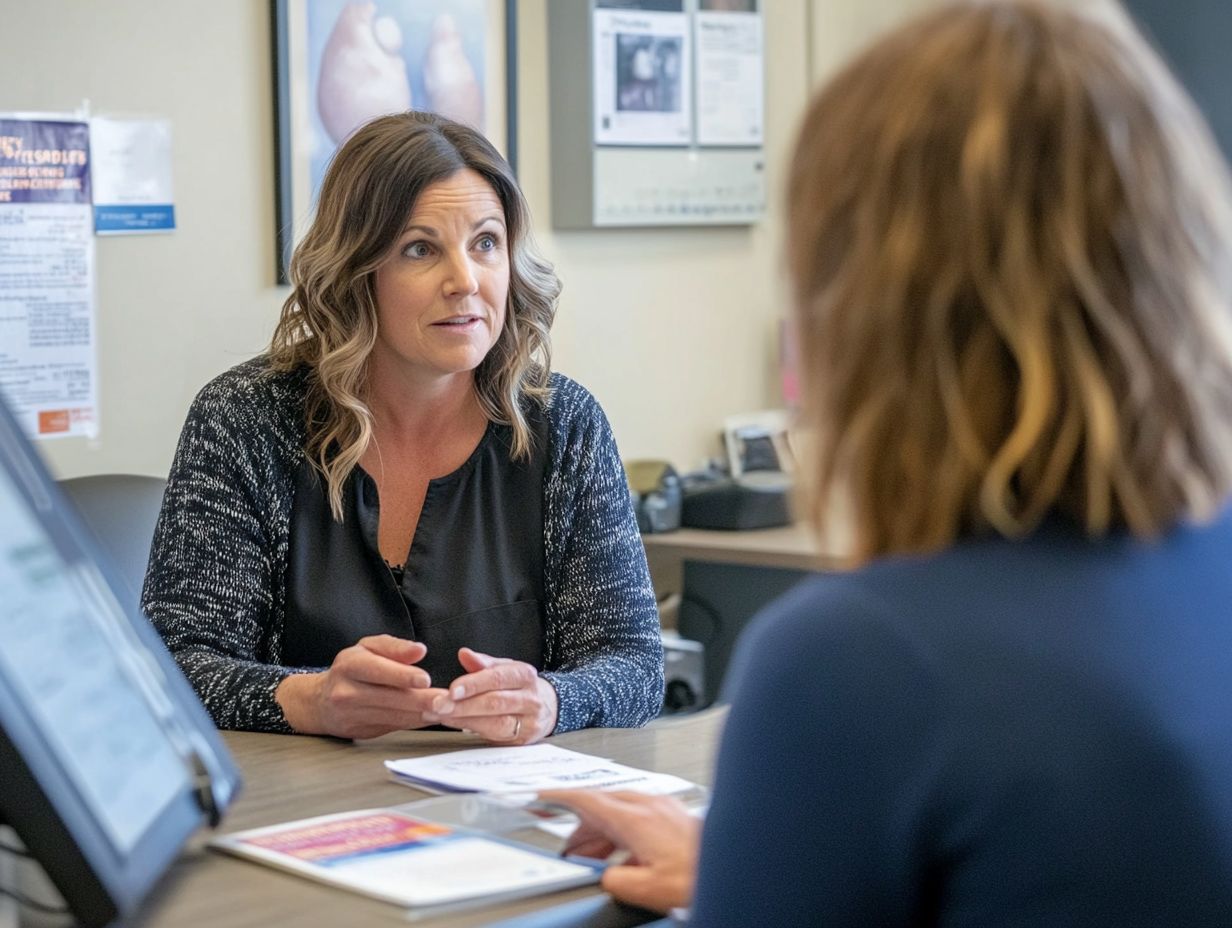
Financial and practical support services help cancer patients by reducing financial barriers related to treatment and care.
These services include transportation assistance, financial counseling, and access to cancer resources.
Support services aim to relieve the stress of medical expenses and ensure patients focus on healing.
How to Find Local Cancer Support Services
To find local cancer support services, visit the American Cancer Society’s database or use the Cancer Support Community’s resources for local listings.
Contact local hospitals and healthcare providers for recommendations on nearby support groups and services.
Explore community organizations and cancer-focused non-profits for additional resources and support.
Online Resources and Databases
Online resources and databases connect cancer patients to support services by providing directories of cancer support options.
Platforms like askSARAH and Cancer Council offer directories for support services, financial aid, and local groups.
These resources also include community forums for peer support and guidance on healthcare systems.
Online platforms give the power to patients by streamlining access to necessary services and building supportive networks.
Asking for Referrals and Recommendations
Asking for referrals and recommendations is an effective way to find reliable cancer support services tailored to individual needs.
Engaging with healthcare professionals, community organizations, and medical facilities provides insights into the best available resources and support systems for cancer patients. Referrals can uncover personalized support options, such as support groups, counseling services, and educational programs, including those offered at institutions like the Sarah Cannon Cancer Institute.
Recommendations from trusted sources give the power to individuals to navigate their healthcare journey with confidence. Utilizing platforms like askSARAH can enhance understanding of options available.
Questions to Ask when Choosing a Cancer Support Service

Questions to Ask When Choosing a Cancer Support Service include:
- What services does the cancer support service provide?
- What are the costs associated with these services?
- Does insurance cover the services offered?
- How experienced is the staff in providing cancer support?
- Are there any patient testimonials or success stories?
- What are the qualifications of the healthcare providers?
Choosing a cancer support service requires asking these questions to ensure alignment with patient needs and budget. Services such as those provided by Medical City Healthcare and CSCNT can help address specific needs.
Assessing the Quality of Services
Assessing the quality of cancer support services involves evaluating professional qualifications, community feedback, and service effectiveness.
Quality assessment focuses on staff credentials, ongoing training, and how well services meet emotional, physical, and informational needs. Evaluating programs from entities like Medical City Plano and the Harold C. Simmons Comprehensive Cancer Center is crucial.
Platforms like Cancer Survivors Network and online forums help gather patient testimonials and real-time feedback to evaluate support services.
Understanding Costs and Insurance Coverage
Understanding costs and insurance coverage in cancer support services involves knowing out-of-pocket expenses, insurance policies, and financial aid options to avoid financial barriers to care.
Patients should ask healthcare providers about treatment costs, covered services, and additional expenses.
Engage with community resources and nonprofit organizations for financial aid to reduce stress. Resources like the Cancer Council and Community Access to Resources, Education, and Support can be valuable.
Frequently Asked Questions
1. How can I find local cancer support services in my area?

To find local cancer support services, you can start by contacting your local hospital or cancer treatment center. They may have a list of support groups or resources available in your community. You can also search online for cancer support organizations in your area or contact the American Cancer Society for assistance.
2. What types of local cancer support services are available?
There are a variety of local cancer support services available, including support groups, counseling services, financial assistance, transportation services, and educational programs. Each service may offer different types of support, so it’s important to research and find the ones that best fit your needs.
3. Are there any free local cancer support services?
Yes, there are often free local cancer support services available. Many organizations offer free support groups, counseling services, and educational programs. Some may also offer financial assistance for cancer patients in need. It’s best to inquire with each specific organization to see what services they offer for free.
4. How can I find local cancer support services for a specific type of cancer?
If you are looking for support services for a specific type of cancer, you can contact organizations that specialize in that type of cancer. You can also ask your healthcare provider for recommendations or search online for support groups specific to your type of cancer, such as prostate cancer or breast cancer.
5. How can I get involved with local cancer support services?
If you are interested in getting involved with local cancer support services, you can reach out to organizations and ask about volunteer opportunities or ways to make donations. You can also participate in fundraising events or join support groups to connect with others and offer support to those in need.
6. Is there a time limit for utilizing local cancer support services?
There is typically no time limit for utilizing local cancer support services. These services are often available for as long as you need them, whether it’s during treatment, after treatment, or as a survivor. It’s important to continue seeking support and resources as needed throughout your cancer journey.