Connecting with other cancer survivors and their families plays a vital role in providing emotional support and practical solutions during and after cancer treatment. These connections offer shared experiences, reduce feelings of isolation, and help manage treatment-related challenges, including side effects and financial worries.
Engaging in cancer support groups—whether online or in-person—can build resilience and create a strong network for coping strategies, fostering a sense of community and strength. These groups also offer a platform to talk about feelings and meet others who understand your journey.
Cancer survivors can explore various avenues to connect with others, including online platforms like CancerCare and the American Cancer Society, or in-person gatherings at local community centers. These support systems offer educational resources, advocacy insights, and a space for shared experiences, all of which are crucial for emotional recovery and empowerment.
Participating in community events further enhances post-treatment support networks, helping survivors build meaningful relationships and navigate their journey together by addressing practical problems and fostering a sense of belonging.
Key Takeaways:
Why Connecting with Other Survivors is Important
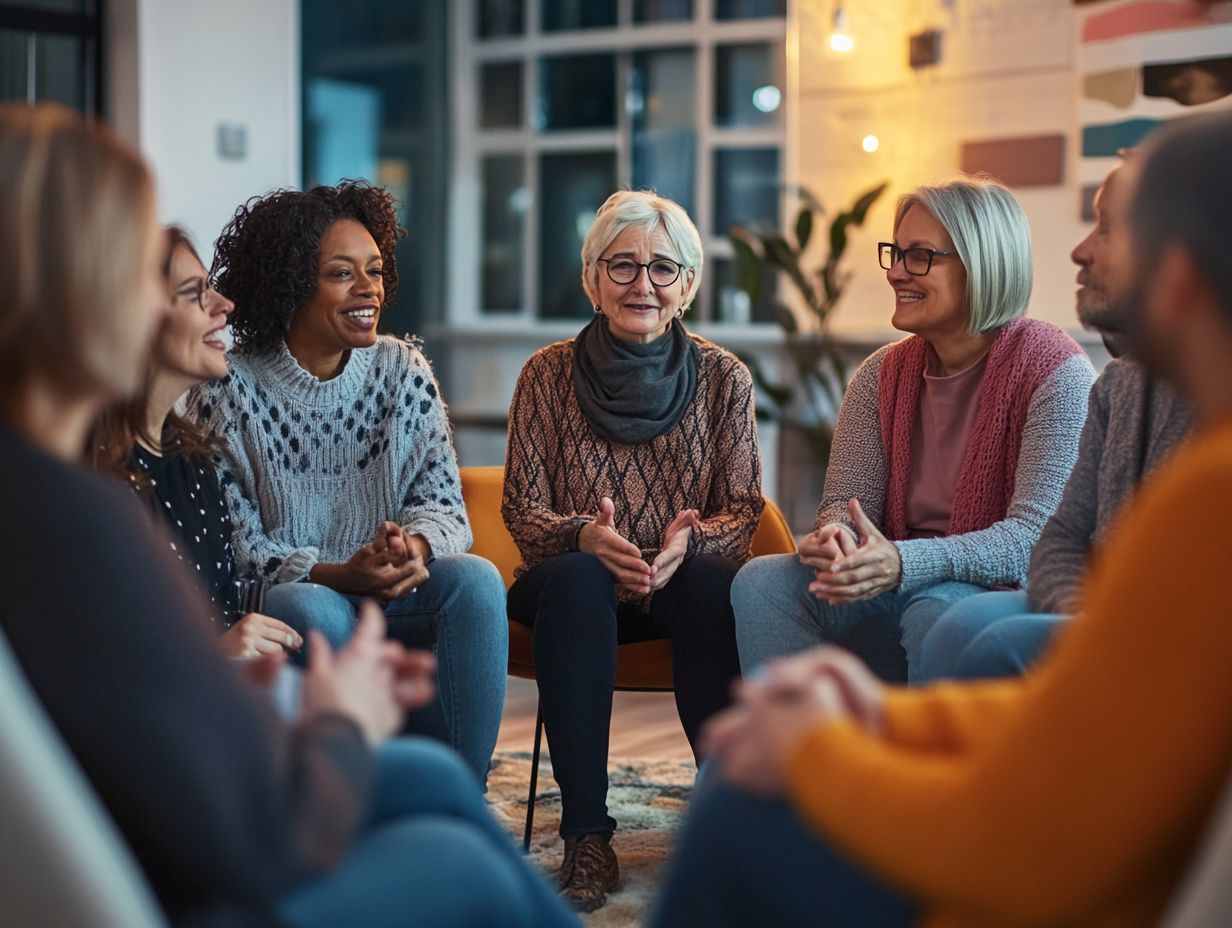
Connecting with other cancer survivors is important for emotional support and practical solutions during and after treatment.
Survivor connections offer shared experiences, reduce isolation, and help manage treatment-related challenges.
Participation in support groups provides resilience and a network for coping strategies.
These relationships foster a sense of community and strength.
Online Support Groups
Online support groups provide cancer patients with a platform to share experiences, seek advice, and receive emotional support from home.
These groups help patients connect with others who understand their journey and enhance their coping strategies during treatment.
Benefits and How to Find Them
Online support groups for cancer patients provide benefits like emotional support, educational resources, and connections with others facing similar challenges.
Benefits include shared experiences, expert knowledge, and access to advocacy insights.
To find them, search directories on sites like CancerCare, American Cancer Society, and Leukemia & Lymphoma Society, focusing on cancer type and treatment stage.
In-Person Support Groups
In-person support groups for cancer patients are gatherings that provide emotional support and community connection through face-to-face meetings.
These support groups take place in local community centers, like the MD Anderson Cancer Center, where participants can share cancer experiences with fellow survivors and their families.
Benefits and How to Find Them
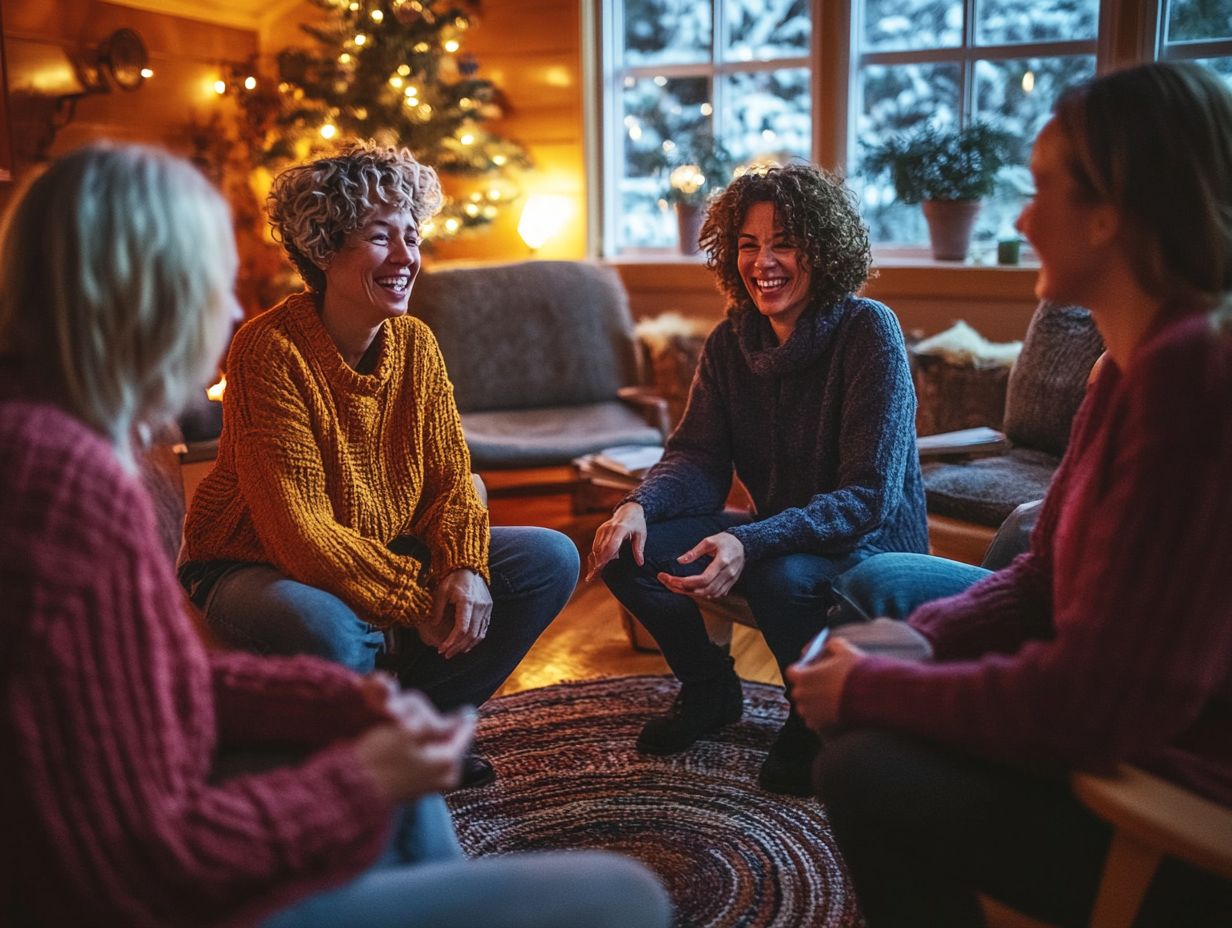
Benefits of in-person support groups for cancer survivors include social interaction, emotional support, and advocacy.
These groups help survivors share experiences, reduce isolation, and navigate treatment challenges.
To find support groups, contact local cancer centers or community health organizations.
Local Events and Activities for Cancer Support
Local events and activities are community-based gatherings and programs designed to connect individuals, offering social interaction and shared experiences, as well as education support.
For cancer survivors, these activities provide a platform to build support networks and foster friendships.
Community centers often host these events, enhancing survivors’ post-treatment support systems.
Connecting with Survivors in Your Community
Connecting with cancer survivors in your community enhances emotional support by sharing experiences.
Local support groups and events provide a platform for discussing journeys and addressing treatment-related challenges.
Engaging in community gatherings helps find coping strategies and local resources, reducing isolation and fostering a sense of belonging.
These connections give the power to individuals to face recovery challenges together.
Tips for Building Meaningful Connections
Building meaningful connections with cancer survivors involves sharing experiences, listening actively, and showing empathy.
Join patient support groups or caretaker programs to find common ground.
Communicate openly to foster trust and understanding.
Establish boundaries to ensure healthy relationships.
Celebrate milestones together to strengthen bonds.
Communication and Boundaries
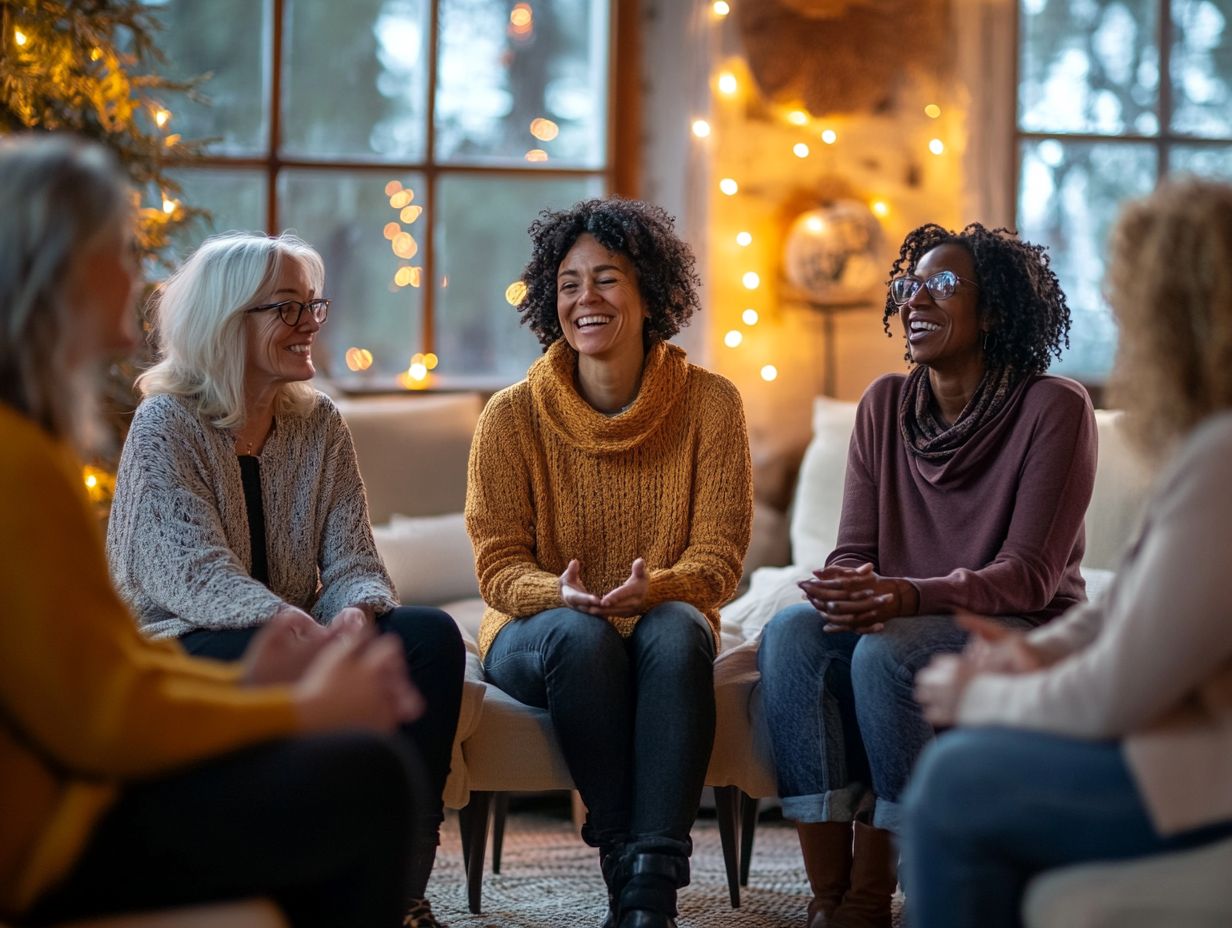
Effective communication in cancer support groups ensures emotional support by enabling participants to share experiences and foster connections.
Establishing boundaries in these groups provides safety and respect, allowing open expression of feelings and challenges.
Groups should implement confidentiality and respect rules to facilitate non-judgmental sharing and meaningful dialogue.
Supporting Each Other Through the Journey
Supporting each other during the cancer journey involves sharing experiences, providing emotional support, and fostering community among survivors.
Support systems like group meetings, online forums, and one-on-one conversations help individuals feel understood and resilient.
Active listening and sharing personal stories are crucial in lightening emotional burdens and inspiring hope.
Frequently Asked Questions
1. How can I connect with other cancer survivors?
You can connect with other cancer survivors through support groups, online forums and communities, cancer-related events, and through mutual acquaintances.
2. Are there support groups specifically for cancer survivors?
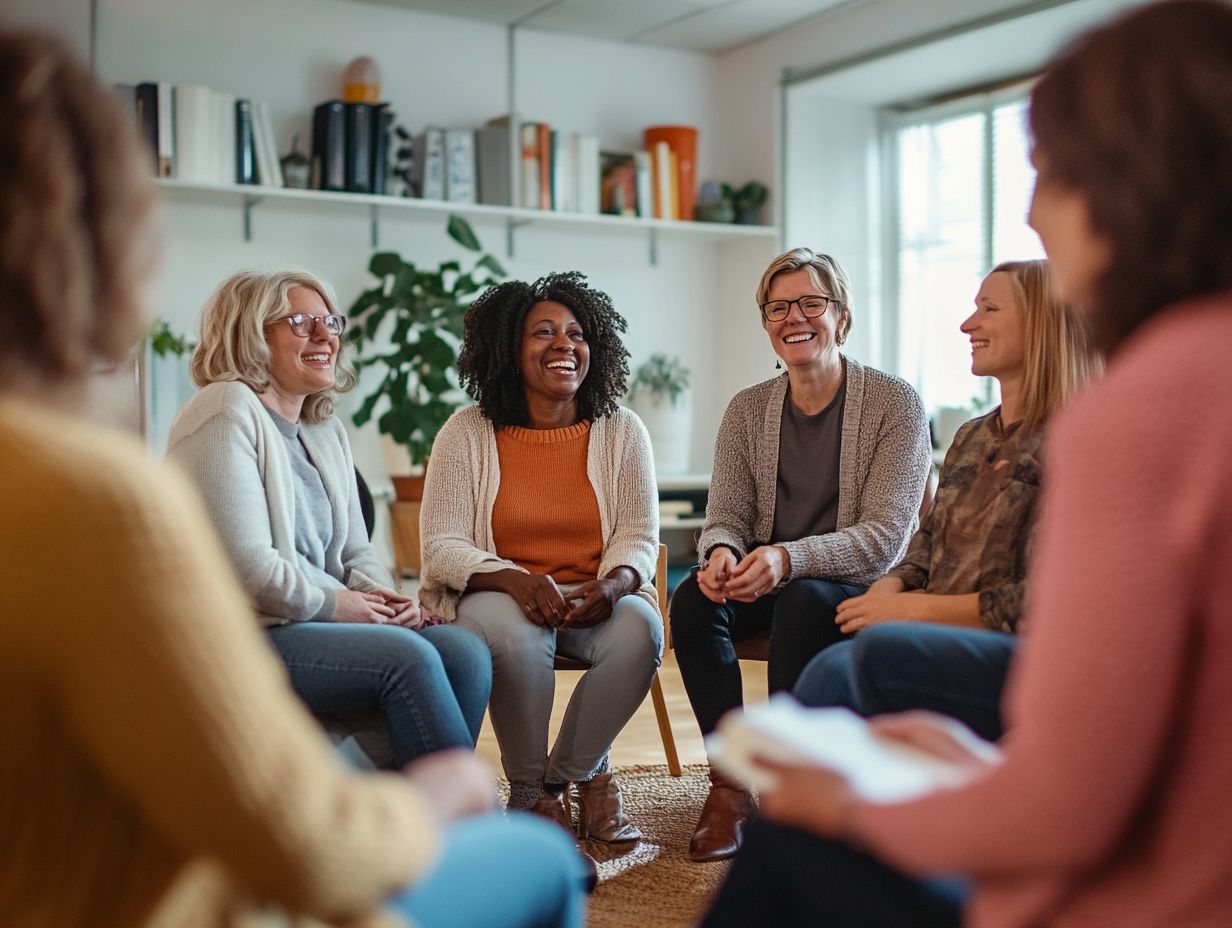
Yes, there are many support groups specifically for cancer survivors, both in-person and online. These can be found through hospitals, cancer centers, and organizations such as the American Cancer Society, Livestrong, or by asking your hospital for recommendations.
3. How can I find online forums and communities for cancer survivors?
You can search for online forums and communities for cancer survivors by using keywords such as “cancer survivor forum,” “cancer support group,” or “young adults with cancer” on search engines or social media platforms. You can also ask your healthcare provider or reach out to cancer organizations for recommendations.
4. Can I attend cancer-related events to connect with other survivors?
Yes, attending cancer-related events, such as those organized by the Patti Robinson Kaufmann First Connection Program, can be a great way to connect with other cancer survivors. These events often have designated areas or activities for survivors to meet and connect with each other.
5. Is it helpful to connect with other cancer survivors?
Many cancer survivors find it extremely helpful to connect with others who have gone through a similar experience. It can provide emotional support, shared understanding, and practical advice, including advice on dealing with practical problems and side effects.
6. Can I connect with other cancer survivors through social media?
Yes, social media can be a great way to connect with other cancer survivors. You can join Facebook groups, follow hashtags on Instagram or Twitter, and connect with other survivors through various cancer-related pages and accounts such as EverYou.