Clinical trials might offer you access to cutting-edge therapies that are not yet widely available, while also helping advance cancer research for future patients. By joining a clinical trial, you partner with a dedicated healthcare team to explore new treatments tailored to your specific cancer type and personal health. This guide takes you step-by-step through what clinical trials involve, how to find the right one for your needs, and what to consider before participating—helping you make informed decisions with confidence and hope.
Why Clinical Trials Matter in Cancer Treatment

Clinical trials are essential for advancing cancer care. They test promising new treatments—from targeted drugs to immunotherapies—that can improve diagnosis, management, and outcomes. These studies involve a close partnership between patients, healthcare professionals, pharmaceutical companies, and research institutions. For you, participating means early access to innovative therapies unavailable outside the trial setting and a chance to contribute to medical breakthroughs that may benefit others.
Finding the Right Clinical Trial for You
If you want to explore clinical trials, the first step is finding studies matched to your cancer type, stage, and personal health profile. Reliable online databases like ClinicalTrials.gov from the National Library of Medicine, the National Cancer Institute’s Clinical Trials page, or the NIH Clinical Center give up-to-date information on ongoing trials. You can filter by cancer type, treatment approach, location, and eligibility criteria.
Besides your own research, discussing options with your oncologist or a clinical trial coordinator can help you understand which trials might suit you best. These professionals can explain the potential benefits, risks, and requirements, making the complex process easier to navigate.
Online Databases and Resources
These trustworthy online databases provide comprehensive information and allow filtering by cancer type, location, and trial specifics to help find suitable studies.
Consulting with Healthcare Professionals
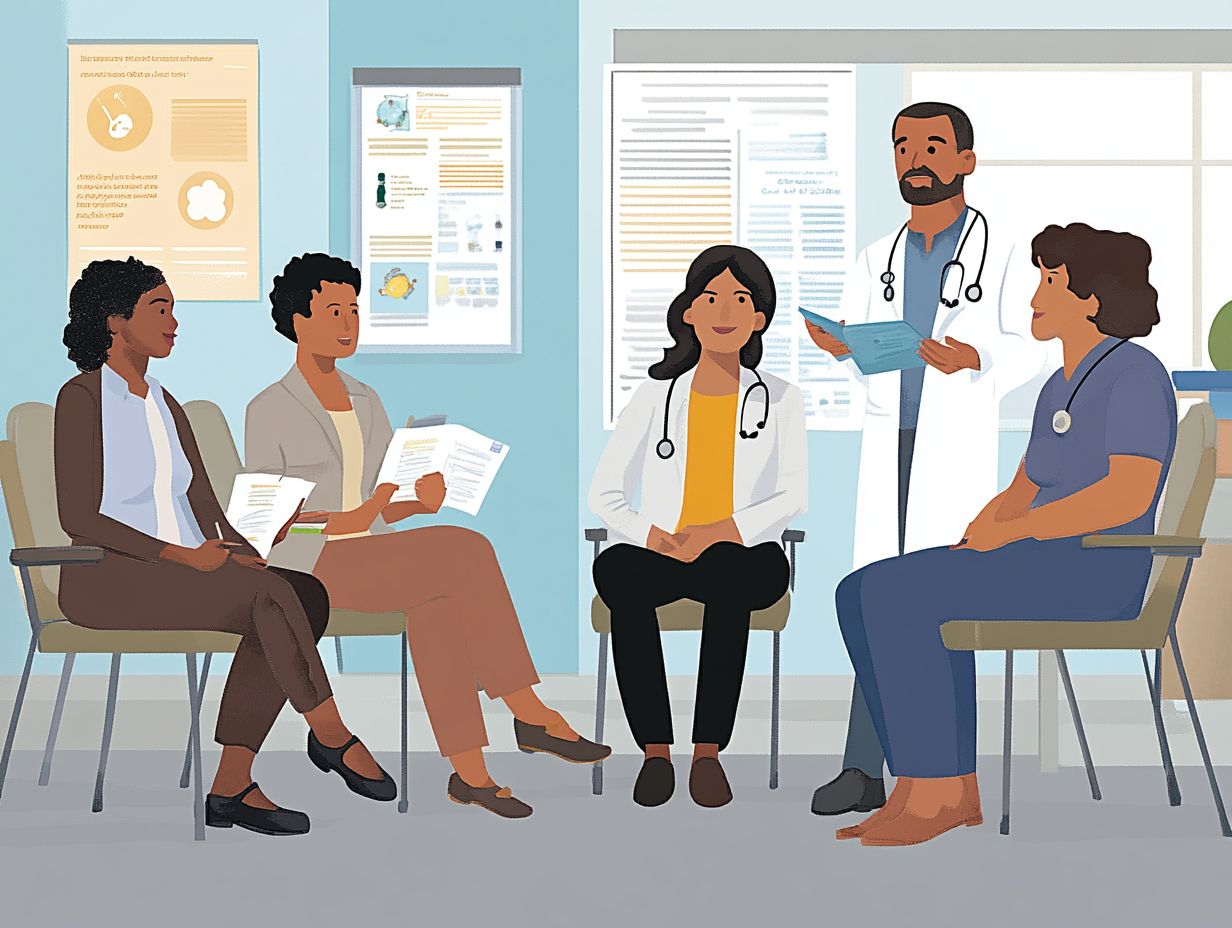
Consulting with healthcare professionals, such as your doctor, clinical trial team, or trial coordinator, is crucial for determining suitable cancer clinical trials. They provide insights on the benefits, risks, and eligibility criteria to help you make informed decisions about participation.
Understanding Eligibility: Who Can Join?
Each clinical trial has specific rules called eligibility criteria, designed to protect your safety and ensure the study’s scientific validity. These criteria consider factors such as your age, cancer type and stage, previous treatments, and overall health. Some trials also have exclusion criteria to prevent participation by those with conditions that could interfere with results or increase risk.
For example, a trial testing a new therapy for breast cancer might include only patients with that diagnosis and exclude those with other serious illnesses. It’s important to review these criteria carefully with your healthcare team to see if you qualify.
What to Expect When Participating in a Clinical Trial
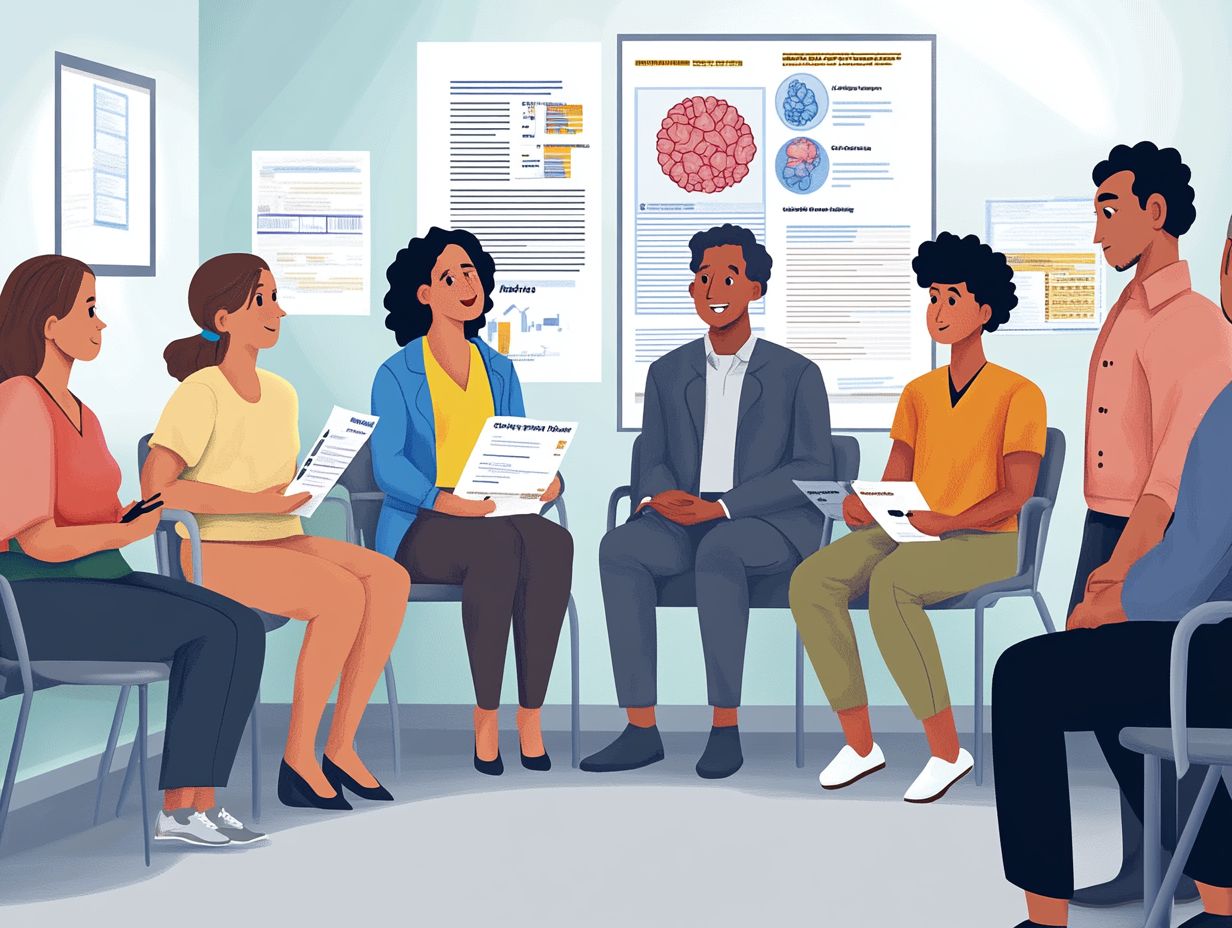
Joining a trial usually starts with a thorough screening process to confirm eligibility. After that, you will receive detailed information about the trial—this is where informed consent comes in. You’ll learn about the treatment, what’s expected of you, possible side effects, and your rights as a participant. Only then, if you agree, will you enroll in the study.
During the trial, the research team will closely monitor your health and treatment responses through regular visits and tests. After treatment, follow-up assessments help track long-term effects and contribute valuable data to the research.
-
Screening to confirm participant eligibility based on study criteria.
-
Informed consent providing comprehensive details about the trial and requiring participant agreement.
-
Treatment administration while monitoring health and side effects.
-
Follow-up assessments to evaluate long-term health and gather trial outcome data.
Balancing Benefits and Risks
Taking part in a clinical trial offers unique benefits: access to new treatments, expert medical monitoring, and the opportunity to contribute to advancing cancer care. However, there may be risks like side effects, treatments that don’t work as hoped, or time commitments for appointments and tests.
What to Consider Before Joining a Trial
Before deciding, reflect on your personal health, treatment goals, and the specifics of the trial. Discuss these with your healthcare providers to align the decision with what’s best for you.
Next Steps and Support
If considering a clinical trial sounds right for you, start by talking openly with your oncologist. They can guide you to resources and connect you with trial coordinators. Reliable websites like the National Cancer Institute and Mayo Clinic’s Clinical Trials overview provide trusted information to help you learn more.
Remember, choosing to participate is deeply personal. Having clear information and professional support empowers you to take an active role in your treatment journey.
Frequently Asked Questions
What exactly are clinical trials, and how can they help my cancer treatment?
Clinical trials are carefully designed research studies that test new cancer treatments on volunteers to determine their safety and effectiveness. By participating, you may gain access to advanced therapies not yet widely available, potentially offering improved outcomes compared to standard care. Learn more from the National Cancer Institute.
How do I find clinical trials suited for my specific cancer?
You can search databases like ClinicalTrials.gov and consult your healthcare team. Doctors or clinical trial coordinators can identify studies matching your cancer type, stage, and personal health, helping you navigate the options and logistics.
What determines if I’m eligible to join a clinical trial?
Eligibility depends on the trial’s inclusion and exclusion criteria, which consider factors like your cancer diagnosis, age, overall health, and prior treatments. These criteria are in place to ensure safety and reliable study results. Always review these carefully with your medical team.
Are there risks when participating in a cancer clinical trial?
While clinical trials follow strict safety standards and monitoring, risks can include side effects from new treatments, potential ineffectiveness, or extra time and travel. Your care team will inform you of these risks so you can make an informed choice.
Will I have to pay to join a clinical trial?
Most cancer clinical trials are funded by government agencies, research institutions, or pharmaceutical companies and cover treatment costs. However, you might need to pay for related expenses like travel or lodging. Discuss financial considerations with the trial staff ahead of time.
Want to learn more about clinical trials and cancer treatments?
Trusted sources include the Cancer Information Service, Mayo Clinic’s Cancer Center, and educational videos from Cancer Research UK’s YouTube channel. Exploring these resources can give you confidence and support as you consider all your cancer treatment options.