Accessing cancer care resources is essential for cancer patients and their families to navigate the complex journey of cancer treatment, financial assistance, and emotional support. These resources, available from government agencies, hospitals, universities, and non-profit organizations, provide reliable sources of health information and support services to ease the burden of medical expenses and the emotional challenges of a cancer diagnosis.
Cancer patients can find a variety of cancer resources, including:
- Healthcare services, including dental care
- Online health information from credible sources
- Community programs
- Medical journals
- Social connections through online forums
By utilizing reputable sources such as the National Institutes of Health and verified medical libraries, patients can access accurate health information online and other online resources for their cancer diagnosis and treatment.
Financial assistance programs from government agencies and non-profits like the American Cancer Society, as well as emotional and social support services, play crucial roles in ensuring comprehensive care. Additionally, exploring alternative and complementary therapies can help manage symptoms and improve overall well-being.
Understanding and accessing these diverse resources empowers cancer patients to make informed decisions and find the necessary support throughout their treatment journey.
Key Takeaways:
Understanding Cancer Care Resources
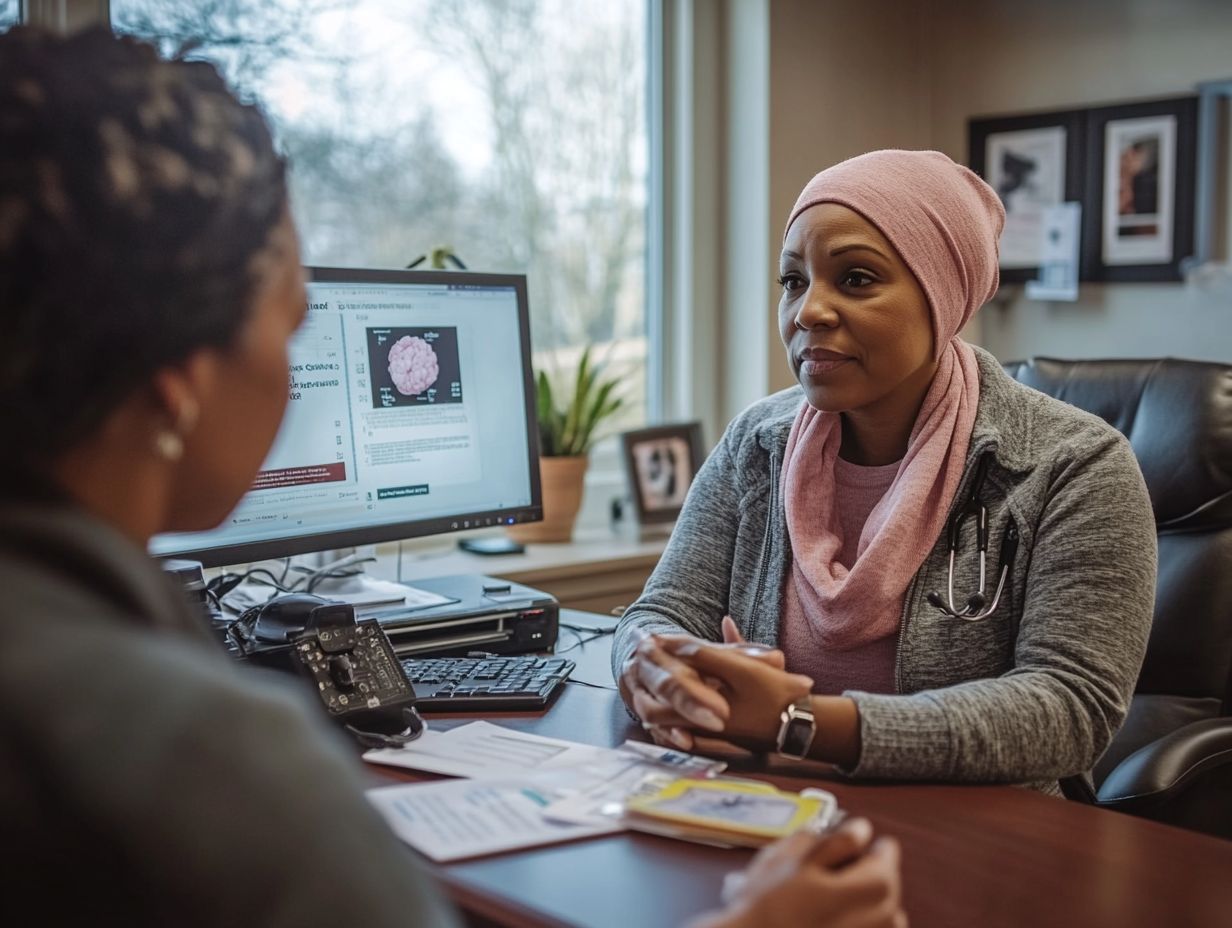
Cancer care resources include information and support services that help cancer patients and families navigate treatment options, financial aid, and emotional support.
Resources are available from government agencies, hospitals, universities, and non-profit organizations, providing reliable information for well-considered choices.
Accessing these resources eases the burden of healthcare costs and emotional challenges during cancer treatment.
Types of Resources Available
Types of cancer resources for patients include:
- Healthcare services, which offer medical support.
- Online health information from websites like MedlinePlus that provides educational content.
- Community programs that provide transportation, food assistance, and emotional support.
- Medical journals like PubMed that offer peer-reviewed studies.
- Online forums that provide social connections and shared experiences.
Finding Cancer Care Resources
Finding cancer care resources involves using reputable sources such as the National Institutes of Health, American Medical Association, and government health websites.
Cancer patients can access reliable information and support for diagnosis and treatment by consulting healthcare providers and verified medical libraries.
Researching and Accessing Resources
Researching and accessing cancer care resources involves using online databases, clinical trials, and cancer support groups to guide cancer patients through cancer treatment.
Cancer patients can explore ClinicalTrials.gov for clinical trials and Cancer.gov for evidence-based information.
Non-profit organizations like the Leukemia & Lymphoma Society offer financial support. Local cancer centers provide resources for trial matching and financial assistance, including transportation assistance and food assistance.
Understanding healthcare costs and available financial programs helps patients make informed decisions about cancer treatment.
Financial Assistance for Cancer Care

Financial assistance for cancer care includes programs from government agencies and non-profits to help with treatment costs.
Key resources include the Cancer Financial Assistance Coalition and government programs like Medicaid.
These resources aim to reduce the financial burden on patients and ensure access to necessary treatments.
Options for Financial Support
Options for financial support in cancer care include assistance programs for transportation, food, and living expenses.
Organizations and community resources provide financial aid for cancer patients to help manage medical costs and daily living expenses.
Programs such as transportation assistance reduce travel burdens, and food assistance ensures proper nutrition during treatment.
National charities and local non-profits offer financial support and create a supportive community for cancer patients.
Emotional and Social Support
Emotional and social support in cancer care involves providing mental and communal resources to help patients manage psychological effects of a cancer diagnosis and treatment.
Support includes access to counseling services and support groups where patients can share experiences and coping strategies.
Healthcare providers connect patients with these resources to ensure comprehensive care.
Support Groups and Counseling Services
Support groups and counseling services provide emotional support for cancer patients by facilitating discussions about feelings, fears, and coping mechanisms. Additionally, healthcare providers and patient navigators can assist in connecting patients with these resources.
Healthcare providers can help identify suitable support groups and counseling services tailored to individual patient needs.
These resources improve mental health by reducing isolation and enhancing coping skills.
Alternative and Complementary Therapies

Alternative and complementary therapies are non-traditional treatments used alongside conventional medical treatments to support cancer care. Trusted sources like the National Center for Complementary and Integrative Health provide guidance on these therapies.
Examples include:
- Acupuncture
- Meditation
- Herbal supplements with expert credentials
These therapies aim to improve well-being, provide emotional support, and alleviate treatment-related side effects.
Exploring Non-Traditional Treatment Options
Non-traditional treatment options for cancer include alternative therapies like acupuncture, yoga, and herbal remedies.
These options are explored to complement standard cancer treatments by addressing symptoms such as pain, fatigue, and stress.
Complementary therapies aim to improve emotional well-being and may support immune function.
Patients should coordinate non-traditional treatments with healthcare providers to ensure safety and avoid interactions.
Frequently Asked Questions
What are the different types of cancer care resources available?
There are various types of cancer care resources, including support groups, financial assistance programs, educational materials, and access to healthcare professionals.
How can I find cancer care resources in my local area?

You can start by contacting your local American Cancer Society chapter, which can provide information on resources in your community. You can also reach out to your healthcare provider or search online for cancer care organizations in your area. Make sure to verify the information with trustworthy websites or healthcare providers.
Do I need to have health insurance to access cancer care resources?
No, there are many resources available for individuals without health insurance. Some programs offer free resources or discounted services, while others may provide financial assistance for those in need, such as through Medicaid or Social Security Disability Insurance.
What types of support can I receive from cancer care resources?
Cancer care resources can offer emotional support, financial assistance, education on treatment options, and access to healthcare professionals who specialize in cancer care. They may also provide resources for caregivers and family members.
Are there resources specifically for certain types of cancer?
Yes, there are resources available for specific types of cancer, such as breast cancer, lung cancer, or prostate cancer. These resources may offer tailored support and information for those diagnosed with a specific type of cancer.
How can I access cancer care resources if I am unable to leave my home?
Many cancer care resources offer virtual support and services, such as online support groups, telemedicine appointments, and educational webinars. You can also contact the organizations directly to inquire about their available resources for individuals who cannot leave their home. Trusted sources include social media sites with verified information and online material from reputable health news platforms.