Cancer diagnosis is a critical process that involves identifying the type and presence of cancer using a variety of diagnostic tests. This comprehensive step-by-step guide outlines the phases of diagnosing cancer, from initial screenings and symptom screening to advanced genetic testing. Accurate diagnosis is crucial for effective cancer treatment planning and patient care.
The process begins with medical history evaluation and physical examinations to identify potential risk factors and cancer symptoms. Next, healthcare providers utilize imaging tests such as X-rays, MRIs, and CT scans to detect tumors and abnormalities. Laboratory tests follow to identify cancer markers, including tumor markers and a complete blood count, and a biopsy may be performed to analyze suspicious tissue under a microscope, with biopsy results guiding further analysis.
This methodical approach ensures that each step is essential for determining cancer stages and guiding personalized treatment options. Understanding these diagnostic phases empowers patients, aiding in informed decision-making and better communication with healthcare professionals. Access to a patient portal can enhance communication and provide easy access to test results.
Key Takeaways:
Understanding Cancer Diagnosis

Cancer diagnosis involves identifying the type and presence of cancer through diagnostic tests, including imaging tests like CT scan, MRI, and laboratory tests like blood tests.
Healthcare providers perform screenings and assessments to determine cancer stages and guide treatment options.
Accurate cancer diagnosis is essential for effective treatment planning.
What is Cancer and How is it Diagnosed?
Cancer is a disease characterized by uncontrolled cell growth.
Cancer diagnosis involves identifying symptoms and conducting diagnostic tests such as imaging (X-rays, MRIs) and laboratory tests (blood work, biopsies).
These tests confirm cancer presence and determine its type and stage.
Step-by-Step Guide to Cancer Diagnosis
The step-by-step guide to cancer diagnosis involves the following phases:
- Medical History Evaluation: Health professionals review the patient’s medical history and symptoms.
- Physical Examination: A physical exam is conducted to check for lumps or abnormalities.
- Imaging Tests: Tests like X-rays, CT scans, or MRIs are performed to detect tumors or abnormalities.
- Laboratory Tests: Blood, urine, or other lab tests are conducted to identify cancer markers.
- Biopsy: A sample of suspicious tissue is extracted and examined under a microscope to confirm cancer.
- Genetic Testing: Tests may be done to identify specific genetic mutations associated with cancer.
Each step in the cancer diagnosis is essential for accurate detection and effective treatment planning.
1. Initial Screening and Assessment
Initial screening and assessment for cancer involve a physical exam, discussion of symptoms, and medical history evaluation to identify risk factors and indicators.
Screening may include blood tests, imaging scans, and biopsies to detect cancer early and guide treatment decisions.
2. Diagnostic Tests and Imaging
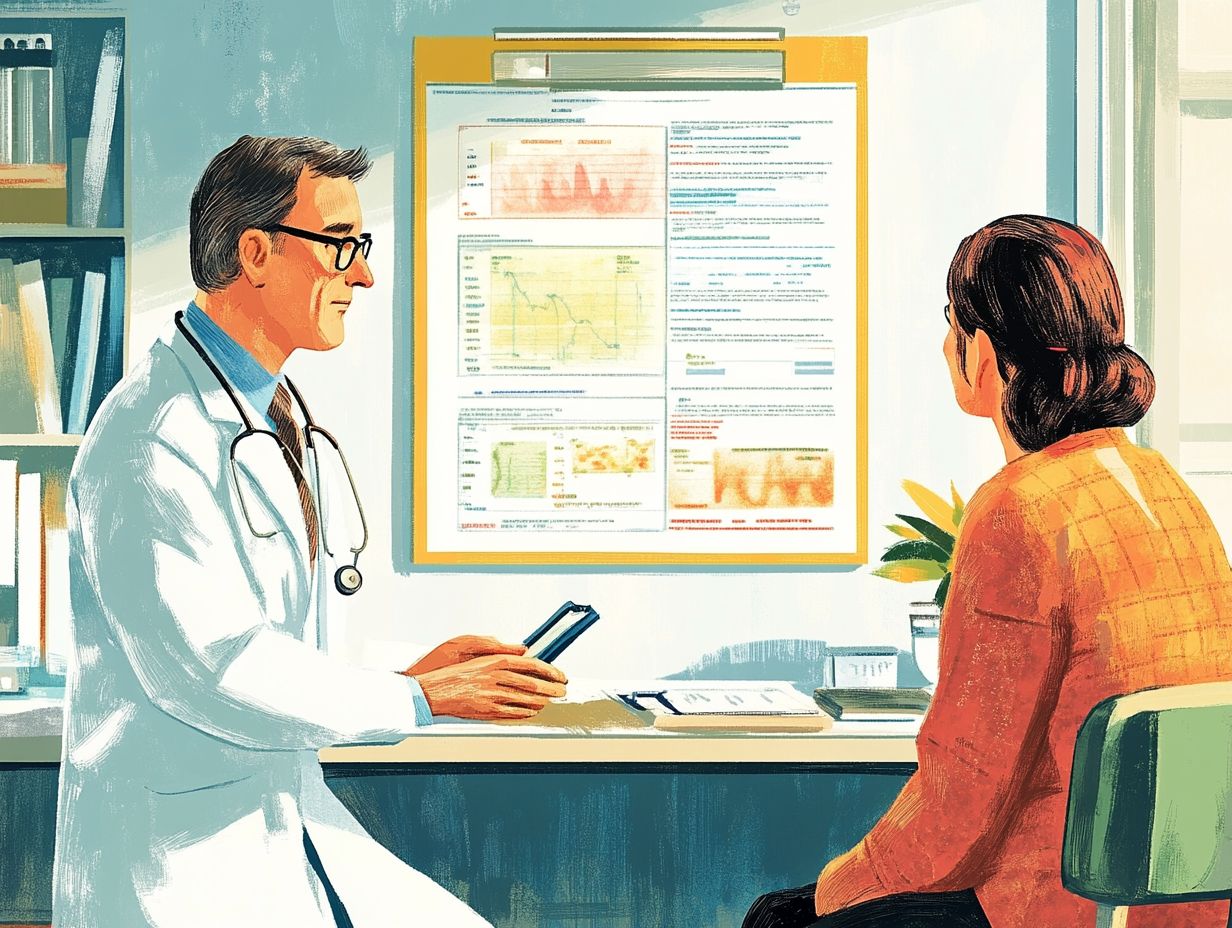
Diagnostic tests and imaging identify cancer and assess tumor characteristics using techniques like CT scans, MRIs, and PET scans.
These methods visualize abnormalities, evaluate tumor size and location, and detect potential metastasis.
Lab tests, including blood tests and biopsies, identify cancer biomarkers and confirm malignancy.
Interpreting these results guides treatment planning.
3. Biopsy and Tissue Analysis
Biopsy and tissue analysis are used in cancer diagnosis to examine tissue samples for cancer cells and determine the specific type of cancer.
Biopsy techniques include:
- needle biopsies
- endoscopic biopsies
- surgical excisions
These techniques provide samples for pathologists to analyze.
Tissue analysis methods like immunophenotyping and cytogenetic analysis identify tumor characteristics and biomarkers, guiding treatment decisions.
Types of Cancer Diagnostics
Types of cancer diagnostics include:
- Imaging tests, such as MRI, CT scans, and X-rays, which provide visual information about tumors.
- Biopsy procedures, including needle biopsy and surgical biopsy, which involve extracting tissue samples for analysis.
- Laboratory tests that measure tumor markers in blood or urine.
- Endoscopic exams, like colonoscopy, which use a scope to view internal organs.
- Genetic testing that identifies mutations associated with cancer.
Common Techniques and Procedures
Common techniques and procedures used in cancer diagnostics include diagnostic procedures such as:
- Tumor marker tests
- Lab tests
- Imaging tests
Tumor marker tests measure substances produced by cancer cells to monitor cancer and evaluate substance levels, aiding in diagnosis accuracy.
Lab tests, including complete blood count and blood chemistry test, analyze blood and urine for abnormalities indicating cancer.
Imaging tests like CT scans, MRIs, and PET scans create detailed images to visualize tumors.
These techniques help healthcare providers diagnose and treat cancer.
Interpreting and Communicating Results

Interpreting and communicating test results involves explaining complex medical data in simple terms to guide cancer treatment and patient support. This includes managing anxiety by ensuring patients are informed about their personal health and the implications of their diagnosis.
This process ensures that patients understand their diagnosis and the implications for treatment decisions, supporting overall health monitoring.
Understanding Medical Terminology and Next Steps
Understanding medical terminology helps patients navigate their cancer diagnosis and treatment plan. Familiarity with terms like staging, chemotherapy, immunotherapy, and radiation therapy allows patients to discuss treatment options and ask informed questions. This understanding reduces anxiety and improves communication with healthcare providers, including hematologists and oncologists.
Access to support groups, resources, and information from organizations like the American Cancer Society and National Cancer Institute enhances understanding and provides community support.
Frequently Asked Questions
What is the first step in diagnosing cancer?
The first step in diagnosing cancer is usually a physical exam and medical history review by a doctor. They will also ask about any symptoms you may be experiencing.
What is a biopsy and why is it important in cancer diagnosis?

A biopsy is a procedure where a small sample of tissue is taken from the suspicious area and examined under a microscope. This is important because it allows doctors to determine if the tissue is cancerous and what type of cancer it is.
What imaging tests are commonly used in cancer diagnosis?
X-rays, CT scans, MRIs, and PET scans are commonly used imaging tests to help detect tumors and determine their size and location.
Why do doctors often order blood tests in the cancer diagnosis process?
Blood tests can provide important information about the body’s overall health and can also help identify specific markers that may indicate the presence of cancer.
What is a cancer staging and why is it important?
Cancer staging is a way to describe the extent and spread of cancer in the body. It is important because it helps doctors determine the best course of treatment and predict a patient’s prognosis.
What happens after a cancer diagnosis is confirmed?
After a cancer diagnosis is confirmed, the doctor will discuss treatment options with the patient and create a personalized treatment plan based on the type and stage of cancer.