Radiation therapy, also known as radiotherapy, is a critical cancer treatment that uses high-energy beams, such as X-rays and proton radiation, to target and destroy cancer cells. It is designed to damage the genetic material of cancer cells, preventing their growth and division, while minimizing impact on healthy tissues. This therapy is often used in conjunction with other therapeutic procedures like surgery, chemotherapy, or immunotherapy to enhance treatment success.
There are two main types of radiation therapy: external beam radiation therapy and internal radiation (brachytherapy):
- External beam radiation therapy, which directs high-energy beams from outside the body to target tumors precisely.
- Internal radiation therapy (brachytherapy), which places radioactive material near the tumor.
Each type offers unique benefits, with external beam therapy providing precise tumor targeting, and brachytherapy minimizing exposure to healthy tissues and often performed as outpatient treatment.
Radiation oncologists use advanced imaging tests for treatment planning and delivery, tailoring the approach to meet individual patient needs. While effective, radiation therapy can cause side effects such as fatigue and skin irritation, making patient preparation and side effect management crucial components of the treatment process.
Key Takeaways:
Overview of Radiation Therapy
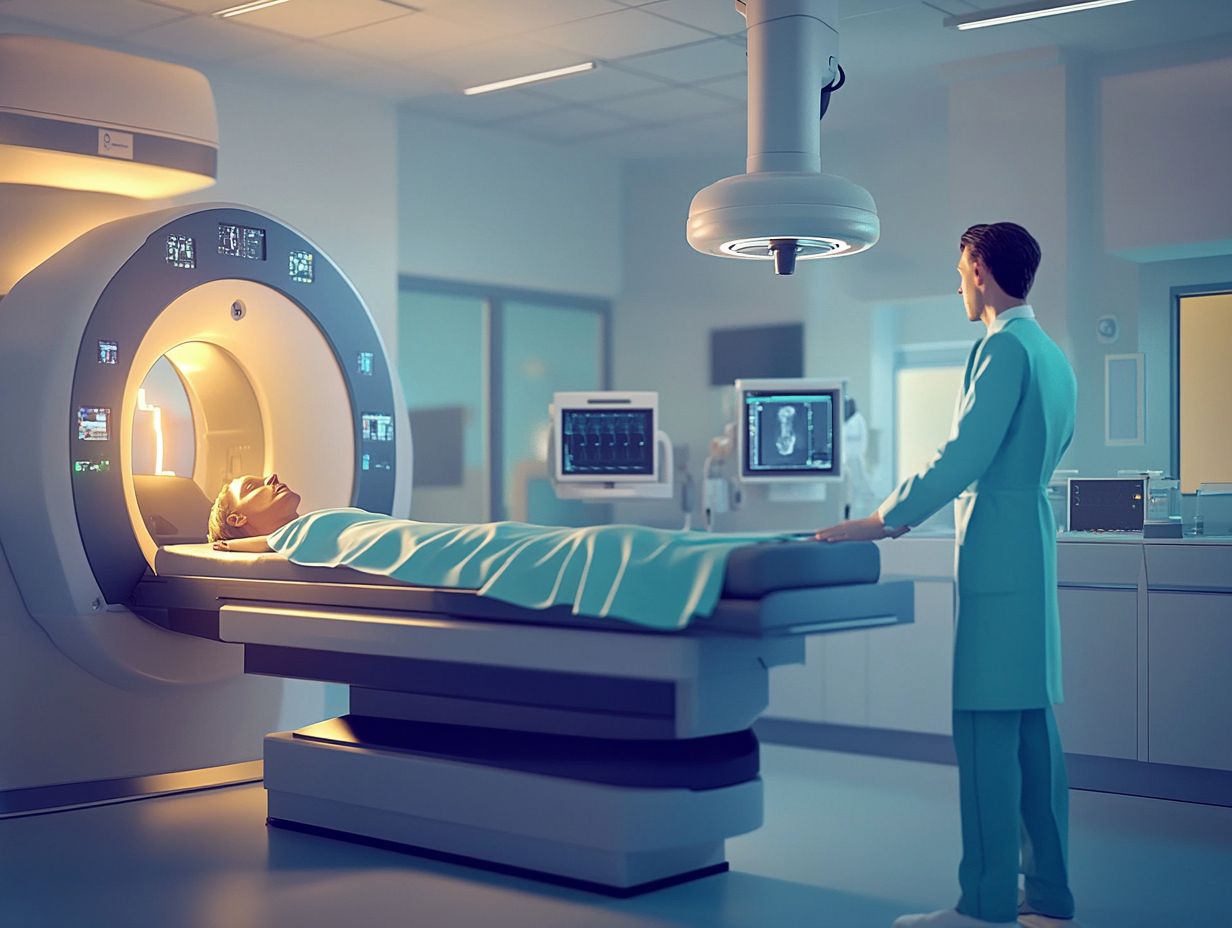
Radiation therapy is a cancer treatment that uses high-energy radiation to kill cancer cells.
Types of radiation therapy include:
- External beam radiation therapy
- Brachytherapy
Radiation oncologists use imaging tests to plan and deliver precise doses to minimize damage to healthy tissue.
What is Radiation Therapy?
Radiation therapy, or radiotherapy, is a medical treatment that uses high-energy radiation to kill or damage cancer cells.
Radiation therapy works by targeting the DNA of cancer cells, preventing them from reproducing and causing cell death.
Types of radiation therapy include:
- External beam radiation, which directs high-energy beams from outside the body to target and treat tumors.
- Brachytherapy, where radioactive material is placed directly inside or near the tumor for effective targeting.
Radiation therapy can be combined with surgery, chemotherapy, or immunotherapy to improve treatment success, addressing various cancer symptoms and enhancing therapeutic outcomes.
Types of Radiation Therapy
Radiation therapy includes two main types: external beam radiation therapy and internal radiation therapy (brachytherapy).
External beam radiation therapy uses high-energy beams, including X-rays and proton radiation, directed at the tumor from outside the body.
Internal radiation therapy (brachytherapy) places radioactive material directly inside or near the tumor.
External Beam Radiation Therapy and Hypofractionated Therapy
External beam radiation therapy is a cancer treatment that uses high-energy beams directed at a tumor from outside the body to kill cancer cells.
The therapy employs advanced technologies for precise targeting to protect surrounding healthy tissue.
Treatment sessions typically occur five days a week for several weeks, based on a personalized plan from healthcare providers to minimize side effects and optimize effectiveness, including hypofractionated therapy in some cases.
Internal Radiation Therapy
Internal radiation therapy, or brachytherapy, involves placing radioactive sources inside or near tumors to deliver a high radiation dose directly to cancerous areas.
Brachytherapy targets tumors precisely, minimizing exposure to surrounding healthy tissues, and is effective for cancers such as prostate, cervical, and breast cancer.
Brachytherapy often results in fewer side effects and is usually performed as an outpatient treatment, making it convenient for patients.
How Radiation Therapy Works
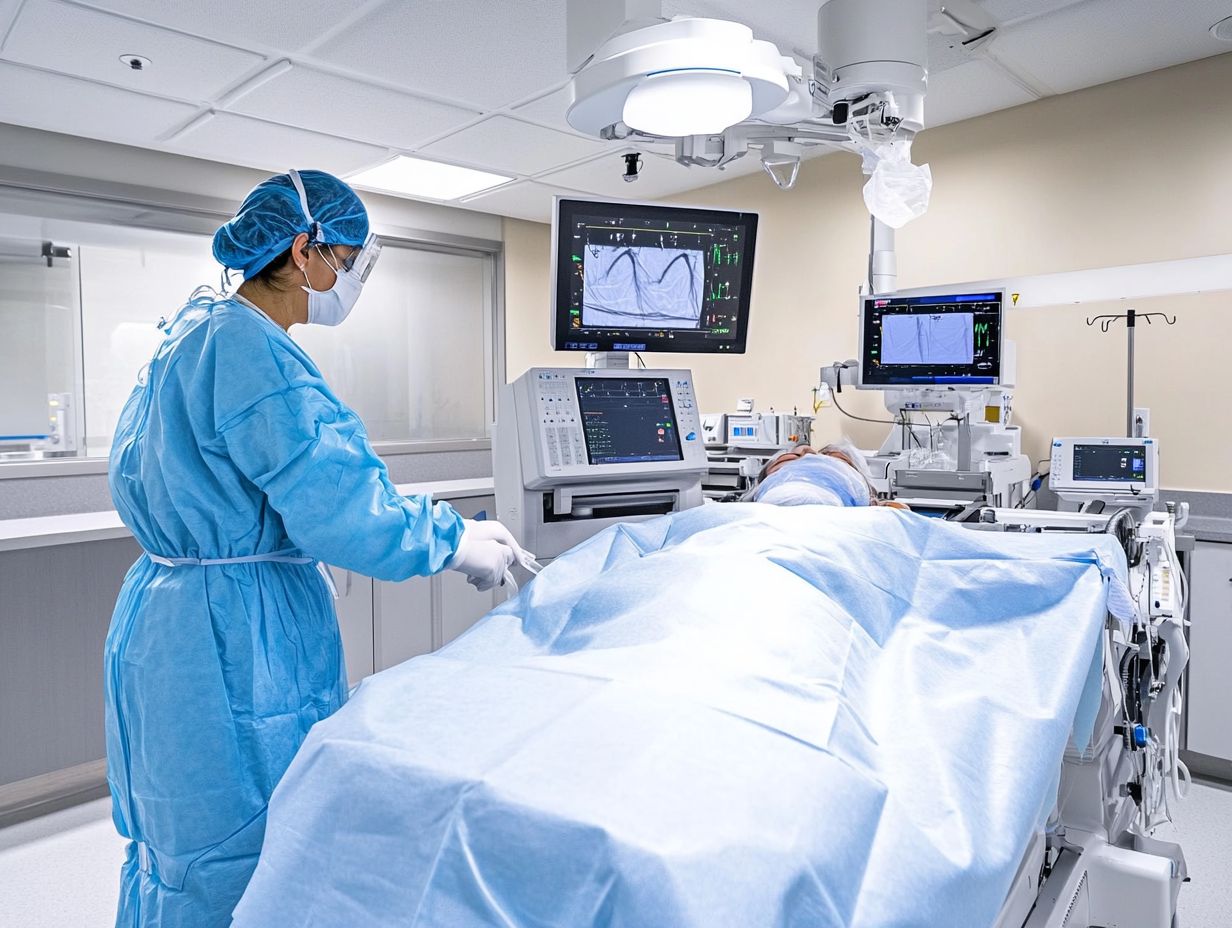
Radiation therapy is a cancer treatment method that uses high-energy radiation to target and destroy cancer cells.
Radiation therapy works by damaging the DNA of cancer cells, which prevents them from growing and dividing.
During radiation therapy, measures are taken to minimize damage to surrounding healthy cells.
Targeting Cancer Cells
The primary goal of radiation therapy is to target cancer cells with precise radiation doses while sparing healthy cells.
Advanced technology and imaging tests like PET and MRI scans help healthcare providers and radiation oncologists to direct radiation accurately at tumors, optimizing treatment planning.
Techniques like intensity-modulated radiation therapy (IMRT) and stereotactic body radiotherapy (SBRT) enhance precision, matching the radiation dose to the tumor’s shape, considering both cancer and healthy tissues.
Effects on Healthy Cells
Radiation therapy primarily targets cancer cells but can also affect healthy cells, causing side effects.
Effects on healthy cells include skin irritation, fatigue, nausea, and appetite changes depending on radiation dosage and treatment location. Monitoring by healthcare providers is necessary to manage side effects and improve patient comfort during treatment sessions.
Preparing for Radiation Therapy
Preparing for radiation therapy involves medical evaluations, scheduling treatment sessions, and understanding potential side effects.
Patients meet with oncologists and radiation oncologists to review medical history, undergo imaging tests for precise tumor targeting, and discuss the comprehensive treatment plan.
Medical Evaluation and Planning
Medical evaluation and treatment planning are essential steps in radiation therapy preparation, allowing healthcare providers and radiation oncologists to assess a patient’s health and cancer specifics for individualized treatment planning.
The process involves reviewing medical history, prior treatments, and cancer stage while conducting diagnostic imaging tests and laboratory tests to tailor radiation therapy effectively, ensuring optimal radiation dose delivery.
This thorough evaluation ensures treatment targets the cancer while considering the patient’s overall well-being.
Side Effects of Radiation Therapy
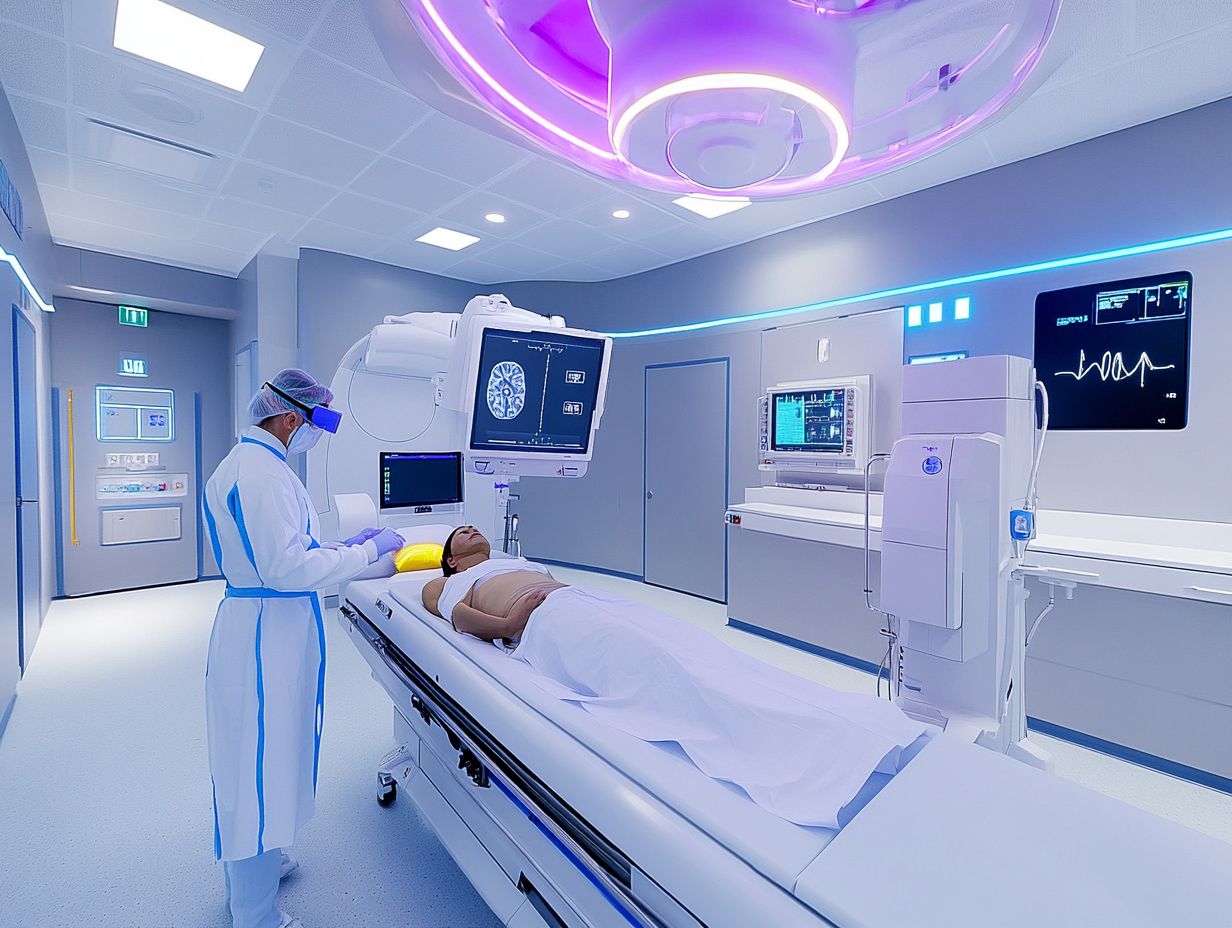
Radiation therapy side effects include skin irritation, fatigue, and nausea as short-term effects, with potential long-term effects like fibrosis, memory loss, and heart problems.
Short-term side effects of radiation therapy affect the treated area and include:
- Skin redness
- Hair loss
- Fatigue
Long-term side effects of radiation therapy may involve tissue damage, secondary cancers, and organ dysfunction, depending on the treatment area.
Short-term and Long-term Effects
Short-term effects of radiation therapy include fatigue, skin reactions, and changes in appetite.
Long-term effects of radiation therapy may involve fibrosis and secondary cancers affecting healthy tissues.
Managing Side Effects
Managing side effects of radiation therapy involves using medications, maintaining proper nutrition, staying hydrated, and following a healthcare provider’s advice.
Common side effects like skin irritation and fatigue can be managed with topical treatments, rest, and a balanced diet.
Patients should report severe side effects to their healthcare provider for appropriate interventions.
Strategies for Coping with Side Effects
Coping with radiation therapy side effects involves using prescribed medications, adjusting nutrition, and seeking emotional support.
Medications can minimize adverse reactions or side effects, while a balanced diet boosts health and resilience during radiotherapy.
Emotional support from family, friends, or support groups provides relief and advice.
Open communication with healthcare providers ensures patients manage side effects effectively.
Frequently Asked Questions
How Does Radiation Therapy Work?
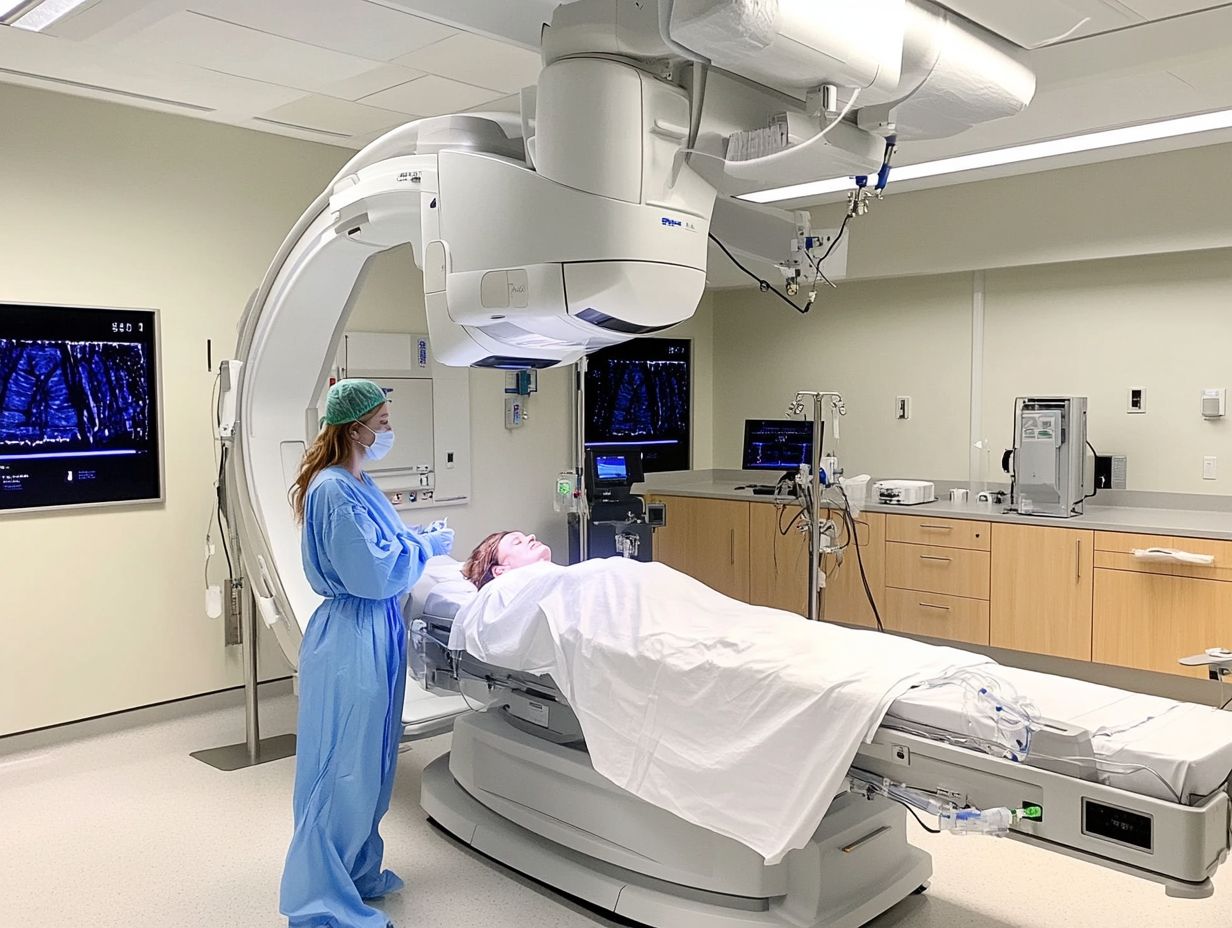
Radiation therapy works by using high-energy radiation to target and kill cancer cells in the body.
What types of radiation are used in radiation therapy?
The most common types of radiation used in radiation therapy are X-rays, gamma rays, and charged particles such as protons and electrons.
How does radiation kill cancer cells?
Radiation damages the DNA of cancer cells, which prevents them from growing and dividing. Eventually, the damaged cells die off.
What are the different types of radiation therapy?
The two main types of radiation therapy are external beam radiation and internal radiation (brachytherapy).
What factors determine the effectiveness of radiation therapy?
The effectiveness of radiation therapy depends on the type of cancer, its location and size, the stage of the cancer, and the overall health of the patient.
Are there any side effects of radiation therapy?
Yes, some common side effects of radiation therapy include fatigue, skin changes, hair loss, and nausea. However, these side effects are usually temporary and can be managed with medication or lifestyle changes.