Cancer treatment encompasses a range of medical interventions aimed at eliminating cancer cells and managing disease progression. Options such as chemotherapy, radiation therapy, immunotherapy, surgery, targeted therapy, hormone therapy, stem cell transplant, and precision medicine are tailored according to the type and stage of cancer. Emerging therapies like hyperthermia and photodynamic therapy are also being explored to enhance outcomes.
Each approach aims to eradicate cancer cells, control the disease, and improve patient quality of life.
Understanding the mechanisms and purposes of each treatment helps in crafting a personalized treatment plan, considering factors like the type and stage of cancer, overall health, and patient preferences.
The interplay between different treatments, such as combining surgery with chemotherapy or integrating immunotherapy with radiation, can enhance effectiveness and reduce resistance.
Patients and healthcare providers work collaboratively to manage side effects and ensure that the treatment aligns with the individual’s lifestyle and well-being goals.
Key Takeaways:
Understanding Cancer Treatment

Cancer treatment involves medical interventions to eliminate cancer cells and manage disease progression.
Treatment options include chemotherapy, radiation therapy, immunotherapy, and surgery, tailored to cancer types and stages.
Each treatment aims to eradicate cancer cells, control disease, and improve patient quality of life.
What is Cancer Treatment?
Cancer treatment refers to medical approaches used to eliminate cancer cells and prevent disease progression. It includes primary treatment and supportive care to manage cancer symptoms and improve quality of life.
Cancer treatment options include:
- Surgery
- Chemotherapy
- Radiation therapy
- Immunotherapy
- Targeted therapy
- Hormone therapy
Surgery removes tumors; chemotherapy uses drugs to kill cancer cells; radiation therapy targets tumors with high-energy particles.
Immunotherapy enhances the immune system; targeted therapy disrupts tumor growth molecules; hormone therapy combats hormone-dependent cancers.
Types of Cancer Treatment
The types of cancer treatment include:
- surgery
- chemotherapy
- radiation therapy
- immunotherapy
- targeted therapy
- hormone therapy
- stem cell transplant
- precision medicine
Each type of cancer treatment has a specific mechanism to treat cancer cells and is chosen based on the patient’s diagnosis and health condition.
Surgery
Surgery is a cancer treatment that involves the physical removal of tumors or affected tissue.
Surgery is performed through resection procedures tailored to the type and stage of cancer. Cryoablation and laser therapy are additional surgical techniques used in specific cases.
Surgery can offer a chance for a cure when the cancer is localized and operable.
Surgery may involve risks like anesthesia complications, bleeding, or infections.
Surgery is often combined with chemotherapy or radiation therapy to enhance treatment effectiveness.
Chemotherapy
Chemotherapy is a cancer treatment that uses drugs to destroy rapidly dividing cancer cells throughout the body.
Chemotherapy can be used after surgery (adjuvant therapy) to remove remaining cancer cells, or before surgery (neoadjuvant therapy) to shrink tumors. This strategy helps in reducing drug resistance and improving therapy outcomes.
Chemotherapy often involves multiple drugs to target specific cancer types and may cause side effects like nausea and hair loss.
Radiation Therapy
Radiation therapy uses high-energy radiation to target and destroy cancer cells.
Radiation therapy types include:
- External beam radiation therapy (EBRT), which directs radiation from a machine to the tumor site,
- Brachytherapy, where radioactive sources are placed inside or near the tumor.
Radiation therapy damages the DNA of cancer cells, preventing them from replicating. Hyperthermia can be used alongside radiation to increase its effectiveness by sensitizing tumor cells.
Radiation therapy treats cancers like breast cancer, prostate cancer, and head and neck malignancies.
Immunotherapy

Immunotherapy is a cancer treatment that uses the body’s immune system to identify and destroy cancer cells.
Immunotherapy includes treatments like:
- Monoclonal antibodies
- Checkpoint inhibitors
- CAR T-cell therapy
Each targeting specific aspects of cancer cells to enhance immune response.
Immunotherapy effectiveness varies by individual and cancer type, with notable success in treating melanoma and certain leukemias.
Hormone Therapy
Hormone therapy is a treatment for hormone-sensitive cancers that blocks hormones fueling cancer growth.
Hormone therapy works by targeting estrogen in breast cancer and testosterone in prostate cancer to slow or shrink tumors.
Hormone therapy improves survival rates and quality of life by alleviating symptoms.
Targeted Therapy
Targeted therapy is a cancer treatment that uses drugs to target specific genetic markers and pathways in cancer cells, allowing for more precise and personalized treatment. Biomarker testing and tumor markers are essential for identifying suitable candidates for this therapeutic strategy.
Targeted therapy works by identifying unique characteristics of an individual’s tumor through biomarker testing, leading to better-targeted treatment options.
Factors Affecting Cancer Treatment
Cancer treatment is affected by the cancer type, stage, patient age, overall health, and personal treatment preferences.
Cancer stage determines treatment options like surgery, chemotherapy, and radiation.
Patient age and health impact treatment tolerability and outcomes. A medical oncologist assesses these factors to create a personalized treatment plan.
Personal preferences influence treatment choices, especially with options like clinical trials or alternative therapies. Nutritional counseling and natural antioxidants may be considered to support overall health during treatment.
Type and Stage of Cancer
Type of cancer refers to the specific kind of cancer cells present, such as breast or lung cancer. Stage of cancer indicates the extent of cancer spread in the body.
Type and stage of cancer determine treatment options. Localized cancer may be treated with surgery or radiation.
Advanced-stage cancer often needs systemic therapies.
Personalized treatment considers cancer type, stage, and patient health.
Overall Health and Age
Overall health and age significantly influence a cancer patient’s treatment plan, affecting therapy choices, side effect tolerance, and prognosis.
Older patients may have additional health conditions, requiring careful treatment planning.
A multidisciplinary healthcare team assesses organ function, mental health, and medical issues to create a tailored treatment plan that improves quality of life while treating cancer.
Personal Preferences

Personal preferences play a crucial role in cancer treatment decisions, allowing for personalized care.
Patients discuss treatment goals such as remission, life extension, or well-being with their healthcare team.
Consideration of potential side effects and lifestyle factors ensures the treatment plan aligns with patients’ quality of life and daily routines.
Combination and Sequence of Cancer Treatment
The combination and sequence of cancer treatment involve using multiple treatment modalities, such as surgery, chemotherapy, and radiation therapy, in a specific order to improve effectiveness and reduce cancer resistance.
Combining treatments can target cancer cells more comprehensively, while sequencing them optimally enhances treatment efficacy. This includes the use of advanced therapies like gene therapy and photodynamic therapy in the treatment sequence.
How Different Treatments Work Together
Different cancer treatments work together by targeting cancer cells through various mechanisms.
Combining chemotherapy with immunotherapy enhances the immune system’s ability to attack tumors.
Integrating targeted therapies with radiation increases cancer cell susceptibility to radiation damage.
This combined approach improves treatment effectiveness and reduces side effects.
Managing Side Effects of Cancer Treatment
Managing side effects of cancer treatment involves addressing symptoms like nausea, fatigue, and pain through medication, lifestyle changes, and supportive therapies.
Patients can manage nausea with prescribed antiemetics, fatigue with regular light exercise, and pain through appropriate analgesic use.
Healthcare providers may recommend dietary adjustments and counseling to support emotional well-being during cancer treatment. Supportive care plays a vital role in managing health problems arising from treatment side effects.
Common Side Effects and Coping Strategies
Common side effects of cancer treatment include fatigue, nausea, hair loss, and immune system suppression.
Coping strategies for fatigue involve rest, light exercise, and nutrition. Nausea is managed with antiemetics and dietary changes.
Support groups and counseling provide emotional support.
Frequently Asked Questions
How Does Cancer Treatment Work? An Overview
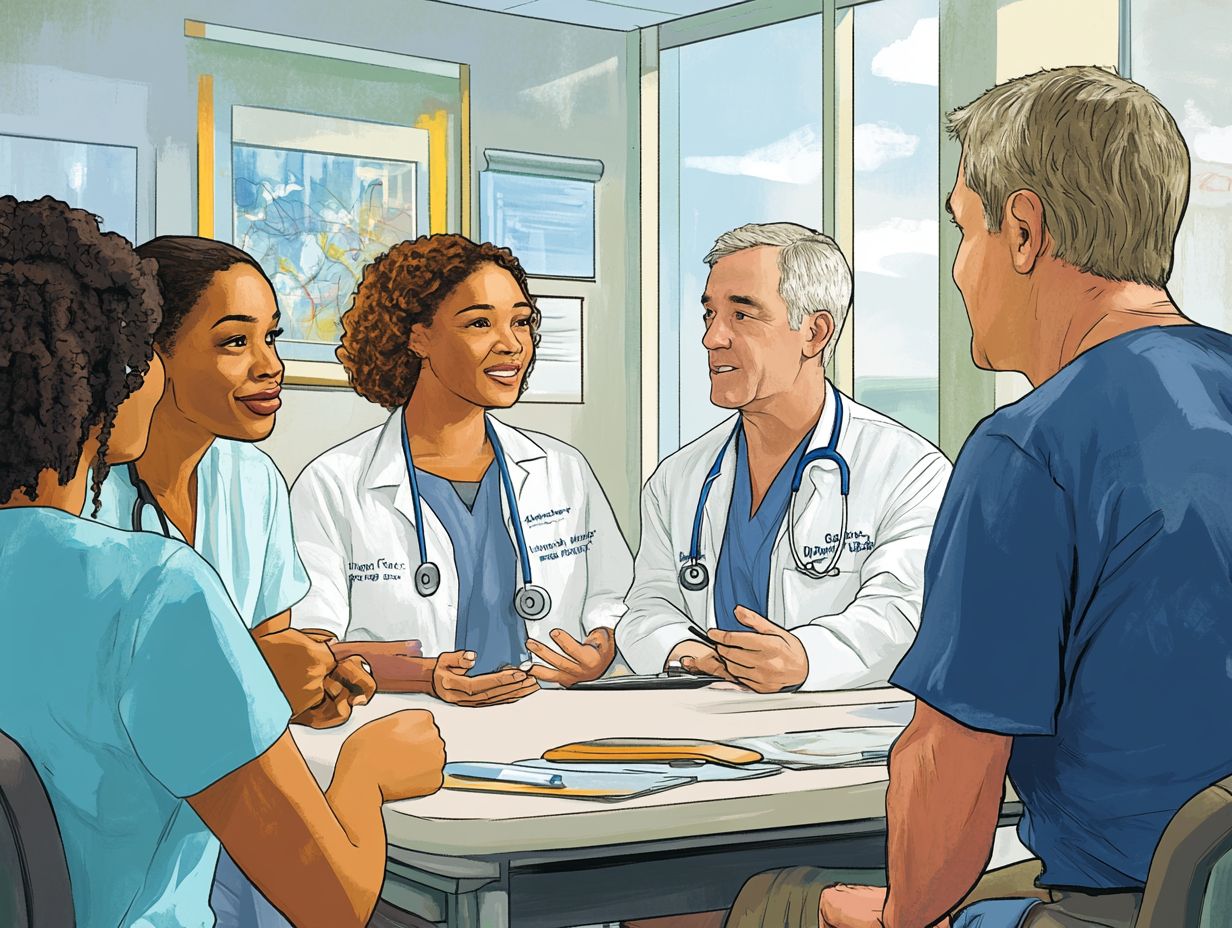
Cancer treatment works by targeting and destroying cancer cells in the body. This can be done through various methods such as surgery, radiation therapy, chemotherapy, immunotherapy, and targeted therapy.
What is the goal of cancer treatment?
The main goal of cancer treatment is to eliminate or control the growth and spread of cancer cells in the body. This can help to improve the patient’s quality of life and potentially lead to a cure.
How do doctors decide on the best treatment for a specific type of cancer?
Doctors consider many factors when determining the best treatment for a specific type of cancer, including the stage and type of cancer, the patient’s overall health, and potential side effects of different treatments. They may also consult with a multidisciplinary healthcare team, including a medical oncologist, to develop a personalized treatment plan for each patient, considering various treatment options such as chemotherapy, hormone therapy, and advanced therapies.
What are the different types of cancer treatment and therapy strategies?
The main types of cancer treatment include surgery, radiation therapy, chemotherapy, immunotherapy, targeted therapy, and newer treatment modalities like gene therapy and photodynamic therapy. These treatments can be used alone or in combination, depending on the type and stage of cancer, as well as the specific tumor markers identified through biomarker testing.
Are there any side effects and health problems associated with cancer treatment?
Yes, there can be side effects of cancer treatment, which can vary depending on the type of treatment and the individual’s response. Common side effects may include fatigue, hair loss, nausea, changes in appetite, and potential tissue damage or drug resistance. It is important for patients to discuss potential side effects and treatment risks with their doctor and manage them effectively, possibly with supportive care and nutritional counseling.
Can cancer treatment cure all types of cancer, including blood cancers and cancer stem cells?
Currently, there is no single treatment that can cure all types of cancer, including challenging cases like blood cancers and those involving cancer stem cells. However, advances in cancer research and treatment strategies have led to improved outcomes for many types of cancer. Some cancers can be cured, while others can be managed as a chronic disease with ongoing treatment, often with the involvement of the National Cancer Institute, American Cancer Society, and leading institutions like the Mayo Clinic.