Preparing for radiation therapy involves understanding the treatment process, both physically and emotionally. Radiation therapy is a cancer treatment that uses high-energy beams to target and destroy cancer cells while minimizing harm to nearby healthy tissue. It includes external beam radiation, brachytherapy, and proton therapy, which are used to treat various cancers such as breast, prostate, lung, and head and neck cancers. The treatment team and care team play crucial roles in ensuring successful outcomes.
Effective preparation starts with a detailed assessment of your medical history and imaging tests to identify the treatment areas. This is followed by a simulation session to create a personalized treatment plan. Ensuring physical comfort by choosing comfortable clothing, maintaining skin care, and making transportation arrangements can alleviate stress.
Mental and emotional preparation is equally important, utilizing relaxation techniques like mindfulness and building a support network for emotional comfort. Using essentials oils or having snacks or lunch ready can also aid in relaxation.
Understanding the potential risks and side effects, such as skin irritation, genetic material impact, fatigue, and localized pain, is crucial. Managing these side effects involves hydration, proper skin care, and regular light exercise. Effective coping strategies, including relaxation techniques and a healthy diet, can improve the overall treatment experience.
After completing radiation therapy, follow-up care is essential to monitor your health, manage side effects, and ensure recovery. Regular check-ups and imaging tests, such as CT scans and MRIs, will be part of this process. Support systems from family, friends, counseling services, and support groups play a vital role in helping patients cope with the treatment and enhancing their well-being.
Patient education on recovery expectations and treatment expectations is also critical for ensuring patient comfort and understanding during the waiting period for results.
Key Takeaways:
Understanding Radiation Therapy
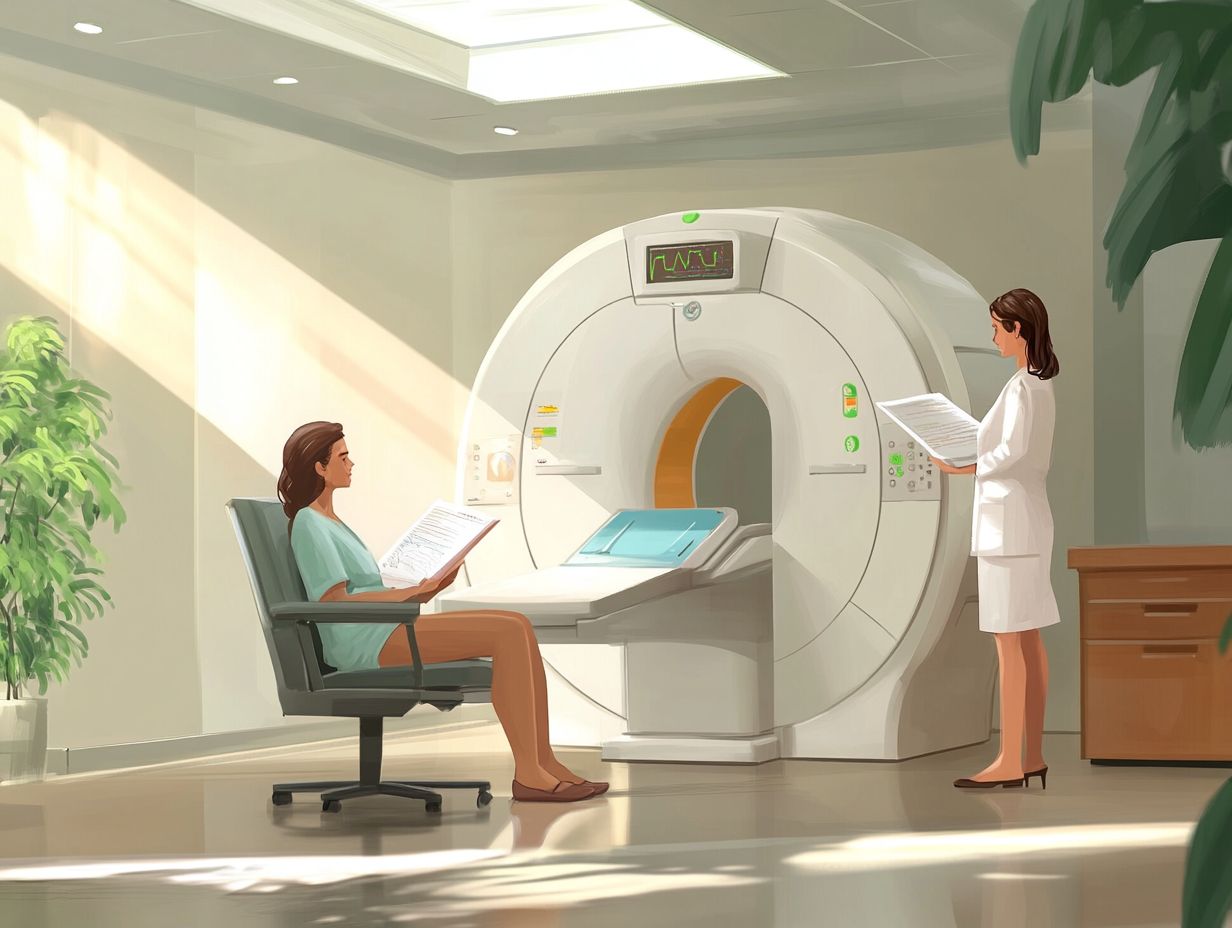
Radiation therapy is a cancer treatment that uses high-energy beams to destroy cancer cells while minimizing harm to nearby healthy tissue.
Radiation therapy is delivered through techniques such as:
- external beam radiation
- brachytherapy
- proton therapy
What is Radiation Therapy?
Radiation therapy is a medical treatment that uses high-energy radiation to target and destroy cancer cells.
Radiation therapy works by shrinking tumors and alleviating cancer symptoms with minimal impact on healthy tissues.
There are two primary forms of radiation therapy:
- External beam radiation targets the tumor from outside the body.
- Brachytherapy places radioactive sources inside or near the tumor.
Radiation therapy effectively treats various cancers, including breast, prostate, lung, and head and neck cancers.
Preparing for Radiation Therapy
Preparing for radiation therapy involves an initial assessment of the patient’s medical history and imaging tests to identify the treatment area.
The preparation process includes a simulation session where healthcare professionals create a personalized treatment plan and schedule.
The focus is on ensuring patient comfort and precision in targeting the treatment area.
Physical Preparation
Physical preparation for radiation therapy involves selecting comfortable clothing, maintaining skin care, following a balanced diet, and arranging reliable transportation.
Patients should wear loose-fitting clothes, use gentle moisturizers, and eat nutrient-rich foods to support health during treatment.
Planning transportation and appointments in advance can reduce stress.
Mental and Emotional Preparation
Mental and emotional preparation helps patients manage psychological challenges during radiation therapy.
Preparation includes techniques like mindfulness, deep-breathing exercises, and visualization to reduce anxiety.
Mindfulness focuses on the present to alleviate stress about future uncertainties.
Building a support network with family and patient groups provides essential emotional comfort.
Risks and Side Effects of Radiation Therapy
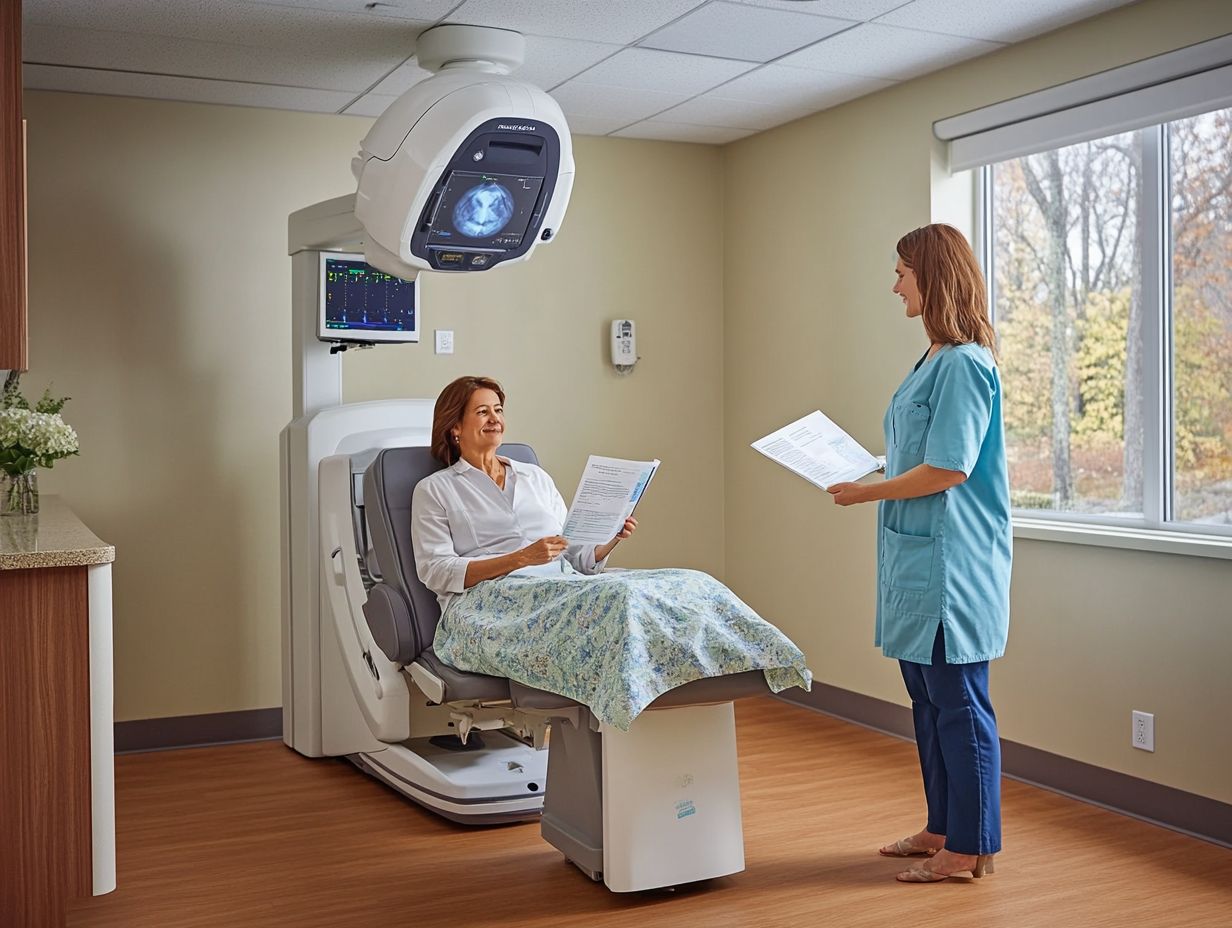
Radiation therapy risks and side effects include skin irritation, fatigue, nausea, and potential long-term effects like tissue damage.
Specific side effects depend on the area treated and may involve localized symptoms, such as hair loss in treated regions.
Radiation therapy can also affect nearby healthy tissues, leading to complications that might require additional care.
Possible Risks and Side Effects
Possible risks and side effects of radiation therapy include skin irritation, fatigue, localized pain, nausea, and changes in appetite.
These risks depend on the treatment area, dose received, and patient health.
Long-term side effects may include tissue damage and secondary cancers.
Managing Side Effects during Treatment
Managing side effects during radiation therapy involves hydration, skin care, and managing fatigue.
Hydration helps reduce dryness and fatigue. Skin care involves using recommended creams to soothe irritated skin.
Managing fatigue requires regular light exercise and a balanced diet to improve energy levels.
Patient education on side effects and proactive communication with healthcare providers enhance well-being.
Effective Strategies for Coping
Effective strategies for coping with the side effects of radiation therapy include relaxation techniques, a healthy diet, and ensuring patient comfort.
-
Relaxation techniques such as deep breathing, guided imagery, and mindfulness reduce stress and anxiety.
-
A healthy diet rich in essential nutrients supports the body’s healing process.
-
Ensuring patient comfort with adjustments like soft lighting or warm blankets improves the overall experience.
After Radiation Therapy
After completing radiation therapy, patients will undergo follow-up care to monitor health and manage side effects.
Follow-up care involves regular check-ups, imaging tests, and blood tests to assess recovery and detect potential issues early.
Patients may experience side effects, such as fatigue, skin changes, and changes in appetite, which doctors will address during follow-ups.
Supportive care, including physical therapy and nutritional counseling, may also be part of the recovery process after radiation therapy.
Follow-up Care and Recovery
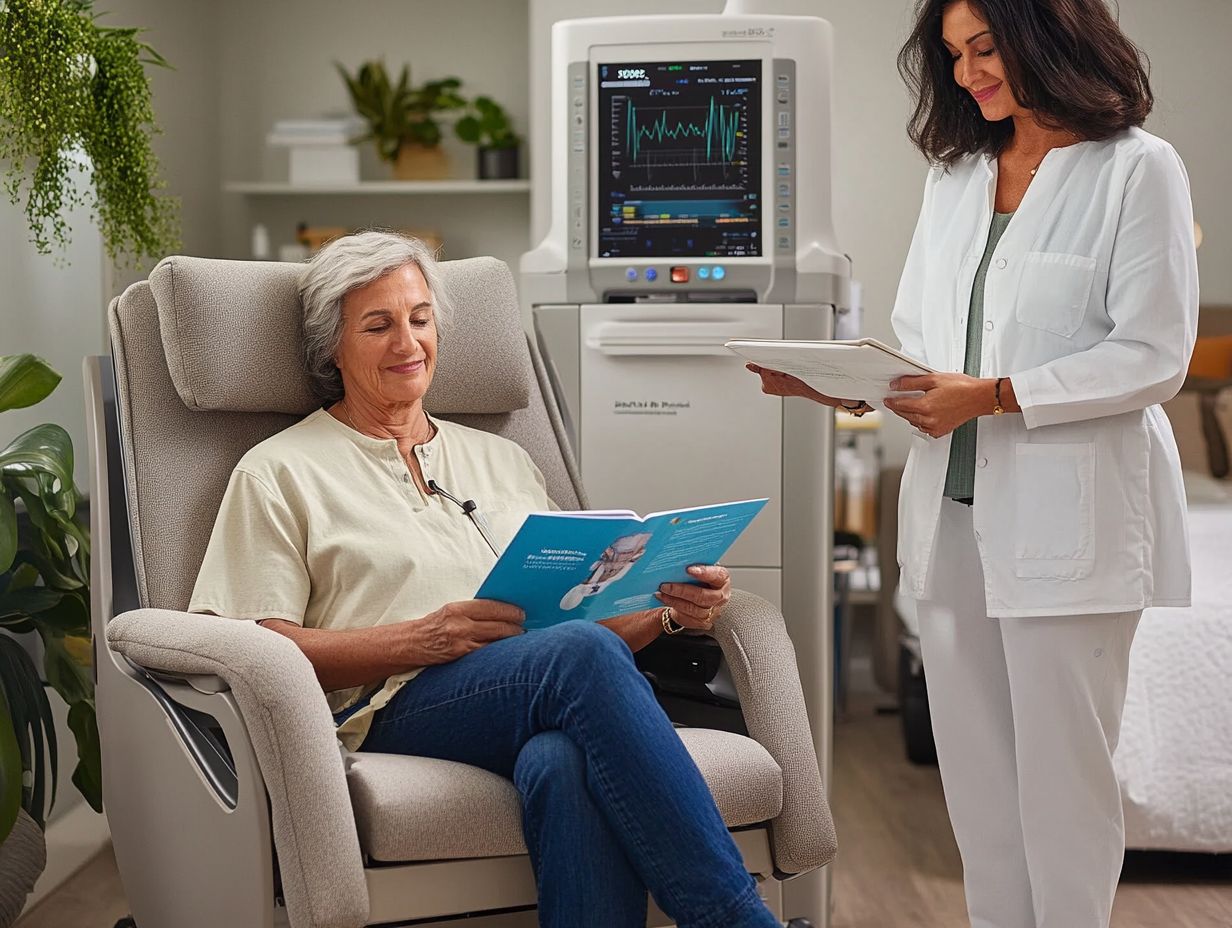
Follow-up care after radiation therapy involves regular monitoring to assess treatment effectiveness and manage potential side effects.
Patients may undergo imaging tests like CT scans or MRIs and have consultations with a multidisciplinary care team.
Patient education about signs of late effects and recovery expectations is crucial for well-considered choices and confident healing.
Support Systems for Patients
Support systems for patients undergoing radiation therapy, including those at Mayo Clinic, include:
- Emotional support from family and friends
- Practical assistance with daily tasks
- Access to professional counseling services
These support systems help patients cope with treatment stress and enhance their overall well-being. Patient support through practical assistance and emotional support is crucial during therapy sessions.
Resources for Emotional and Physical Support
Resources for emotional and physical support during radiation therapy include counseling services, support groups, and educational materials.
Counseling services provide emotional guidance; support groups allow connection with others; educational materials offer information on coping strategies and dietary restrictions.
Organizations like the American Cancer Society provide comprehensive support resources, including information on managing radiation exposure and using medical devices.
Frequently Asked Questions
What is radiation therapy and how do I prepare for it?
Radiation therapy is a type of cancer treatment that uses high-energy radiation to destroy cancer cells. To prepare for radiation therapy, your doctor will conduct a physical exam, review your medical history, and perform imaging tests to determine the best treatment plan for you.
What should I expect during my first appointment for radiation therapy?
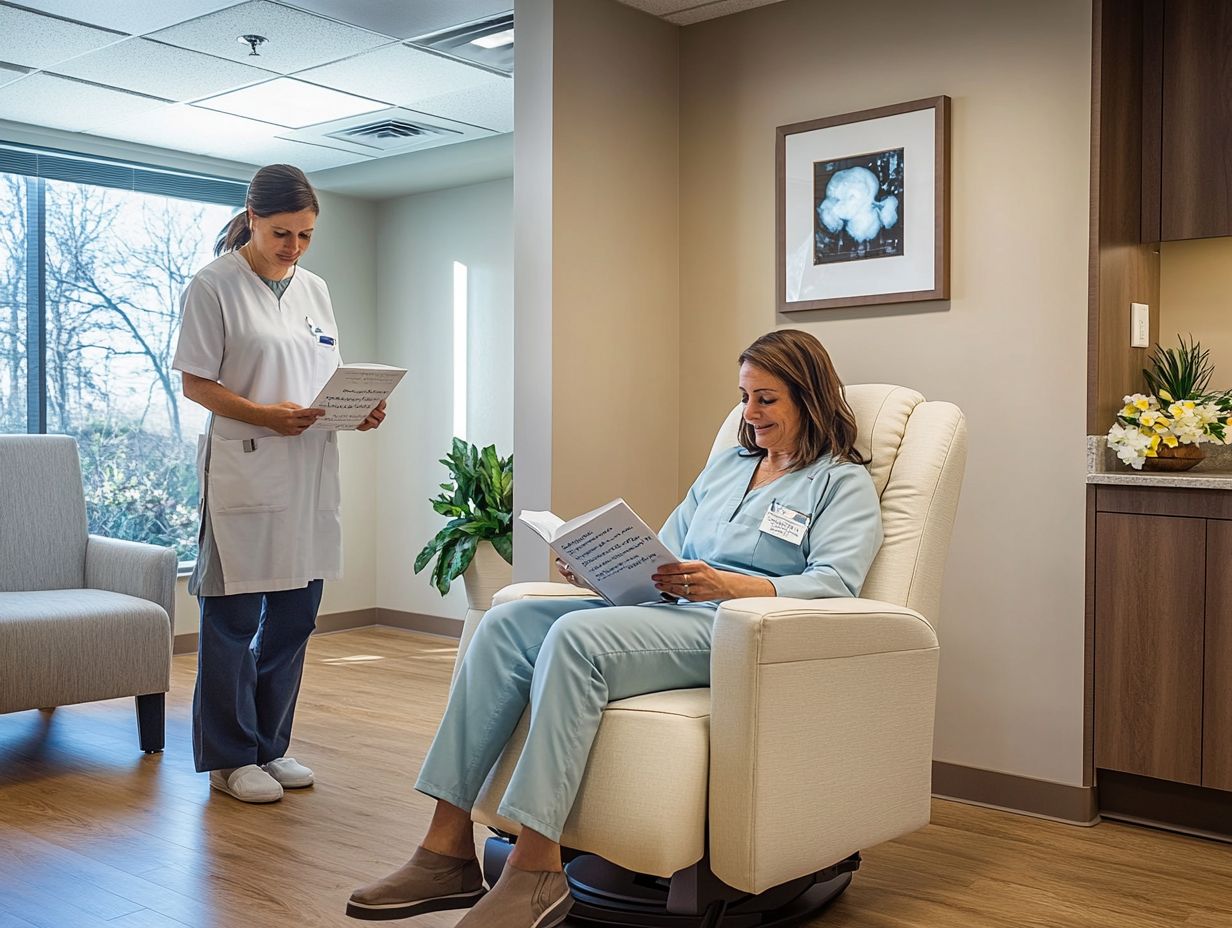
During your first appointment, you will meet with a radiation oncologist who will explain the treatment process and answer any questions you may have. They will also conduct a simulation to determine the best position for you during treatment and may create a customized immobilization device for you to use.
How should I prepare my body for radiation therapy?
To prepare your body for radiation therapy, it is important to maintain a healthy lifestyle by eating a well-balanced diet and staying hydrated. It is also important to follow any specific instructions given by your doctor, such as avoiding specific foods or medications before treatment.
Will I experience any side effects during radiation therapy and how can I manage them?
Side effects from radiation therapy can vary depending on the location of treatment. Common side effects may include skin irritation, fatigue, and changes in appetite. Your doctor will discuss potential side effects and provide strategies to manage them, such as using skin creams or taking medication for nausea.
Do I need to make any lifestyle changes during radiation therapy?
During cancer treatment, particularly radiation therapy, it is important to prioritize self-care and listen to your body. You may need to modify your exercise routine or take more rest breaks to manage energy levels and side effects. It is also important to communicate any changes in your symptoms to your care team to ensure the best possible care, including addressing any skin irritation or other concerns.
What should I do to prepare for each radiation therapy session?
Before each therapy session, it is important to follow any specific treatment instructions from your radiation oncologist, such as wearing comfortable clothing or removing medical devices and jewelry. Consider arranging transportation and bringing snacks or lunch. It is also important to arrive early to give yourself time to relax and mentally prepare for treatment, possibly using relaxation techniques or essential oils. Your treatment team will guide you through the rest of the preparation process, including any necessary imaging tests like a CT scan or MRI and discussions about your treatment plan and overall health.