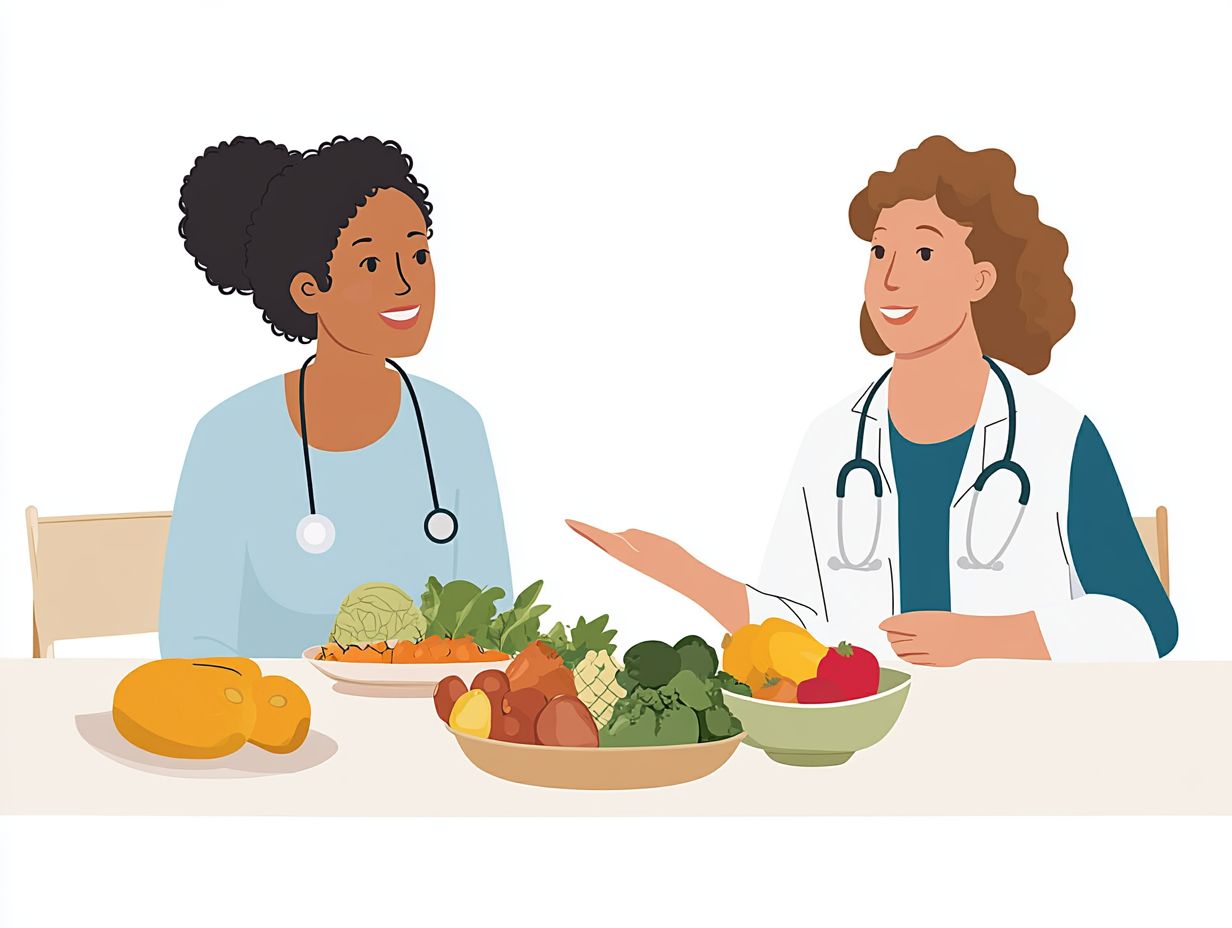
Weight loss during cancer treatment is a common but serious challenge that affects many patients. Understanding why it happens and how to manage it can make a significant difference in your strength, recovery, and quality of life. Whether you’re facing appetite changes, treatment side effects, or emotional struggles, there are practical strategies—from tailored nutrition plans to gentle exercise and emotional support—that can help you maintain a healthy weight throughout your cancer journey.
### Why Does Cancer Cause Weight Loss?
Cancer and its treatments can lead to unintentional weight loss in several ways. The cancer itself may increase your body’s energy needs or cause a condition called cachexia, which leads to severe muscle and fat loss. Treatments like chemotherapy and radiation often reduce appetite and cause side effects such as nausea, mouth sores, or taste changes that make eating difficult. Emotional factors like anxiety and depression can further reduce your interest in food. Because of these complex factors, managing weight loss requires a comprehensive approach that addresses both the physical and emotional challenges you face.
### Recognizing the Challenges
During treatment, you may notice changes such as feeling less hungry, getting tired easily, or having difficulty swallowing or tasting food. These symptoms often make regular meals seem overwhelming. Additionally, treatments can speed up your metabolism, meaning your body burns calories faster even if you’re eating less. Muscle loss can also occur if physical activity decreases. Understanding these difficulties is the first step toward finding effective ways to maintain your nutrition and strength.
### Practical Strategies to Manage Weight Loss
**1. Focus on Nutrient-Dense Foods**
Try to include calorie- and protein-rich foods that help maintain muscle and repair tissue, like lean meats, eggs, dairy, beans, nuts, and legumes. If your appetite is low, eating small, frequent meals or snacks can be more manageable than three large meals. Incorporating whole grains, healthy fats like avocado and olive oil, and colorful fruits and vegetables supports your overall health.
**2. Stay Hydrated**
Drinking enough fluids is important for digestion and energy. If plain water is unappealing, try flavored water, herbal teas, or broths.
**3. Work with a Dietitian**
A registered dietitian who specializes in cancer nutrition can create a personalized meal plan tailored to your tastes, treatment schedule, and nutrition needs. They can also guide you on safe dietary supplements if needed.
**4. Keep Moving Safely**
Physical activity, even gentle exercises like walking or stretching, helps preserve muscle mass, boosts appetite, and improves mood. Talk with your healthcare team about an exercise plan that fits your energy levels and physical condition.
**5. Seek Emotional and Social Support**
Managing cancer involves emotional tolls that can impact your eating habits. Support groups, counseling, or talking with loved ones can reduce stress and promote healthy behaviors. Your healthcare providers can connect you with the right resources.
### Medical Interventions That Can Help
In some cases, your medical team might recommend supplements or medications to boost appetite or improve nutrition. Regular nutrition assessments help tailor these interventions to your needs and adjust them as treatment progresses.
—
### Frequently Asked Questions
**What causes weight loss during cancer treatment?**
Weight loss can result from reduced appetite, side effects like nausea and mouth sores, changes in metabolism, and increased energy use by cancer cells. Treatments such as chemotherapy often affect taste and digestion, making eating challenging.
**Is it normal to lose weight during cancer treatment?**
Yes, many cancer patients experience some degree of weight loss. However, significant or rapid weight loss should be addressed promptly with your healthcare team to prevent complications.
**How can I manage weight loss during cancer treatment?**
Eating small, frequent meals rich in protein and calories, staying hydrated, maintaining gentle physical activity, and working with dietitians can all help manage weight loss effectively.
**Should I try to gain weight during cancer treatment?**
If you are underweight or losing significant weight, gaining weight with guidance from your healthcare provider is beneficial. Aim for healthy weight gain focused on muscle and nutrient-rich foods rather than empty calories.
**Can I use supplements or vitamins to help with weight loss during treatment?**
Always consult your healthcare provider before starting any supplements, as some can interfere with treatment. A medical professional can recommend safe options tailored to your needs.
—
For more detailed guidance, you can explore resources from the [National Cancer Institute](https://www.cancer.gov/about-cancer/treatment/side-effects/appetite-loss), [Mayo Clinic’s cancer nutrition advice](https://www.mayoclinic.org/diseases-conditions/cancer/in-depth/cancer-nutrition/art-20047588), and the [Cancer Research UK guidance on cancer weight loss](https://www.cancerresearchuk.org/about-cancer/coping/physically/eating-well-during-cancer-treatment/weight-loss).
Remember, you don’t have to manage weight loss alone. Collaborate closely with your healthcare team to develop a plan that supports your strength, wellbeing, and recovery every step of the way.