Managing stress-induced flare-ups during treatment for chronic illnesses is crucial for maintaining overall health and well-being. Stress can exacerbate symptoms of conditions like endometriosis and IIH by increasing cortisol and adrenaline levels. Understanding this dynamic is the first step towards effective management.
Flare-ups are often triggered by stress, environmental factors, and lifestyle choices such as poor sleep or diet. Recognizing these triggers through techniques like journaling and mindfulness can help in developing personalized coping strategies.
Integrating stress management techniques, such as mindfulness meditation, physical activity, and support groups, can foster emotional resilience and improve health outcomes. Preventive measures, including a balanced diet, regular exercise, and adequate sleep, are essential in minimizing the impact of chronic illnesses.
Engaging in self-care practices and maintaining open communication with healthcare providers ensures that stress management is effectively incorporated into treatment plans, promoting comprehensive healing and emotional well-being.
Key Takeaways:
Understanding Stress-Induced Flare-Ups

Stress-induced flare-ups occur when stress triggers an exacerbation of symptoms in chronic illnesses like endometriosis or IIH.
Stress increases cortisol and adrenaline levels, worsening symptoms and impacting physical health.
Managing stress with relaxation techniques can help reduce flare-ups and improve quality of life.
What Causes Flare-Ups?
Flare-ups in chronic illness are caused by stress, environmental factors, and lifestyle choices.
Stressors like anxiety and depression can worsen physical symptoms.
Environmental factors, such as pollution, allergens, and climate changes, contribute to flare-ups.
Poor lifestyle choices, including inadequate sleep, lack of exercise, and an unbalanced diet, also trigger flare-ups.
Identifying Triggers
Identifying stress triggers involves recognizing specific situations or thoughts that increase stress levels, allowing individuals to manage anxiety effectively.
Techniques like journaling and mindfulness can help identify and understand these triggers.
This process aids in developing coping strategies and fostering emotional well-being.
Managing Stress During Treatment
Managing stress during treatment involves using techniques like mindfulness meditation, physical activity, and setting healthy boundaries to improve health outcomes.
Stress management techniques can increase emotional resilience during treatment by supporting mental and physical health.
Support groups offer community and understanding by allowing individuals to share experiences and access resources.
Effective Coping Strategies

Effective coping strategies manage stress associated with chronic illness by incorporating relaxation techniques like mindfulness meditation, pranayama breathing exercises, and regular physical activity.
Mindfulness meditation focuses on the present moment to reduce anxiety.
Pranayama breathing exercises alleviate tension and improve mental clarity.
Regular physical activity releases endorphins for stress management and emotional well-being.
Seeking Support
Seeking support through social connections and support groups is crucial for emotional well-being in chronic illness management.
Social ties offer comfort and understanding, enhancing emotional health.
Practicing gratitude strengthens these bonds, reinforcing support systems.
Investing in relationships positively impacts personal and collective well-being.
Preventing Flare-Ups
Preventing flare-ups involves maintaining a balanced diet, engaging in regular exercise, and ensuring adequate sleep to minimize the impact of chronic illnesses.
Stress management techniques like meditation and yoga can reduce flare-up frequency.
Lifestyle Changes to Reduce Stress
Lifestyle changes to reduce stress include adopting a healthy diet and increasing physical activity.
Incorporating mindfulness practices such as meditation, yoga, and breathing exercises into daily routines helps reduce stress.
A diet rich in fruits, vegetables, whole grains, and lean proteins supports mental clarity, while regular exercise like walking, swimming, or cycling enhances stress management.
Self-Care Practices
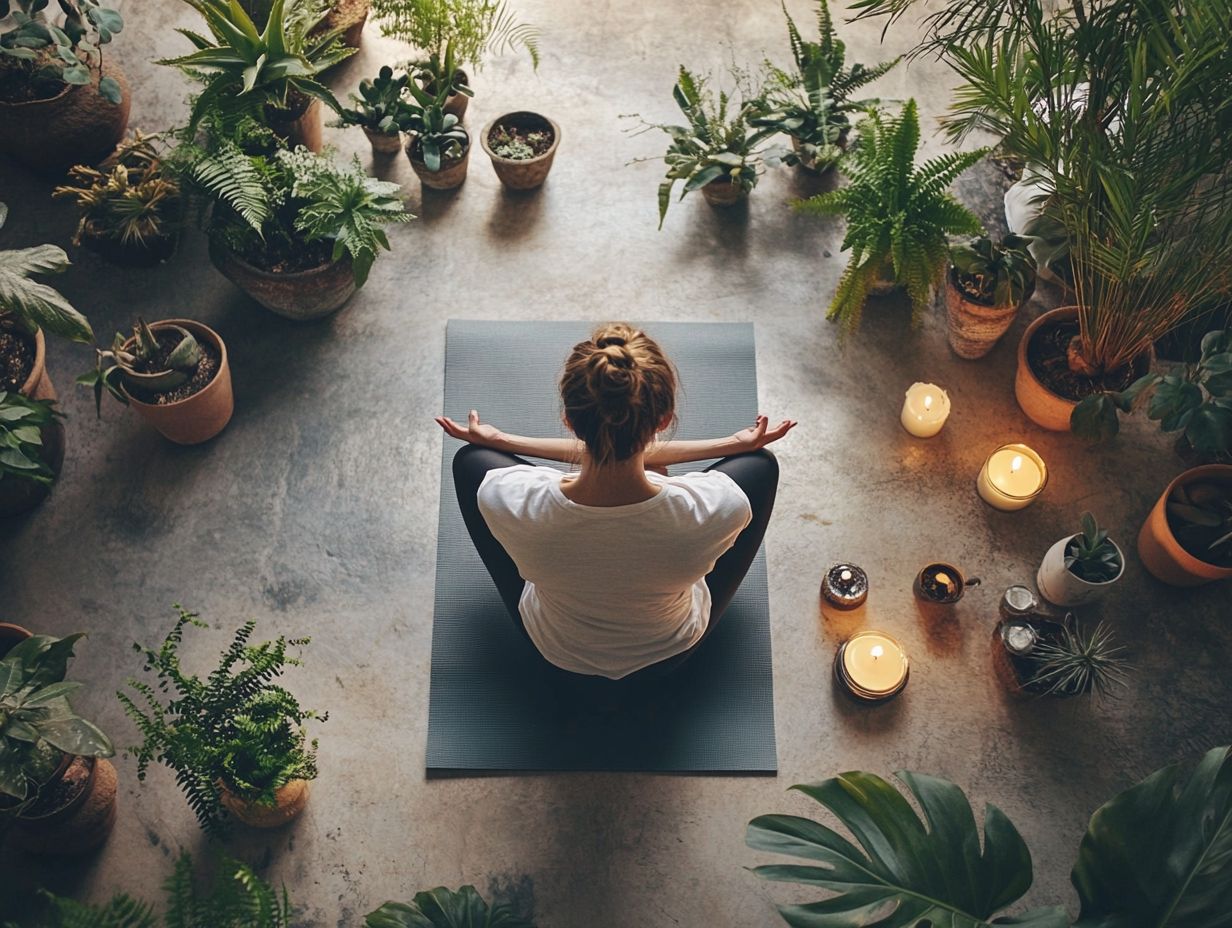
Self-care practices are activities individuals engage in to maintain their mental, emotional, and physical well-being.
Common self-care practices include:
- mindfulness meditation
- relaxation techniques
- setting healthy boundaries
These practices improve stress management and promote emotional resilience.
Regular self-care helps individuals handle life’s challenges more effectively.
Communicating with Your Healthcare Team
Communicating with your healthcare team involves asking questions, providing accurate medical history, and discussing treatment options to enhance care and emotional well-being.
Effective communication includes sharing concerns, understanding instructions, and collaborating on stress management strategies.
Discussing Stress Management in Treatment Plan
Discussing stress management in a treatment plan ensures coping strategies are tailored to individual needs.
Stress management techniques, discussed with healthcare providers, can include lifestyle adjustments and support groups.
- Support groups provide community and shared experiences, fostering emotional resilience.
Effective stress management enhances overall well-being and contributes to comprehensive health and healing.
Frequently Asked Questions
How do I manage stress-induced flare-ups during treatment?

Managing stress is an important part of managing flare-ups during treatment. Some ways to do this include practicing relaxation techniques, such as deep breathing and meditation, exercising regularly, and talking to a therapist or support group.
What are some relaxation techniques that can help with managing stress-induced flare-ups?
Some relaxation techniques that can be helpful include deep breathing exercises, progressive muscle relaxation, guided imagery, and yoga. These techniques can help reduce stress and promote a sense of calm and control.
Can exercise really help with managing stress-induced flare-ups?
Yes, exercise can be a great way to manage stress and reduce the frequency and severity of flare-ups. Regular physical activity can help release endorphins, which are natural feel-good chemicals in the body.
How important is it to talk to a therapist or support group when managing stress-induced flare-ups?
Talking to a therapist or joining a support group can be extremely beneficial in managing stress-induced flare-ups. It allows you to express your feelings and concerns, receive support and guidance, and learn coping strategies from others who may be going through similar experiences.
What are some other self-care practices that can help with managing stress-induced flare-ups?
In addition to relaxation techniques and exercise, other self-care practices that can help with managing stress-induced flare-ups include getting enough sleep, eating a healthy and balanced diet, and finding enjoyable and relaxing activities to engage in.
Is it possible to completely eliminate stress-induced flare-ups during treatment?
While it may not be possible to completely eliminate flare-ups, with proper stress management techniques and self-care practices, it is possible to reduce their frequency and severity. It’s important to remember that managing stress is an ongoing process and it may take some trial and error to find the right methods that work for you.