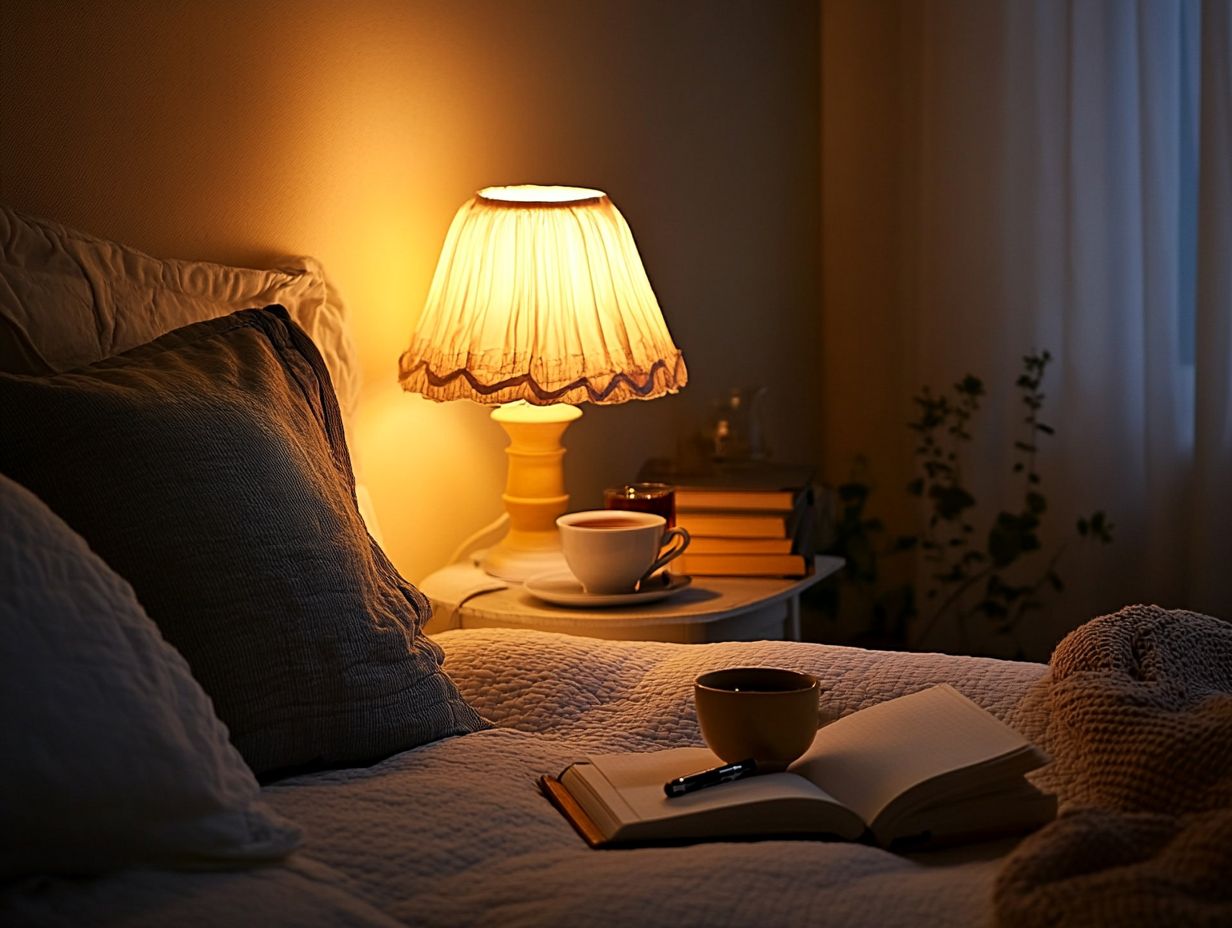
Nighttime can feel especially challenging when coping with cancer-related anxiety. As the world quiets down, worries about treatment, symptoms, and the future may grow louder, making restful sleep elusive. Fortunately, by understanding what triggers your anxiety and exploring gentle relaxation methods, distraction techniques, and supportive resources, you can find ways to soothe your mind and body. This guide offers practical advice to help you calm nighttime fears, improve your sleep, and regain a sense of control over your cancer journey.
Why Does Cancer-Related Anxiety Worsen at Night?
If you’re facing cancer, it’s completely normal to feel anxious or scared. At night, when distractions and daily activities fade, your mind may start replaying worries about your diagnosis, ongoing treatments, or what lies ahead. This quiet environment can make it hard to relax and fall asleep. You may also notice that physical symptoms like pain or nausea feel more intense in the evening, increasing distress.
Recognizing that many people experience these nighttime anxieties can help you feel less isolated. When anxiety regularly disrupts your sleep, it affects not just your mood and energy but also your ability to cope with treatment and daily challenges.
Common Triggers of Nighttime Anxiety in Cancer
You might find that certain thoughts or physical sensations tend to trigger your anxiety as bedtime approaches. Common triggers include:
- Worries about your cancer progressing or coming back
- Uncertainty about how upcoming treatments might affect you, such as fatigue or nausea
- Physical discomfort that feels stronger when you rest
- Feeling alone without the usual daytime distractions or support
Once you know your personal triggers, you can start to gently interrupt these anxious thoughts before they take over.
How Does Anxiety Impact Your Sleep and Health?
Anxiety that keeps you awake or causes restless nights means you miss out on the deep, restorative sleep your body and mind need to heal and stay strong. Over time, poor sleep can make you feel more drained, emotionally vulnerable, and less able to handle cancer treatments—creating a difficult cycle of growing stress and sleeplessness.
Effective Ways to Ease Nighttime Anxiety
You don’t have to face anxiety alone or expect to fix it all at once. Here are some gentle, practical methods that may help you feel calmer and more secure at bedtime.
Relaxation Techniques You Can Try Tonight
- Mindfulness Meditation: Try focusing your attention on your breath or a peaceful image to quiet racing thoughts. Guided options are available through NIH’s meditation resources.
- Deep Breathing Exercises: Slowly inhaling and exhaling can relax your muscles and reduce physical tension.
- Gentle Yoga or Stretching: Moving your body gently while staying aware of your breath helps lower stress.
- Guided Imagery: Listening to recordings that describe calming, safe places can shift your focus away from worries.
Shifting Focus with Distraction Techniques
If your thoughts keep circling, try gently turning your attention to activities like:
- Engaging in a calming hobby such as reading or knitting
- Listening to soothing music or a favorite podcast
- Practicing brief mindfulness moments to bring your focus back to the here and now
Reach Out for Support
Opening up about your fears can reduce their strength. Consider:
- Talking openly with your healthcare team. They can recommend counseling or therapies, like Cognitive Behavioral Therapy (CBT), which helps change negative thought patterns.
- Joining support groups online or in your community to connect with others who understand what you’re going through.
- Exploring palliative care, which focuses on relieving emotional and physical symptoms. Learn more at Cancer.gov.
Daily Habits That Improve Nighttime Rest
How you care for yourself during the day sets the stage for better nights. Try to:
- Include gentle exercise: Activities like walking can boost your mood and reduce stress.
- Eat a nutritious diet: Fruits, vegetables, and whole grains support your body’s healing.
- Take mindfulness or relaxation breaks: Brief moments to breathe and center yourself can stop anxiety from building up.
- Keep a journal: Writing down your thoughts and feelings can help you process and release worries.
When to Talk to Your Doctor About Medication or Therapy
If anxiety continues to disrupt your sleep or daily activities, reach out to your healthcare provider. They can discuss whether medications or specialized mental health support could help you. Avoid starting any new medication on your own, as some may interact with your cancer treatments.
Frequently Asked Questions About Managing Cancer-Related Nighttime Anxiety
Why does anxiety often feel worse at night?
At night, the quiet environment and absence of daytime distractions let fears about your health and future become more noticeable. Also, physical symptoms like pain may feel more intense when you’re resting.
What relaxation techniques work best before bed?
Many people find mindfulness meditation, deep breathing, gentle yoga, or guided imagery helpful for calming the mind and body before sleep.
Can sharing my fears really reduce anxiety at night?
Yes. Talking openly with trusted loved ones or healthcare professionals can lighten your emotional burden. Therapies like Cognitive Behavioral Therapy (CBT) have strong evidence supporting their effectiveness.
Are anxiety medications safe to use with cancer treatment?
Medications can be beneficial but must be prescribed and carefully monitored by your healthcare team to avoid interfering with your cancer care.
What can I do to improve sleep despite anxiety?
Establish a relaxing bedtime routine, avoid caffeine and screens in the evening, create a comfortable sleep environment, and practice relaxation exercises. If sleep problems persist, consult your doctor.
Remember, managing anxiety is a personal journey that takes time, patience, and support—you don’t have to do it alone. For more detailed guidance, visit the National Cancer Institute’s coping resources and the Mayo Clinic’s anxiety management advice. These trusted sources offer practical tools to help you find peace at night and strength during the day.