Finding a skilled cancer specialist is a crucial step in ensuring effective cancer treatment and management. Cancer specialists, including oncologists, play a vital role in diagnosing and treating cancer through chemotherapy, surgery, and radiation therapy. They work in multidisciplinary teams to develop tailored treatment plans that aim for optimal patient outcomes. When seeking a specialist, consider their board certification and malpractice records to ensure high standards of care.
Qualities to Look For in a Cancer Specialist:
- How do your qualifications and training align with treating my specific type of cancer?
- Do you have experience with clinical trials related to my cancer type?
- What is your approach to integrating support services like nurse navigators and nutritional counseling?
- How do you ensure your patients feel a personal connection and comfort during treatment?
- What are your malpractice records and how do they reflect on your practice?
Choosing the Right Specialist:
Consider factors such as the specialist’s experience, communication style, and access to support services like nutritional counseling and clinical trials. Utilize resources like the American Cancer Society, the National Cancer Institute, and the American Board of Medical Specialties to find qualified specialists. Asking the right questions can further assist in evaluating potential specialists, ensuring a fit that meets your medical and personal needs.
Key Takeaways:
Understanding Cancer Specialists

Cancer specialists are medical professionals focused on diagnosing and treating cancer.
Cancer specialists include oncologists and surgeons who work in multidisciplinary teams to provide comprehensive care.
These specialists aim to deliver tailored treatment plans for patients to ensure effective cancer management and optimal outcomes.
Who are Cancer Specialists and What Do They Do?
Cancer specialists, known as oncologists, diagnose and treat cancer using methods like chemotherapy, surgery, and radiation therapy.
Cancer specialists work in multidisciplinary teams that may include surgical oncologists and radiation oncologists to provide comprehensive cancer care.
Oncologists play a crucial role in patient care by determining treatment plans based on the type and stage of cancer. This process often involves consultation with other medical specialists to provide a comprehensive approach to cancer treatment.
Qualities of a Good Cancer Specialist
Qualities of a good cancer specialist include:
- Expertise in oncology demonstrated by board certification and specialized qualifications.
- Extensive experience in treating various cancer cases.
- Strong communication skills to ensure clear and compassionate interactions.
- Ability to develop personalized treatment plans.
- Empathy and emotional support for patients.
Important Characteristics to Look For
Choosing a cancer specialist involves evaluating key characteristics like experience, communication style, and access to support services.
A cancer specialist with extensive experience in a specific cancer type is crucial for effective treatment.
Good communication skills ensure patients feel comfortable discussing concerns.
Access to support services like nutritional counseling and psychological support enhances patient care.
Choosing a Cancer Specialist

Choosing a cancer specialist involves considering the oncologist’s experience, board certification, and access to treatment options, including clinical trials and support services.
Patients can seek referrals from primary care providers and request second opinions to find the right specialist for their specific cancer type.
Evaluating the specialist’s communication style and supportiveness is also important.
Factors to Consider When Making a Decision
When choosing a cancer specialist, consider the specialist’s experience with the specific cancer type, available treatment options, health insurance acceptance, and patient reviews.
Experience ensures expertise in relevant treatment protocols.
Treatment options influence outcomes.
Insurance acceptance affects affordability.
Patient reviews offer insights into satisfaction and care quality.
Finding a Cancer Specialist
Finding a cancer specialist involves consulting databases like the American Cancer Society, the National Cancer Institute, and the National LGBT Cancer Network, which list qualified oncologists and treatment centers. Consider looking into community hospitals and cancer centers known for their specialized care.
Online reviews and ratings can help evaluate potential specialists.
Utilizing LGBT resources may assist in finding inclusive cancer care options.
Resources and Methods for Locating Specialists
Finding cancer specialists involves using online directories to filter providers by cancer type and location.
Referrals from cancer centers and engaging with patient support networks offer guidance to trusted specialists.
Reading online reviews and patient testimonials helps assess a specialist’s reputation and approach. Additionally, checking directories such as the American Board of Medical Specialties can provide information on the specialist’s qualifications and credentials.
Questions to Ask a Potential Cancer Specialist

Questions to ask a potential cancer specialist include:
- What experience do you have with treating my specific type of cancer?
- What treatment options are available for my condition?
- How do you prefer to communicate with patients during treatment?
- Can you explain complex medical terms in a way I will understand?
- What support services are available, such as nurse navigators?
Important Inquiries to Make Before Committing
Before choosing a cancer specialist, ask these questions:
- What are your educational background and board certifications?
- How much experience do you have with my specific type of cancer?
- What treatment options, including clinical trials, are available?
- What is your philosophy of patient care?
These questions help assess a specialist’s qualifications and approach to care.
Frequently Asked Questions
How Do I Find a Good Cancer Specialist?
Finding a good cancer specialist, such as an oncologist or a cancer surgeon, is a crucial step in your cancer treatment journey. Here are some frequently asked questions to help you find the right specialist for you.
What qualifications should I look for in a cancer specialist?
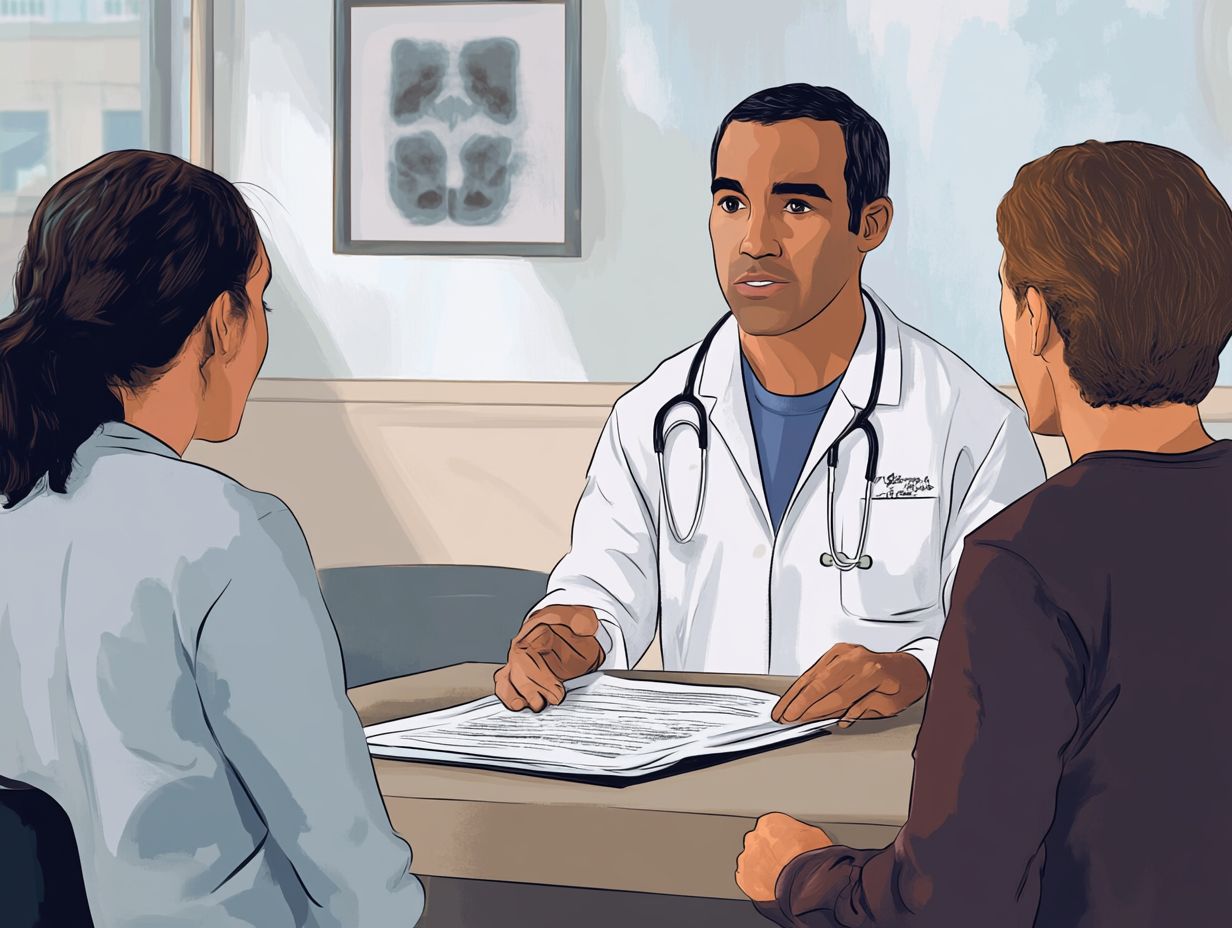
When searching for a cancer specialist, make sure they are board-certified by organizations like the American Board of Medical Specialties and have specialized training and experience in treating your specific type of cancer, such as medical oncology for breast cancer.
Where can I find a list of reputable cancer specialists?
You can start by asking for referrals from your primary care physician, friends, and family members. You can also check with reputable cancer organizations such as the American Cancer Society or the National Cancer Institute for a list of recommended specialists in your area.
What should I consider when choosing a cancer specialist?
Aside from qualifications, it’s important to consider the doctor’s communication style, their approach to treatment, and their availability for appointments. It’s also helpful to read reviews and testimonials from previous patients.
How can I ensure that my insurance covers visits to a cancer specialist?
Before scheduling an appointment, it’s important to check with your insurance provider to see if the specialist is covered under your plan. You can also ask the specialist’s office if they accept your insurance and what the expected costs will be. Health insurance coverage can significantly affect treatment affordability.
Is it okay to get a second opinion from another cancer specialist?
Yes, getting a second opinion is always recommended when dealing with a cancer diagnosis. It can provide you with more information and help you make an informed decision about your treatment plan.
What if I don’t feel comfortable with my current cancer specialist?
If you are not satisfied with your current specialist, it’s important to communicate your concerns and consider finding a new doctor. You may also seek a second opinion to ensure you are on the right path. It’s crucial to have a good relationship with your specialist in order to receive the best possible care.