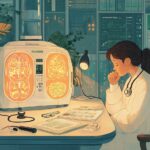
Radiation therapy is a powerful cancer treatment that targets cancer cells with high-energy radiation. While it can be highly effective, it often brings side effects that affect your body and emotions. Learning how to manage these effects and access support can help you feel stronger and improve your quality of life during treatment. This guide walks you through common side effects, practical coping strategies, and where to find resources tailored to your needs.
What Is Radiation Therapy and How Does It Work?
Radiation therapy uses high-energy particles or waves to damage the DNA of cancer cells, stopping them from growing and dividing. This treatment targets the tumor precisely, minimizing harm to nearby healthy tissues. It’s often combined with chemotherapy or surgery as part of a complete cancer care plan.
There are two main types:
- External beam radiation: Radiation is delivered from a machine outside your body directed at the cancer.
- Brachytherapy: Radioactive material is placed inside or near the tumor.
Learn more about radiation therapy at the National Cancer Institute.
Common Side Effects You May Experience
The side effects vary depending on the area treated, but some of the most common ones include:
- Fatigue: Feeling unusually tired is very common and can last weeks to months after treatment.
- Skin changes: Your skin in the treated area may become red, dry, itchy, or peel, similar to a sunburn.
- Hair loss: Hair in the treatment zone may thin or fall out temporarily.
- Appetite changes and nausea: You might feel less hungry or experience upset stomach.
- Mouth or throat irritation: If the head or neck area is treated, soreness or difficulty swallowing can occur.
- Urinary or bladder issues: Radiation to the pelvic area can cause urinary discomfort.
On top of physical symptoms, radiation therapy may also impact your emotional health, leading to anxiety, depression, or feelings of isolation, which is why emotional support is essential.
Practical Tips to Manage Physical Side Effects
Caring for your body during radiation therapy can make a significant difference in your comfort and healing:
- Skin care: Use mild, fragrance-free soaps and moisturizers recommended by your healthcare team. Avoid tight clothing and protect your skin from sun exposure.
- Nutrition: Focus on balanced meals rich in fruits, vegetables, and lean proteins to help maintain strength and appetite. Small, frequent meals may be easier to tolerate if you experience nausea.
- Fatigue management: Prioritize rest but try to stay lightly active as tolerated, like gentle walks. Listening to your body and pacing yourself can prevent exhaustion.
- Hydration: Drink plenty of fluids unless otherwise advised to help manage side effects such as dry mouth or bladder irritation.
Always consult your oncology team for personalized advice and before making any changes to your routine.
Coping with Emotional and Mental Challenges
You might find that radiation therapy brings emotional ups and downs, from anxiety and fear to depression. These feelings are normal but can be overwhelming.
Here are ways to support your emotional well-being:
- Talk it out: Share your feelings with trusted family members, friends, or your healthcare provider.
- Join support groups: Connecting with others going through similar experiences can offer comfort and practical advice. Organizations like Cancer.Net offer online support.
- Professional counseling: Therapists trained in cancer care can provide tools to manage anxiety and depression.
- Relaxation techniques: Practices such as mindfulness meditation, yoga, and deep breathing can reduce stress and promote calm.
Getting Additional Support and Resources
Besides your medical team, there are many resources to help you navigate treatment challenges:
- Cancer centers and hospitals: Many offer counseling services, nutritional guidance, and support groups.
- Financial assistance programs: Organizations like the American Cancer Society provide help managing treatment costs.
- Educational materials: Reliable information empowers you to make informed decisions and advocate for your care.
Remember, you are not alone on this journey, and reaching out for help is a sign of strength.
Frequently Asked Questions
How can I best cope with the side effects of radiation therapy?
Managing side effects often requires a combination of strategies: follow your doctor’s recommendations for medications or skin care, maintain a healthy diet, rest when needed, and seek emotional support. Complementary approaches like acupuncture or relaxation exercises might also help but discuss these with your healthcare team first.
What are typical side effects I should expect?
Common side effects include fatigue, skin irritation, hair thinning, appetite changes, and nausea. The exact symptoms and their intensity depend on the treatment area and your individual response.
Are there specific things I can do to manage fatigue?
Yes. Ensuring plenty of sleep, balancing activity with rest, eating nourishing foods, and communicating with your care team so they can adjust your treatment if necessary can all help reduce fatigue.
How should I take care of my skin during radiation therapy?
Use gentle, non-irritating products, keep the skin moisturized, avoid sun exposure, and wear loose-fitting clothes. Always check with your radiation oncologist before applying any creams or lotions.
Can natural remedies help with radiation side effects?
Some patients find relief using natural options like ginger for nausea or acupuncture for pain. However, you must discuss these with your doctor to avoid conflicts with your treatment.
What should I do if I experience emotional difficulties during treatment?
Speak openly with your healthcare provider about your feelings. They can connect you to counseling services or support groups. Lean on friends and family and consider relaxation techniques to help manage stress.
For more information and support, visit the Mayo Clinic’s radiation therapy guide and the National Cancer Institute’s side effects overview.