Experiencing hair loss during chemotherapy, known as chemotherapy-induced alopecia, is a common and challenging side effect for many cancer patients. This occurs because chemotherapy drugs target fast-growing cells, including hair follicles, leading to temporary hair thinning or baldness, impacting both physical appearance and body image.
Coping with this change involves practical strategies such as:
- Selecting head coverings
- Using gentle hair products
- Considering wigs for comfort
Emotional support from family, friends, and support groups plays a crucial role in maintaining mental well-being and a positive self-image during cancer treatment. Engaging with a cancer care team can also provide guidance and support through these challenges.
To manage hair loss, patients can employ gentle hair care methods, explore options like scalp cooling caps to prevent hair loss, and tap into support systems offering counseling and community resources. Additionally, considering the use of a hairpiece or prescription wig can help manage changes in appearance. Understanding these aspects helps patients navigate the emotional and physical challenges of hair loss during chemotherapy.
Key Takeaways:
Understanding Hair Loss During Chemotherapy
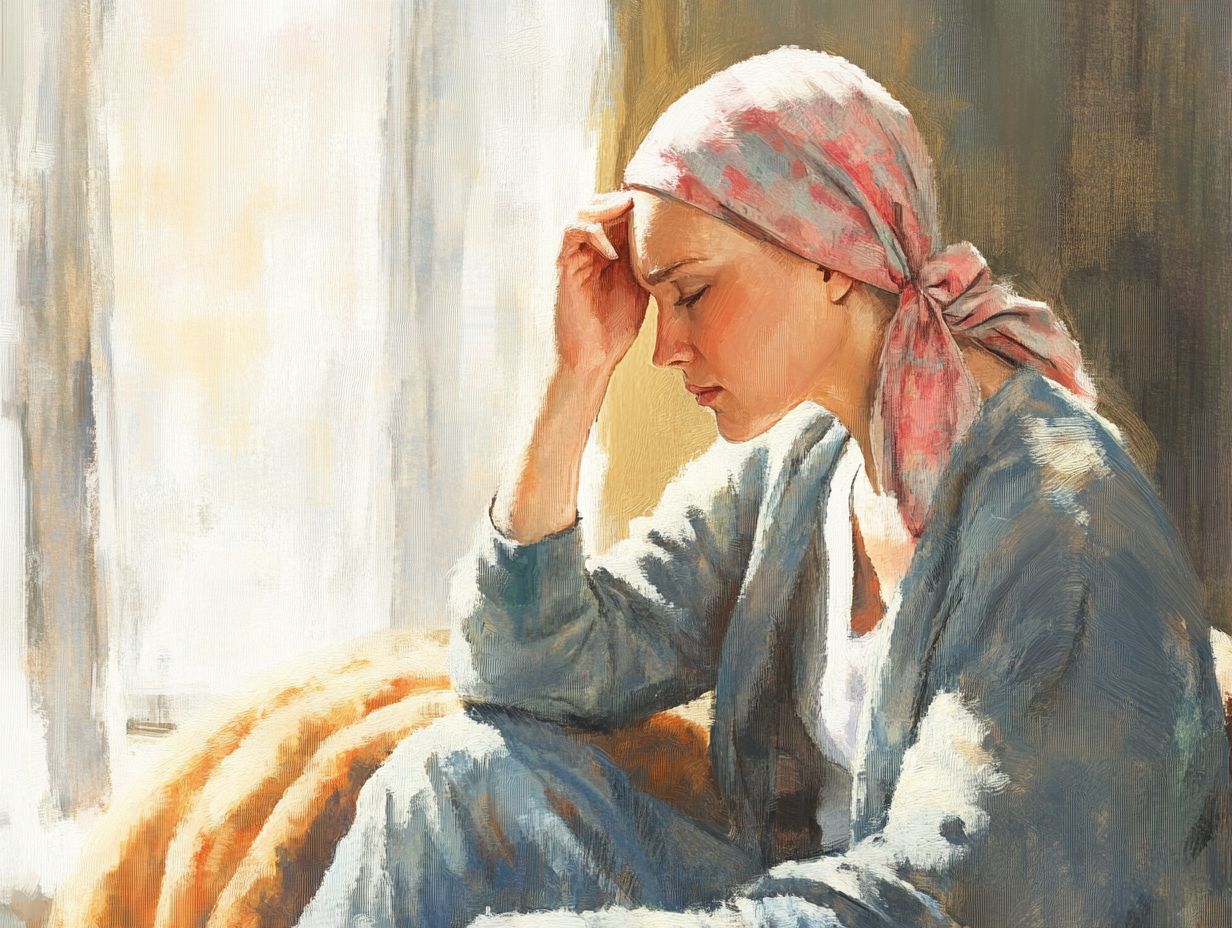
Hair loss during chemotherapy, known as chemotherapy-induced alopecia, occurs because chemotherapy drugs target fast-growing cells, including hair follicles.
This temporary hair loss results from the drugs’ action on rapidly dividing cells.
Understanding this process helps patients cope with the changes during cancer treatment.
Why Does Chemotherapy Cause Hair Loss?
Chemotherapy causes hair loss because it targets fast-growing cells, including hair follicles.
Chemotherapy drugs attack rapidly dividing cells to kill cancer cells, but they also affect healthy cells like hair follicles, leading to hair thinning or baldness.
This is why hair loss is a common side effect of chemotherapy treatment, as the drugs inadvertently affect hair follicles while targeting cancer cells.
Coping with Hair Loss
Coping with hair loss during cancer treatment involves practical strategies to manage changes in appearance.
Patients can prepare for hair loss by:
- Choosing head coverings
- Using gentle hair care products
- Considering wigs for comfort
Emotional support from family, friends, and support groups is important for mental well-being.
Patients should focus on maintaining a positive self-image during treatment.
Emotional Impact and Mental Health
Chemotherapy-induced hair loss profoundly impacts emotional health, affecting self-image and identity.
Emotional impact includes feelings of sadness and anxiety due to sudden appearance changes.
Mental health support from healthcare professionals and family is crucial in navigating these challenges.
Practical Tips for Managing Hair Loss and Scalp Care
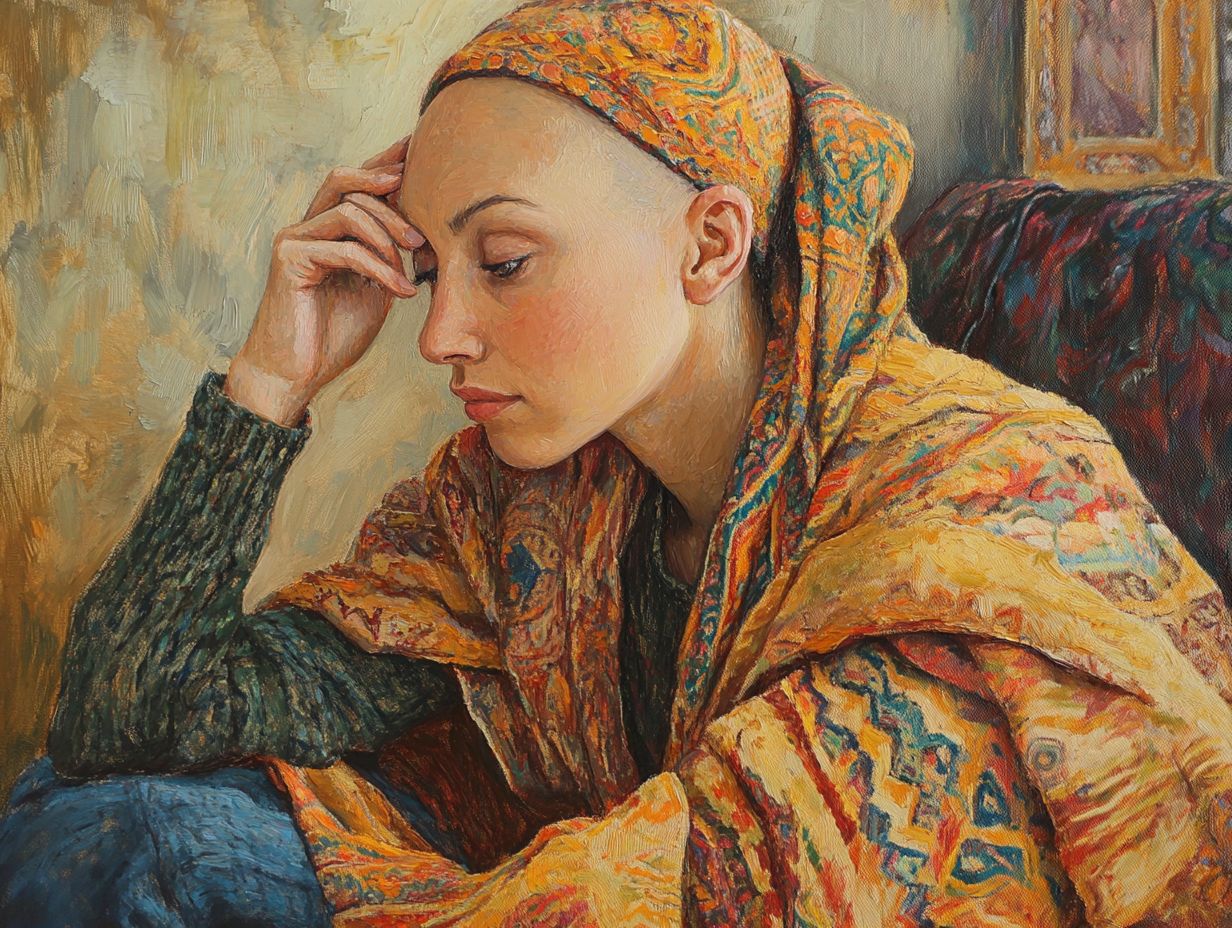
Managing hair loss during chemotherapy involves using gentle hair care methods to reduce scalp irritation and maintain comfort. Incorporating a gentle routine that includes moisturizing shampoo and natural oils like coconut oil can soothe a tender scalp.
- Use moisturizing shampoos, baby formulations, and natural oils like coconut or jojoba oil to soothe and nourish the scalp, ensuring scalp protection and hydration.
- Choose a wide-toothed comb or soft-bristle brush to minimize breakage.
- Gentle scalp massages help alleviate irritation and improve blood circulation.
Options for Hair Loss Prevention
Options for hair loss prevention during chemotherapy include scalp cooling caps, gentle hair care routines, and dietary supplements.
Scalp cooling caps reduce hair loss by lowering scalp temperature to limit follicle damage during treatment.
Gentle hair care involves minimal heat styling and using mild shampoos to protect hair.
Dietary supplements like biotin may support hair strength and regrowth.
Scalp Cooling and Other Hair Preservation Techniques
Scalp cooling is a technique used during chemotherapy to prevent hair loss by using cooling caps to reduce scalp temperature and limit chemotherapy drug impact on hair follicles.
Scalp cooling works by constricting blood vessels in the scalp, which reduces drug absorption by hair follicles. This technique is a vital part of patient preparation for chemotherapy to minimize hair loss.
Other hair preservation techniques include:
- Low-level laser therapy (LLLT) – LLLT stimulates hair follicles, promoting growth.
- Topical minoxidil – Increases hair density and slows thinning.
Support Systems for Coping with Hair Loss
Support systems for coping with hair loss include counseling services, support groups, and community resources that provide emotional and practical assistance to cancer patients.
These systems offer guidance and help patients manage the psychological and social impacts of hair loss during cancer treatment.
Resources and Support Groups

Resources and support groups offer emotional support and practical information for cancer patients experiencing hair loss during chemotherapy. These supportive resources help mitigate the emotional toll and identity challenges caused by hair loss.
Support comes through community centers, online platforms, educational materials, and professional counseling.
These resources help patients manage hair loss, explore head covering options such as head wraps and wigs, and connect with others facing similar challenges, fostering community and shared experiences.
Frequently Asked Questions
How do I cope with hair loss during chemotherapy?
Coping with hair loss during chemotherapy can be difficult, but there are ways to manage and handle it. Here are some tips to help you cope with hair loss during chemotherapy:
Will I definitely lose all of my hair during chemotherapy?
Not everyone who undergoes chemotherapy will experience complete hair loss. Some may only experience thinning or partial hair loss. It depends on the type and dosage of chemotherapy drugs being used.
Can I prevent hair loss during chemotherapy?
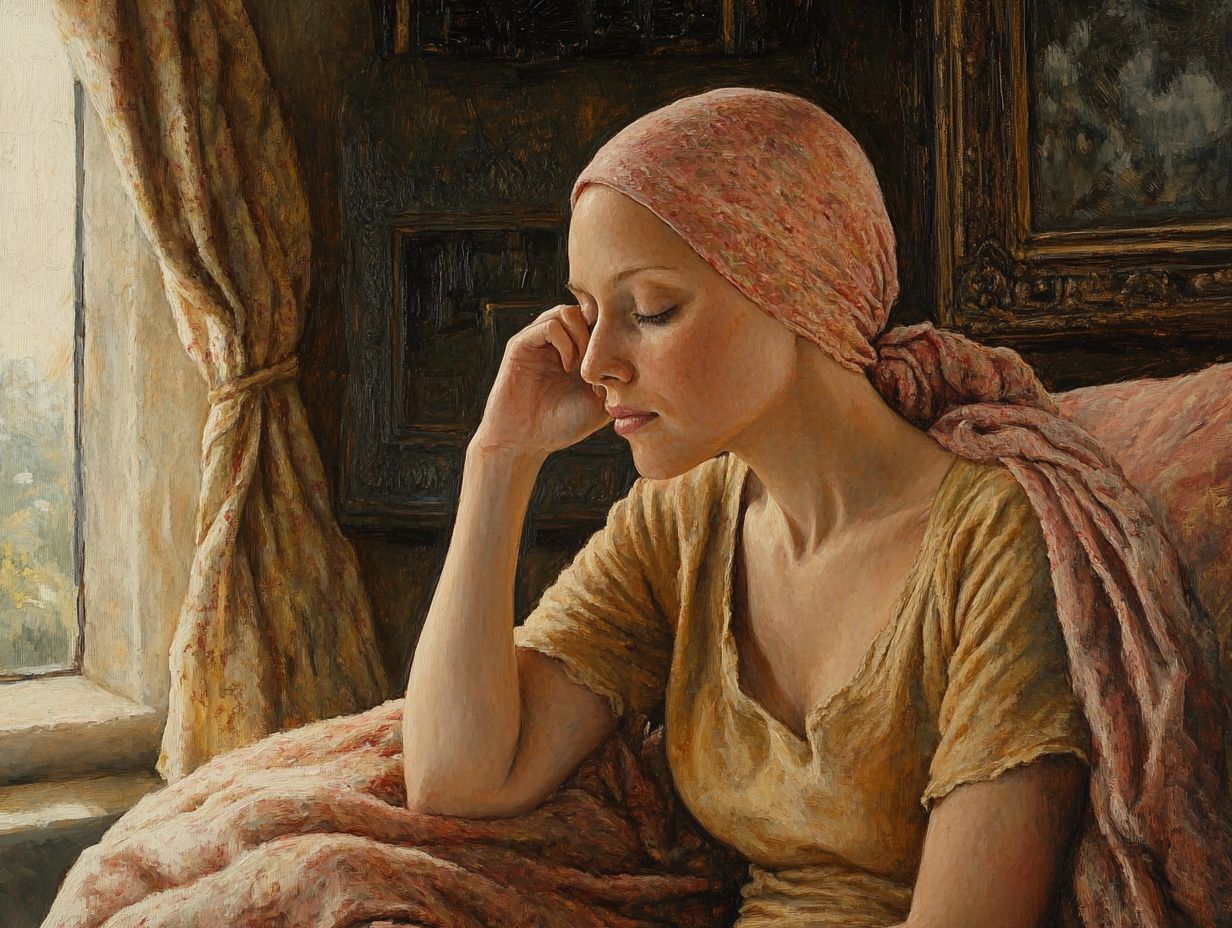
Unfortunately, there is no proven way to prevent hair loss during chemotherapy. However, some patients have found success in using scalp cooling caps to reduce hair loss. Talk to your doctor about this option.
What can I do to prepare for hair loss during chemotherapy?
One way to prepare for hair loss during chemotherapy is to cut your hair short or shave your head before it starts falling out. This can help make the transition less drastic and easier to manage.
How can I manage my emotions during hair loss?
Hair loss can be emotionally difficult, but it’s important to remember that it is a temporary side effect of treatment. Surround yourself with supportive friends and family, and consider seeking therapy or support groups to help cope with your emotions.
Will my hair grow back after chemotherapy?
In most cases, hair will grow back once chemotherapy is completed. However, it may come back differently in texture or color. It’s important to be patient and allow your hair to grow back at its own pace.