Managing the emotional challenges that come with a cancer diagnosis can feel overwhelming, but visualization techniques offer a meaningful way to reduce stress and support your well-being during this journey. By imagining peaceful scenes and positive outcomes, you can create mental moments of calm that help ease anxiety and improve your mood. These methods not only enhance relaxation but also complement your medical treatments by boosting your emotional resilience and possibly supporting your body’s healing process. Discover how visualization can become a practical, empowering tool for managing cancer-related stress and improving your quality of life.
What Is Cancer-Related Stress and Why Does It Matter?
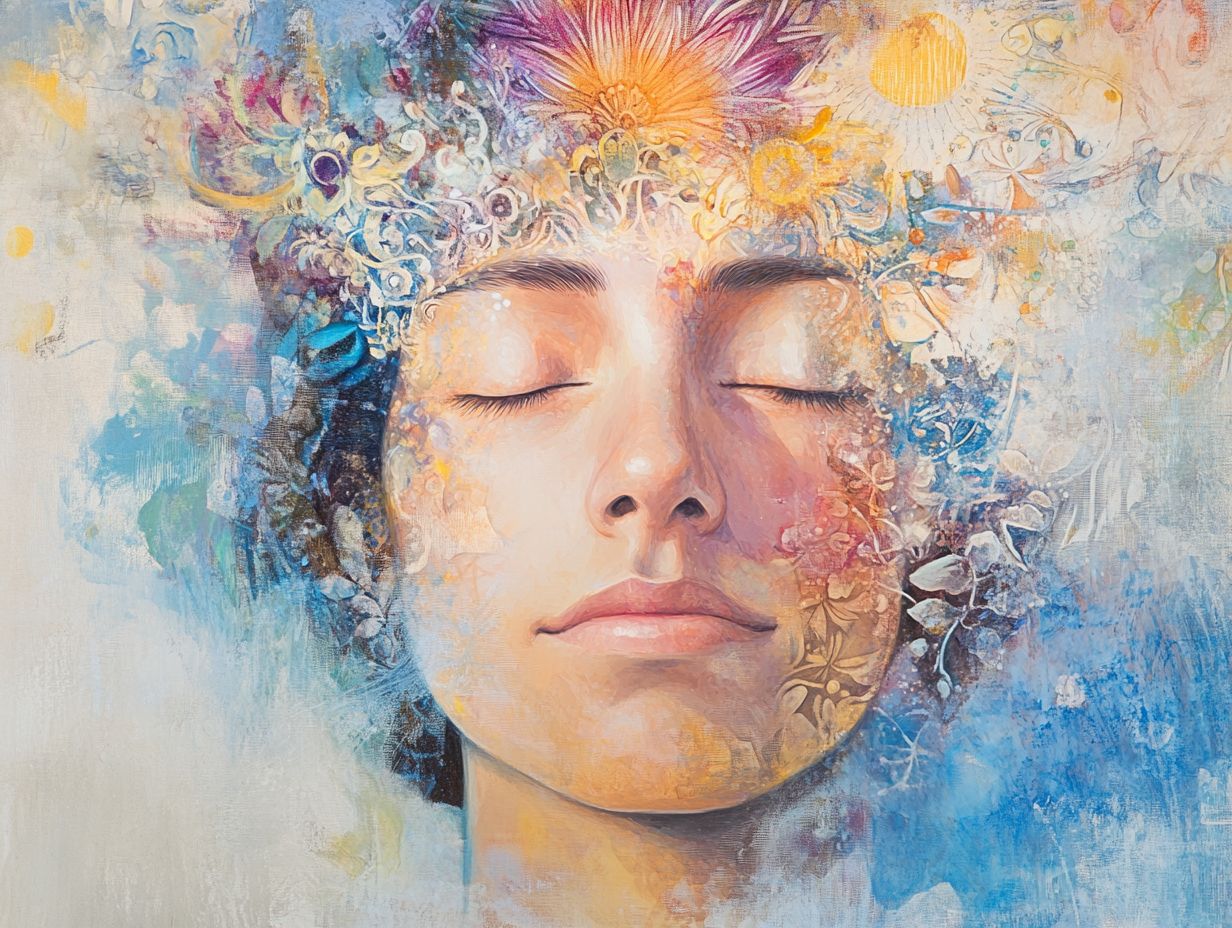
If you’ve been diagnosed with cancer, you might notice feelings of stress, anxiety, or sadness weighing on you. Cancer-related stress is the mental and emotional strain caused by concerns about your illness, treatments, side effects, and the uncertainty of what lies ahead. This stress can affect your mood, sleep, energy levels, and even how your body responds to treatment.
Addressing this stress isn’t just about feeling better emotionally—it can also support your physical health by strengthening your immune system and improving your overall quality of life. Techniques like visualization, mindfulness, and relaxation exercises can help you regain a sense of control and peace, making your cancer journey more manageable.
The Emotional Impact of Cancer Stress
You may experience increased anxiety, depression, or fatigue as you navigate treatment plans and the emotional roller coaster of a cancer diagnosis. These feelings are common and valid. While conventional therapies focus on treating the cancer itself, managing your mental health is equally important to help you cope effectively.
Practicing stress-reduction strategies can enhance your resilience, helping you face challenges with greater calm and confidence. If you find your emotions difficult to manage, reaching out to counselors, support groups, or your medical team can provide valuable support tailored to your needs.
How Visualization Techniques Can Help Manage Cancer Stress
Visualization, also known as guided imagery, is a technique where you create calming mental pictures or imagine positive health outcomes. This mental practice helps shift your focus away from stressful thoughts to places, experiences, or scenarios that promote peace and relaxation.
For example, you might picture yourself resting in a serene garden or visualize your immune system working strongly to fight cancer cells. These mental images can help reduce anxiety, improve your mood, and make your treatment experience feel more supportive and hopeful.
The Science Behind Visualization for Cancer Care

Research has found that visualization can effectively lower stress and even positively influence the body’s immune response. For instance, studies like those from the National Institutes of Health highlight how mental imagery reduces anxiety and supports overall well-being during cancer treatment.
Experts such as Dr. Adolfo Carrillo advocate for including imagery therapy alongside traditional cancer treatments, as it promotes greater emotional balance and empowers patients with a sense of control over their health journey.
Ultimately, visualization is not a cure, but it complements your medical care by nurturing your mind and body connection, helping you face treatment challenges with increased strength and optimism.
Simple Steps to Practice Visualization Techniques
You might wonder how to get started with visualization. It’s easier than you think and can be integrated into your daily routine to relieve stress.
- Breathe Deeply: Begin by sitting comfortably and taking slow, deep breaths — inhale deeply through your nose, hold for a few seconds, then exhale slowly through your mouth.
- Relax Your Body: Use progressive muscle relaxation by tensing each muscle group in your body one at a time and then releasing it to ease physical tension.
- Imagine Calming Scenes: Picture a peaceful place, like a quiet beach or a sunny meadow. Engage your senses—imagine the sounds, smells, and sights vividly to deepen relaxation.
- Visualize Positive Healing: You can also imagine your immune system battling cancer cells effectively or visualize yourself feeling strong and healthy.
Practicing these steps daily, even for just 10 minutes, can create a habit of calm that supports your emotional well-being throughout your treatment.
Integrating Visualization with Your Cancer Care Team

If you’d like, you can work with healthcare providers experienced in imagery therapy who can guide you through personalized visualization sessions. This professional support can deepen the benefits and help tailor practices based on your unique situation.
Combining visualization with other supportive therapies—like mindfulness meditation, deep breathing, or counseling—can create a holistic stress management plan, improving your quality of life during cancer treatment.
Feel free to ask your oncologist or care team about referrals to therapists or support programs that incorporate these techniques. You’re not alone in this, and many resources are available to help you along the way.
Complementary Stress-Reduction Techniques
Beyond visualization, techniques such as mindfulness meditation, progressive muscle relaxation, and paced breathing are highly recommended for managing cancer-related stress:
- Mindfulness Meditation: Focuses your awareness on the present moment, helping reduce racing thoughts and anxiety.
- Progressive Muscle Relaxation: Helps relieve physical tension by systematically relaxing different muscle groups.
- Deep Breathing Exercises: Slows your breathing rate and stimulates your body’s relaxation response.
Incorporating these methods alongside visualization can further enhance your emotional resilience and promote a sense of peace during your cancer journey.
Frequently Asked Questions
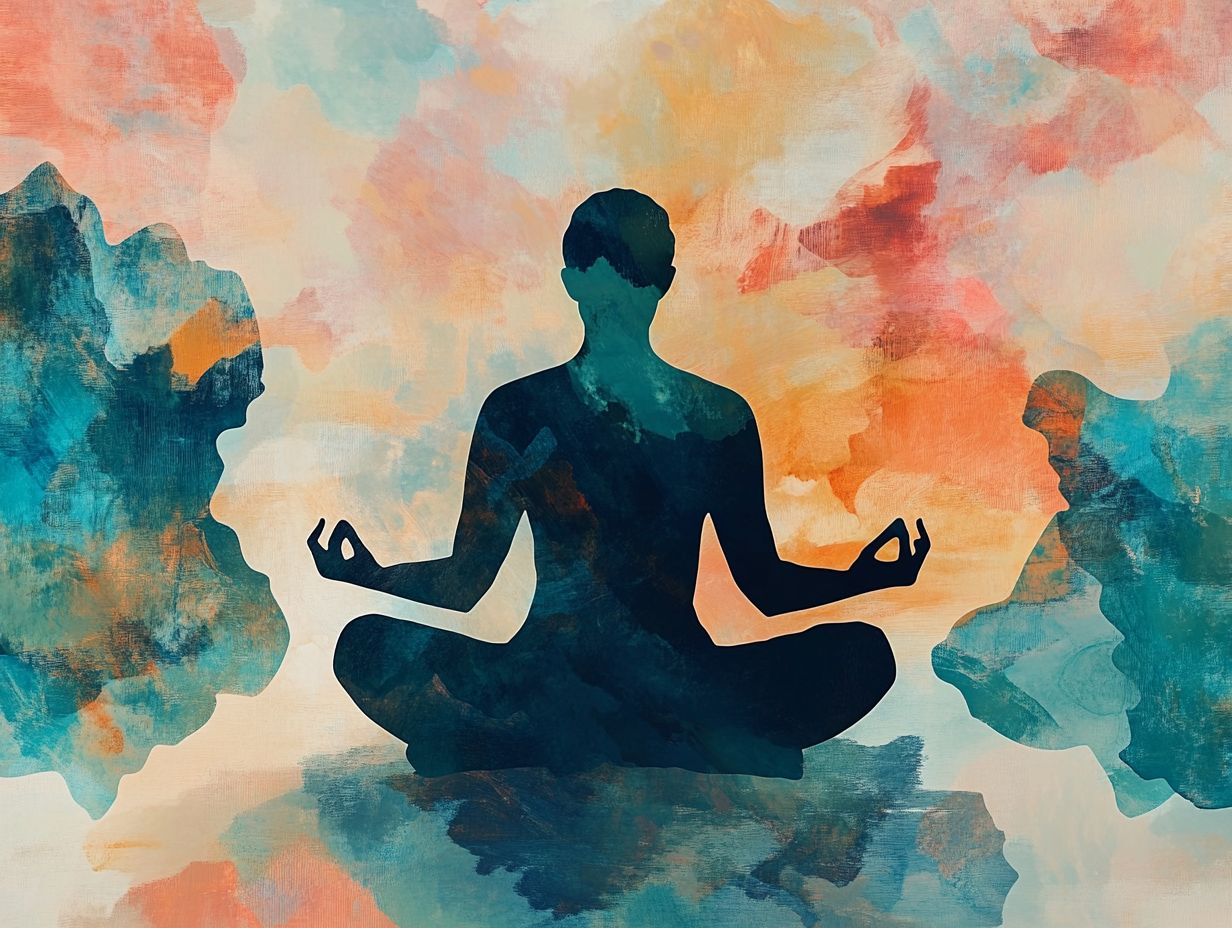
What are visualization techniques and how can they help me manage cancer stress?
Visualization techniques involve creating calming mental images to reduce stress and anxiety. By imagining peaceful scenes or positive health outcomes, you can relax your mind and body during cancer treatments.
How do I get started with visualization?
Begin by finding a quiet place and practicing deep breathing and muscle relaxation. Then, imagine a peaceful place or visualize your body healing and feeling strong. Start with just a few minutes daily and gradually increase the time as you feel comfortable.
Can visualization improve my physical health during cancer treatment?
While visualization is not a replacement for medical treatment, it can boost your emotional well-being and may support your body’s natural healing processes by reducing stress, which can positively affect your immune system.
Are there professionals who can help me learn visualization techniques?
Yes, many therapists and cancer support programs offer guidance in imagery therapy. Ask your healthcare team for recommendations to access specialized resources tailored for cancer patients.
How often should I practice visualization for best results?
Practicing visualization daily, even for 10 to 15 minutes, can help build a regular habit and provide ongoing stress relief throughout your cancer treatment and recovery.