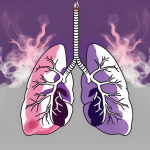
Making thoughtful lifestyle choices can significantly lower your risk of cancer and improve your overall well-being. By embracing a balanced diet rich in fruits and vegetables, maintaining regular physical activity, avoiding tobacco, and managing stress, you empower your body’s natural defenses against cancer. Early detection through recommended screenings boosts treatment success, and professional guidance can help tailor your prevention strategy. This comprehensive guide offers practical steps and trusted resources to help you proactively reduce your cancer risk and take charge of your health.
Understanding How Lifestyle Influences Cancer Risk

Your daily habits have a powerful impact on your cancer risk. Tobacco use, poor diet, physical inactivity, and exposure to harmful substances can increase your chances of developing cancer. Conversely, adopting healthy behaviors like following a Mediterranean-style diet, regular exercise, and avoiding tobacco can reduce this risk. If cancer runs in your family, or you have specific concerns, speaking with a healthcare provider can help personalize your prevention plan.
Common Cancer Risk Factors to Be Aware Of
Certain factors increase cancer risk, but many are within your control:
- Tobacco use and secondhand smoke exposure raise the risk of lung and other cancers.
- Environmental hazards such as radon gas can contribute to lung cancer risk.
- Infections from viruses like HPV (human papillomavirus) and Hepatitis B increase the chance of cancers; vaccines are available to protect against these.
Identifying these factors allows you to take informed actions, like quitting smoking or getting vaccinated, to lower your risk. For authoritative information, visit the American Cancer Society or the National Cancer Institute.
Effective Lifestyle Changes to Reduce Your Cancer Risk
Healthy Eating Habits

A Mediterranean diet rich in vegetables, fruits, whole grains, lean proteins, and healthy fats like olive oil has been linked to lower cancer rates. Incorporating foods such as berries, leafy greens, and cruciferous vegetables (like broccoli and kale) provides antioxidants and nutrients that help fight inflammation and protect cells. Aim to limit processed and red meats as well as excessive alcohol intake. The Mayo Clinic’s guide on cancer prevention diet offers practical advice for meal planning.
Regular Physical Activity

Engaging in at least 150 minutes of moderate exercise per week—such as brisk walking, cycling, or swimming—can reduce your risk of several cancers, including breast and colon cancer. Exercise helps maintain a healthy weight and supports immune function. Strength training a couple of times a week improves muscle mass and metabolism.
Avoiding Tobacco and Limiting Alcohol
Quitting smoking is one of the most impactful steps you can take. Tobacco is linked to numerous cancers throughout the body. Similarly, limiting alcohol consumption reduces your risk of liver, breast, and colorectal cancers.
Managing Stress and Getting Quality Sleep
Chronic stress and poor sleep can weaken your immune system and increase inflammation, potentially raising cancer risk. Practices like mindfulness meditation, yoga, or deep-breathing exercises can help manage stress. Prioritize 7–9 hours of restorative sleep each night by maintaining a consistent bedtime routine in a calm environment.
The Importance of Regular Cancer Screenings
Screenings detect cancer before symptoms appear, improving the chances of successful treatment. Depending on your age, sex, and family history, doctors may recommend mammograms, Pap smears, colonoscopies, or skin checks. For example, breast, cervical, and colorectal cancers have well-established screening guidelines. It’s a good idea to talk with your healthcare provider about which tests are appropriate for you and how often to schedule them. The CDC’s screening guidelines provide detailed information.
Recognizing Early Warning Signs
Learning the early signs of cancer can prompt a timely visit to your doctor. Symptoms like unexplained weight loss, persistent pain, changes in moles, unusual bleeding, or a persistent cough should never be ignored.
Seeking Support and Professional Guidance

Embarking on lifestyle changes can be challenging. Professional advice from healthcare providers, dietitians, or fitness coaches can create a plan tailored to your needs. Support groups, community programs, and online resources offer motivation and education to help keep you on track. For trustworthy support, explore programs through the American Cancer Society and local health organizations.
Frequently Asked Questions
How can I start reducing my cancer risk today?
Begin with small changes such as adding more fruits and vegetables to your meals, quitting smoking if you use tobacco, and incorporating moderate exercise into your routine. Consulting your healthcare provider can help create a personalized plan.
Why is a Mediterranean diet recommended for cancer prevention?
This diet emphasizes nutrient-rich whole foods, healthy fats, and antioxidants that protect cells and reduce inflammation, both of which are linked to lower cancer risk.
What types and amounts of exercise help reduce cancer risk?
Aim for at least 150 minutes of moderate aerobic activity weekly, like brisk walking, along with strength training exercises twice a week.
How often should I get cancer screenings?
Screening schedules depend on your age, gender, family history, and risk factors. Discuss with your healthcare provider to determine the best plan for you.
Are there specific stress management techniques that help reduce cancer risk?
Techniques like mindfulness meditation, yoga, deep breathing, and maintaining social connections may lower stress levels and support immune health.