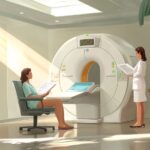
Starting chemotherapy can seem daunting, but knowing what to expect and how to prepare can make the experience much smoother. Chemotherapy uses powerful drugs to target cancer cells, and being informed about the process, possible side effects, and ways to care for yourself will empower you throughout your treatment journey. This guide walks you through everything from understanding chemotherapy basics to practical tips for your first session, so you feel confident and supported every step of the way.
Understanding Chemotherapy and Its Role in Cancer Treatment
Chemotherapy is a common cancer treatment that uses drugs to kill or slow the growth of cancer cells. These medicines target cells that divide quickly, which includes many cancer cells. However, chemotherapy can also affect healthy cells that divide rapidly, leading to side effects.
Your treatment plan will be tailored to your type of cancer and overall health. Sometimes chemotherapy is used alone, or it may be combined with surgery, radiation, or other therapies to enhance its effectiveness.
Chemotherapy drugs belong to different classes, such as alkylating agents, antimetabolites, and plant alkaloids. Your oncologist selects the best combination based on your diagnosis.
Knowing how chemotherapy works can help you prepare mentally and physically for treatment. Learn more from trusted cancer resources such as the National Cancer Institute.
How to Prepare for Your First Chemotherapy Session
Before your first session, it’s important to talk with your healthcare team about your medical history, medications, and any concerns you have. Understanding the treatment process lets you plan ahead and reduces anxiety.
When you arrive for chemotherapy, you will be in an infusion suite where you receive medications through a vein. Sessions can last from one to several hours depending on your regimen.
To prepare:
- Bring your medical records and a list of medications you take.
- Wear comfortable, loose-fitting clothing for ease during treatment.
- Pack items for comfort and entertainment, such as books, music, or a tablet.
- Consider bringing a support person to accompany you for emotional comfort and assistance.
Reading materials from credible sources like the Mayo Clinic can also provide helpful insights.
Gathering Emotional Support and Reliable Information
If you or a loved one is starting chemotherapy, reaching out for support can make a big difference. Try joining local cancer support groups or online communities where you can share experiences and ask questions.
Engaging with friends, family, or a counselor helps address the emotional challenges of treatment. Your oncology team can also provide referrals to support services. The National Cancer Institute’s coping resources offer practical strategies to build resilience.
Being informed reduces fear—make time to discuss possible side effects, diet, and treatment goals with your medical team before starting chemotherapy.
What to Expect During Chemotherapy Treatment
During chemotherapy, you will receive drugs through an IV in our infusion suite. The schedule and dosage depend on your specific treatment plan. Your medical team will monitor your vital signs and may draw blood to assess how your body is responding.
Common side effects include:
- Fatigue
- Nausea or vomiting
- Hair loss
- Lowered immunity increasing infection risk
Communicating openly with your care team about any symptoms helps manage side effects promptly.
Procedures and Side Effect Management
You’ll likely have routine blood tests to monitor for changes that need attention. Hydration is crucial before, during, and after chemo to help flush toxins—aim for at least 8 glasses of water daily unless your doctor advises otherwise.
If you experience nausea, your doctor may prescribe anti-nausea medications, which can prevent or reduce discomfort.
Taking Care of Yourself During Chemotherapy
Maintaining good nutrition and hydration helps your body cope with chemotherapy. Focus on eating nutrient-rich foods like lean proteins, whole grains, and plenty of colorful fruits and vegetables. Small, frequent meals may be easier to manage if you have nausea.
Rest is just as important—listen to your body and nap if needed. Gentle activity, such as walking or stretching, can help maintain strength and mood.
Comfort measures like wearing soft clothes or bringing a cozy blanket can also make your sessions more pleasant.
Mindfulness techniques, meditation, or journaling can support your emotional health during treatment.
Managing Chemotherapy Side Effects
Side effects vary by person and treatment but may include nausea, fatigue, and hair loss. Your healthcare team will guide you in managing these with medications and supportive care.
- Medications: Anti-nausea drugs, pain relievers, and occasionally antidepressants to help with mood changes.
- Coping strategies: Support groups, relaxation techniques, and mindfulness can improve your emotional resilience.
Never hesitate to discuss new or worsening symptoms with your medical team so they can adjust your care plan accordingly.
Frequently Asked Questions
What can I do to prepare for my first chemotherapy session?
Talk openly with your doctor about what to expect. Get a good night’s sleep, eat a light nutritious meal beforehand, arrange transportation, and bring all necessary medical documents. Preparing mentally by learning about your treatment will help ease anxiety.
Should I bring anything with me to my chemotherapy session?
Yes, bring snacks and water to maintain your energy. Pack entertainment like books or music and wear comfortable clothes. Bringing a supportive friend or family member can provide emotional comfort.
Are there any special precautions I should take before treatment?
Avoid wearing jewelry, contact lenses, or nail polish as they can cause irritation. Inform your medical team if you feel unwell before your appointment, as chemotherapy can weaken your immune system.
Will I experience side effects during my first chemotherapy session?
Some patients experience nausea, fatigue, or hair loss, but everyone is different. Your medical team will monitor you closely and can provide medications or support if side effects appear.
How can I make my chemotherapy session more comfortable?
Bring items such as a soft blanket or pillow and wear cozy clothing. Don’t hesitate to ask your nurses for extra comfort measures like snacks or warm blankets.
What should I expect after my first chemotherapy session?
Feeling tired or experiencing mild side effects like nausea is common. Follow your doctor’s instructions on medications and self-care to help manage symptoms. Rest and hydration are important.
Remember, your healthcare team is your partner—never hesitate to ask questions or share your concerns throughout your treatment journey.