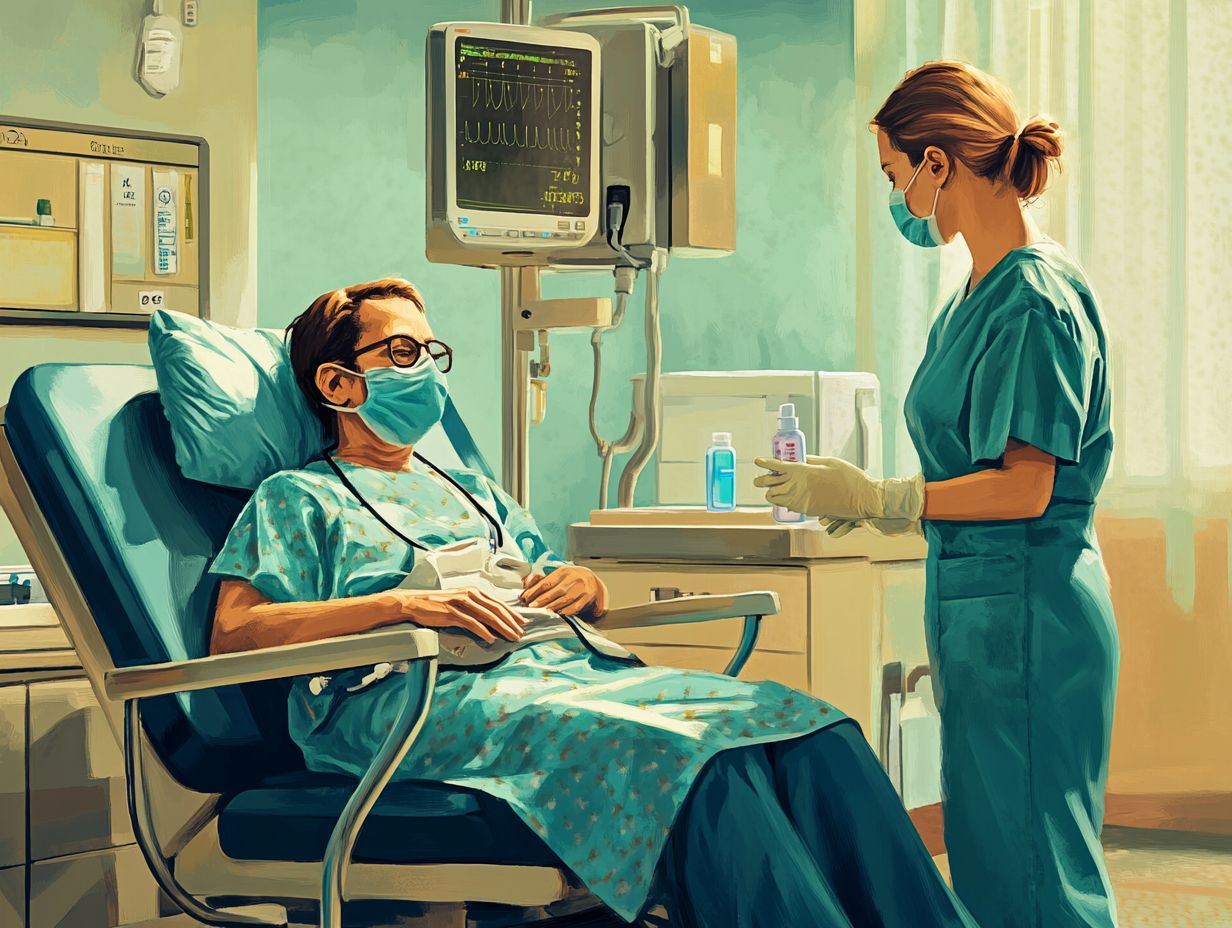
Undergoing cancer treatment can make your body more vulnerable to infections because therapies like chemotherapy and radiation lower your immune defenses. While this may sound worrying, understanding how infections occur, recognizing early warning signs, and practicing simple protective measures can help you stay safe and support your treatment. This guide walks you through practical steps to minimize infection risks and keep your recovery on track.
How Cancer Treatment Affects Your Body’s Infection Defenses
Chemotherapy and radiation target rapidly dividing cells, including those in your bone marrow which produce white blood cells essential for fighting infections. This can lead to neutropenia, a condition where the number of infection-fighting white blood cells (neutrophils) drops, making it harder for your body to ward off germs.
If you’re undergoing treatment, your healthcare team will regularly monitor your blood counts to detect neutropenia early. They may adjust your treatment or prescribe medications to boost your immune system when needed. Being aware of this connection helps you stay vigilant about infection risks.
Learn more about how chemotherapy affects your infection risk on the National Cancer Institute’s Chemotherapy and Infections page.
Common Types of Infections During Cancer Care
When your immune system is weakened, you become more susceptible to various infections. The most common include:
- Bacterial infections: pneumonia, bloodstream infections
- Viral infections: flu (influenza), herpes simplex
- Fungal infections: oral thrush, or more serious systemic fungal infections
These infections can develop quickly, so it’s important to recognize symptoms early—such as fever, cough, or unusual fatigue—and contact your cancer care team immediately for treatment.
Simple, Effective Ways You Can Prevent Infections
You play an essential role in protecting yourself during cancer treatment. Here are practical steps you can start today:
- Wash your hands frequently with soap and water, especially before eating or touching your face.
- Avoid crowded places and stay away from anyone who is unwell.
- Keep your environment clean by regularly disinfecting surfaces you touch often.
- Get vaccinated for influenza, COVID-19, and any other vaccines your doctor recommends. Your healthcare provider can help determine the best timing for vaccination during your treatment.
- Practice safe food handling: avoid raw or undercooked meats, unwashed fruits, and potentially risky foods that can cause illness.
Sometimes, your medical team might suggest additional protective measures like wearing masks or taking medications to prevent infections, especially when your white blood cell counts are very low.
For more detailed prevention tips, visit the Centers for Disease Control and Prevention’s guide on infection prevention during cancer treatment.
Knowing When to Seek Medical Help for Infections
It’s vital to watch for early signs of infection and contact your healthcare provider promptly. Call your doctor if you experience:
- A fever of 100.4°F (38°C) or higher
- Chills or sweating
- Cough, shortness of breath, or chest pain
- Unusual tiredness or weakness
- New or worsening pain
- Sores or redness, particularly around wounds or medical devices
Some symptoms require emergency care, such as sudden confusion, severe chest pain, or a very fast heartbeat. Early infection treatment can prevent serious complications and keep your cancer treatment on schedule.
Supporting Your Immune System Throughout Treatment
While you cannot completely eliminate infection risk, you can strengthen your natural defenses by:
- Eating a well-balanced diet rich in fruits, vegetables, and lean proteins
- Engaging in gentle physical activity as your doctor advises
- Managing stress through relaxation techniques or support groups
Always discuss with your healthcare team before starting any new diet or exercise plans to ensure they suit your specific treatment and health status.
Frequently Asked Questions
How can I best reduce my infection risk during cancer treatment?
Maintaining good hand hygiene, avoiding contact with sick individuals, staying up to date on vaccines, and closely following your healthcare team’s advice are key ways to protect yourself.
Are there special precautions if I’m receiving chemotherapy or a stem cell transplant?
Yes, you may need to avoid certain foods, wear masks, and limit exposure to crowds or ill people during periods of low white blood cells. Your care team will provide specific instructions.
What symptoms should make me call my doctor right away?
Any fever, chills, cough, difficulty breathing, new fatigue, or unexplained symptoms should prompt you to contact your medical team without delay.
Will vaccines help protect me during cancer treatment?
Vaccines are important but must be timed appropriately according to your treatment. Your doctor will guide you on which vaccines are safe and effective for you.
What should I do if I develop signs of an infection?
Contact your healthcare provider immediately. Prompt treatment can prevent infections from becoming serious and interfering with your cancer care.
For more trusted information, check the Mayo Clinic’s infection prevention guide or watch expert videos from Cancer Research UK.
Remember, by staying informed and proactive, you are empowering yourself to minimize infection risks while undergoing cancer treatment. Your healthcare team is here to support you every step of the way, so never hesitate to reach out with questions or concerns.