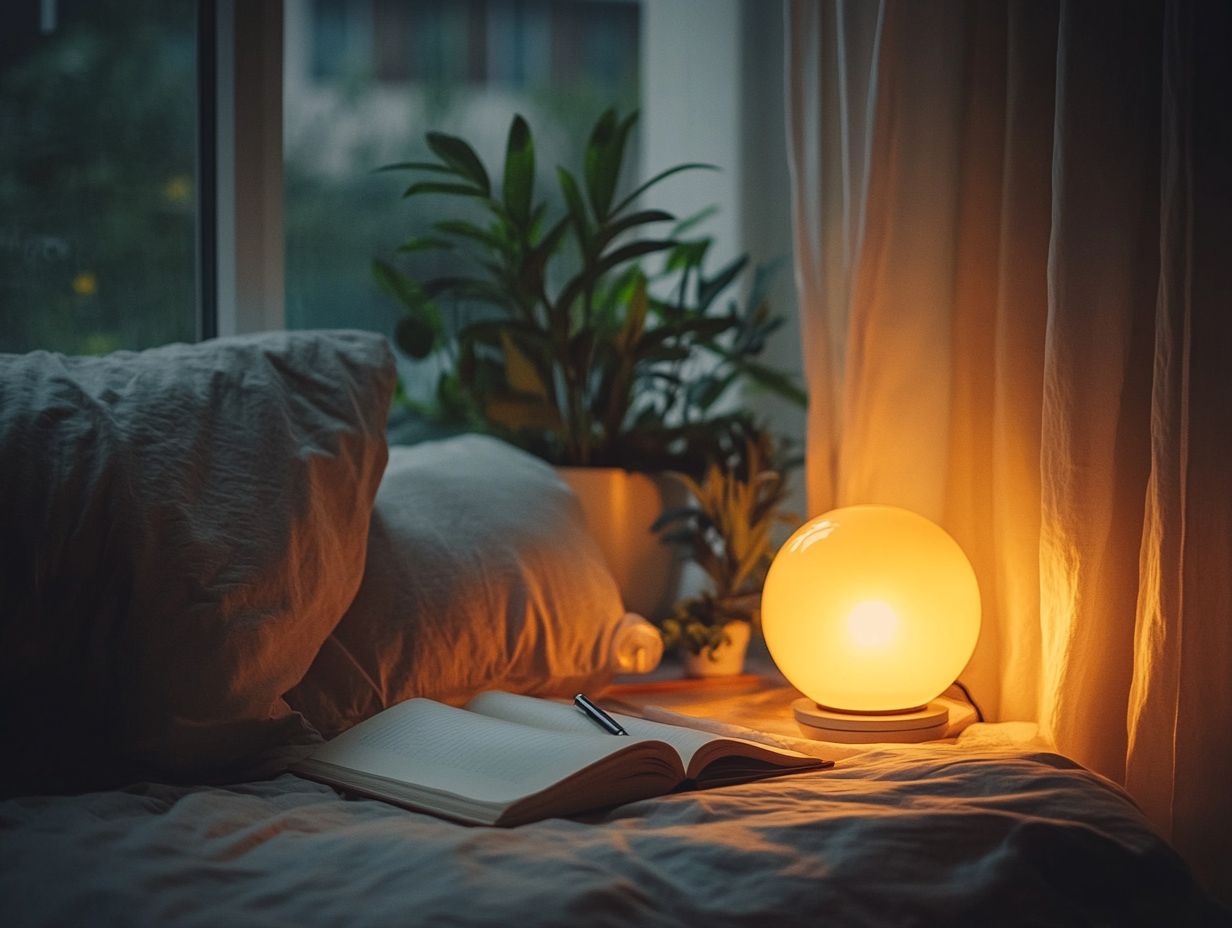
Struggling with sleep problems during cancer treatment is common, but improving your rest is essential for healing and feeling better. Cancer therapies and their side effects can disrupt your sleep, leading to fatigue and emotional stress, yet simple changes to your routine and environment can make a big difference. This guide offers practical strategies and complementary therapies to help you sleep more soundly, support your recovery, and improve your quality of life during treatment.
Understanding Sleep Challenges During Cancer Treatment
Cancer treatments like chemotherapy, radiation, and medications can affect how well you sleep. Pain, nausea, anxiety, and medication side effects often make it hard to fall asleep or stay asleep. Sleep problems may increase fatigue and emotional distress, which can affect your ability to cope with treatment. Recognizing these challenges is the first step in finding solutions personalized for your situation.
Why Quality Sleep Matters for Your Health
Quality sleep is more than just rest—it helps your body repair damaged cells, boosts your immune system, and supports mental well-being. When you sleep well, you’re better equipped to handle treatment side effects and maintain your strength. Since your body needs extra care during cancer therapy, prioritizing sleep supports both your recovery and your emotional health.
Common Sleep Issues You Might Encounter
You might experience insomnia (difficulty falling or staying asleep), restless leg syndrome (uncomfortable urges to move your legs at night), or sleep apnea (pauses in breathing). These conditions can keep you awake or reduce your sleep quality. If you notice frequent awakenings, difficulty sleeping, or daytime fatigue, it’s important to address these symptoms as part of your care plan.
Practical Tips to Improve Your Sleep Tonight
You can take steps today to create better sleep habits:
– Stick to a consistent bedtime and wake-up schedule, even on weekends.
– Make your bedroom dark, cool (between 60-67°F or 15-19°C), and quiet; consider using white noise machines or fans.
– Limit caffeine and alcohol, especially in the afternoon and evening.
– Try gentle physical activity during the day, like walking or stretching, but avoid heavy exercise before bedtime.
– Develop a calming pre-sleep routine, such as reading, deep breathing, or listening to soothing music.
– Avoid heavy meals close to bedtime.
Complementary Therapies That Can Help
Many patients find additional relief through therapies such as:
– Meditation and mindfulness to soothe anxiety and promote relaxation.
– Acupuncture, which may reduce pain and improve sleep quality.
– Aromatherapy, like lavender oil, to create a calming atmosphere.
– Gentle yoga to relax muscles and ease tension.
These approaches can often be combined safely with medical treatments but always discuss them with your healthcare team before starting.
When to Seek Professional Support
If sleep disturbances persist despite trying these strategies, or if you have symptoms like severe insomnia, loud snoring, or daytime sleepiness, talk with your doctor or a sleep specialist. They may recommend therapies such as cognitive behavioral therapy for insomnia (CBT-I), medications, or other interventions tailored to your needs. Sleep clinics and oncology support services can also provide valuable resources.
Additional Resources
For further trusted information, you may find these resources helpful:
– National Cancer Institute’s guide on [Sleep and Cancer](https://www.cancer.gov/about-cancer/coping/feelings/sleep)
– Mayo Clinic’s overview of [Tips for Better Sleep](https://www.mayoclinic.org/healthy-lifestyle/adult-health/in-depth/sleep/art-20048379)
– Cancer Research UK’s video on [Managing Sleep Problems During Cancer](https://www.youtube.com/watch?v=mIg59_2UiBE)
Frequently Asked Questions
**How can I improve my sleep during cancer treatment?**
Try to maintain a regular sleep schedule, keep your bedroom cool and dark, limit caffeine and alcohol, establish a relaxing bedtime routine, and use relaxation techniques like meditation or deep breathing. If you continue to struggle, ask your doctor about sleep therapies or referral to a specialist.
**Why is sleep so important while undergoing cancer treatment?**
Sleep helps your immune system fight cancer and infections, repairs body tissues, and supports emotional well-being. Good sleep can also reduce treatment side effects like fatigue and depression, improving your overall quality of life.
**What should I do if pain is keeping me awake?**
Discuss pain management options with your healthcare team. They may adjust medication or suggest non-drug methods such as warm baths, relaxation exercises, or physical therapy to help ease discomfort and improve sleep.
**How can I manage hot flashes that disrupt my sleep?**
Keep your sleeping area cool, wear breathable clothing, and use fans or cooling pillows. Let your doctor know if hot flashes are severe; they might recommend hormone therapy or other medications to help.
**Is it normal for my sleep patterns to change during cancer treatment?**
Yes, it’s common to experience changes like trouble falling asleep or staying asleep during treatment due to stress and side effects. If sleep problems persist or worsen, consult your healthcare provider for support.
Improving sleep during cancer treatment is a vital and manageable part of your care. By making small adjustments and seeking help when needed, you can enhance your rest, support healing, and improve how you feel each day.