Improving your diet after a cancer diagnosis can significantly influence your treatment outcomes and overall recovery. A nutrient-rich diet supports your body by providing essential proteins, fats, vitamins, and minerals, which help manage treatment side effects and enhance recovery.
Understanding the role of diet in cancer can empower you to make informed dietary choices that positively impact your health and improve your quality of life.
A healthy diet can aid in reducing inflammation, improving immune function, and promoting cell health. Key nutrients like protein, vitamins C and D, calcium, and omega-3 fatty acids play crucial roles in supporting your body during treatment.
Incorporating recommended foods such as fruits, vegetables, whole grains, and healthy fats into your meal plan can provide the necessary nutrients to support your recovery.
Consulting with a registered dietitian, such as Lisa Statner, MS, RDN, from the USC Norris Comprehensive Cancer Center, to tailor your diet to your specific needs, managing treatment side effects, and considering dietary restrictions are essential steps in ensuring adequate nutrition during your cancer journey.
Proper hydration, food safety practices, including avoiding Listeria, and possibly the use of dietary supplements under professional guidance can also contribute to maintaining a balanced and healthy diet during treatment.
Key Takeaways:
Understanding the Role of Diet in Cancer
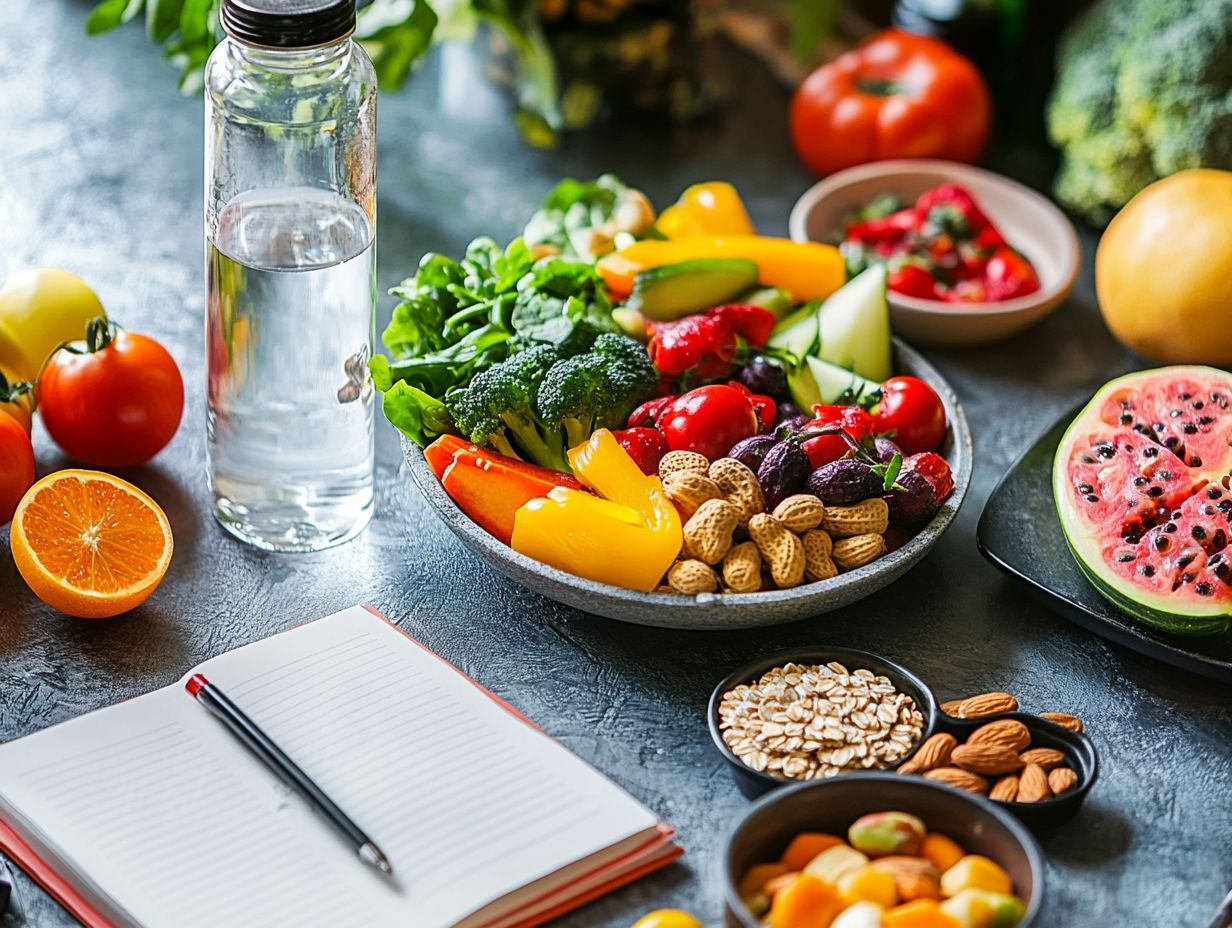
Diet plays a significant role in cancer by influencing treatment outcomes and recovery, as emphasized by healthcare experts, including the American Cancer Society and Mayo Clinic.
A nutrient-rich diet supports cancer patients by providing proteins, fats, and antioxidants that aid in managing treatment side effects and enhancing recovery.
Dietary choices, such as avoiding processed meat and adopting a plant-based diet, can affect the effectiveness of cancer treatments and help in cancer prevention.
How Diet Can Affect Cancer Risk and Treatment
Diet affects cancer risk and treatment by influencing inflammation and cell health.
Eating processed meat and high-sugar foods increases cancer risk, while fruits, vegetables, and whole grains can reduce risk and support treatment.
Compounds in certain foods may possess cancer-fighting properties.
Consulting with an oncology dietitian can help tailor a diet that complements cancer treatment.
Key Nutrients for Cancer Patients
Key nutrients for cancer patients include protein, vitamins, minerals, and healthy fats.
Protein helps maintain muscle mass and strength.
Vitamins such as vitamin C and vitamin D enhance immune function.
Minerals like zinc and selenium support overall health and recovery.
Healthy fats, such as omega-3 fatty acids, reduce inflammation and support cell health.
Essential Vitamins and Minerals
Essential vitamins and minerals for cancer patients include:
- Vitamin D
- Vitamin C
- Calcium
- Iron
Vitamin D supports cell growth and immune function, found in fatty fish and fortified dairy.
Vitamin C boosts immunity and aids iron absorption, found in citrus fruits and bell peppers.
Calcium strengthens bones, found in leafy greens and dairy products.
Iron prevents anemia, found in lean meats and legumes.
These nutrients support recovery and symptom management during cancer treatment.
Recommended Foods for Cancer Patients
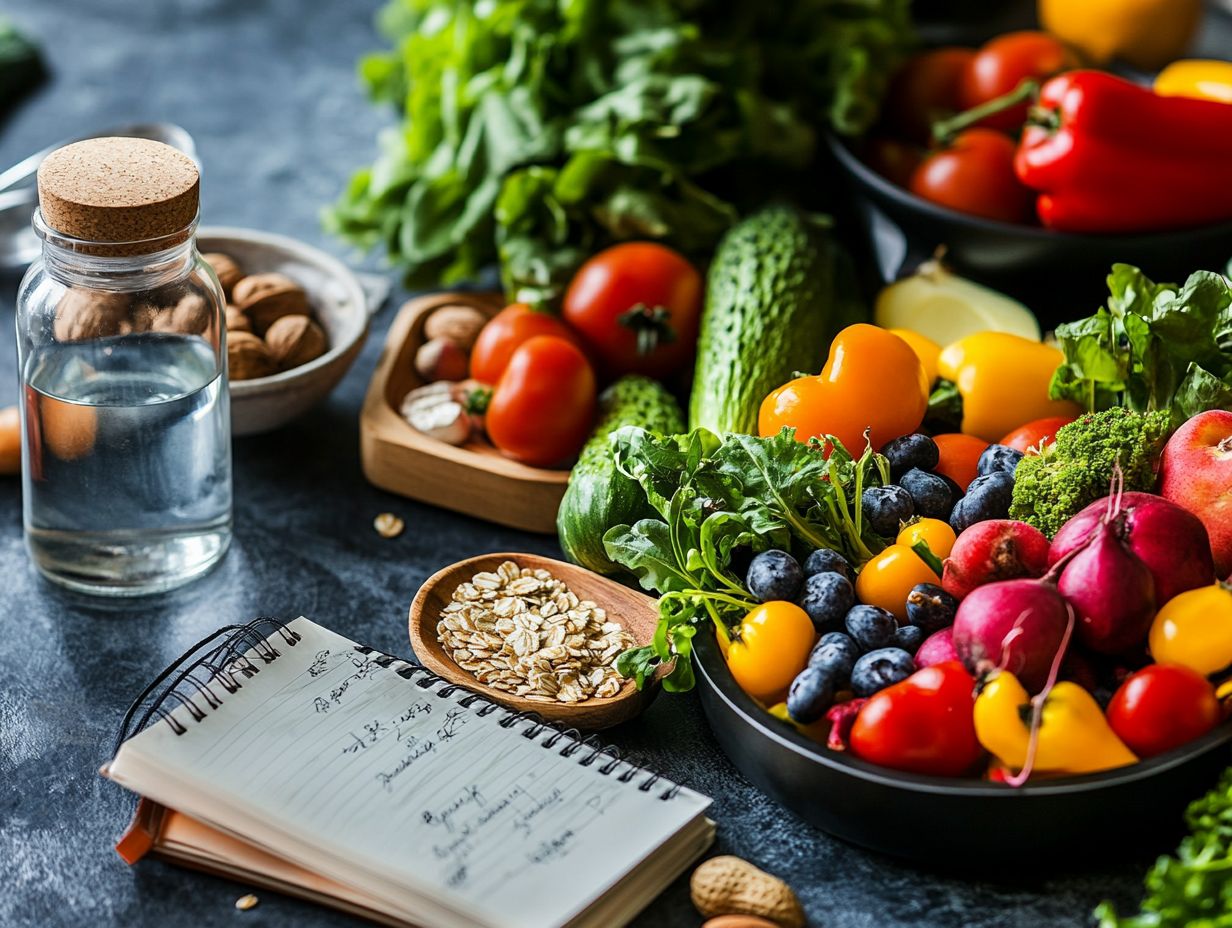
Recommended foods for cancer patients include fruits, vegetables, whole grains, and healthy fats.
Fruits like berries and apples provide antioxidants, while vegetables like broccoli and spinach offer essential nutrients that are crucial for combating inflammation and supporting cancer treatment.
Whole grains such as quinoa and brown rice provide fiber and energy, and healthy fats like those in fish and nuts supply omega-3 fatty acids, which are vital in reducing inflammation and promoting recovery.
Healthy and Nutritious Options
Healthy and nutritious options for cancer patients include foods that support hydration and provide essential nutrients during treatment.
Options include smoothies with fruits, vegetables, and protein for nutrient intake, which can be beneficial in managing appetite and maintaining energy levels during chemotherapy.
Quinoa salads with leafy greens and nuts offer vitamins and fiber.
- Snacks like yogurt with berries or hummus with carrot sticks are nutritious and easy to prepare.
Hydration is vital; water infused with citrus or cucumber can help.
Meal Planning for Cancer Patients
Meal planning for cancer patients focuses on meeting dietary needs, managing treatment symptoms, and maintaining a balanced diet.
Incorporating nutrient-dense foods like fruits, vegetables, lean proteins, and whole grains helps enhance energy levels, manage symptoms, and improve recovery during cancer treatment.
Personal preferences and dietary restrictions must be considered to support overall well-being during treatment.
Tips for Creating a Balanced Diet Plan
Creating a balanced diet plan involves incorporating fruits, vegetables, whole grains, and lean proteins to meet nutritional needs.
Ensuring adequate hydration supports bodily functions and helps alleviate side effects.
Food safety practices, such as washing produce and cooking meats thoroughly, reduce the risk of infections.
Including nutrient-dense foods helps to promote health and recovery.
Special Considerations for Cancer Patients
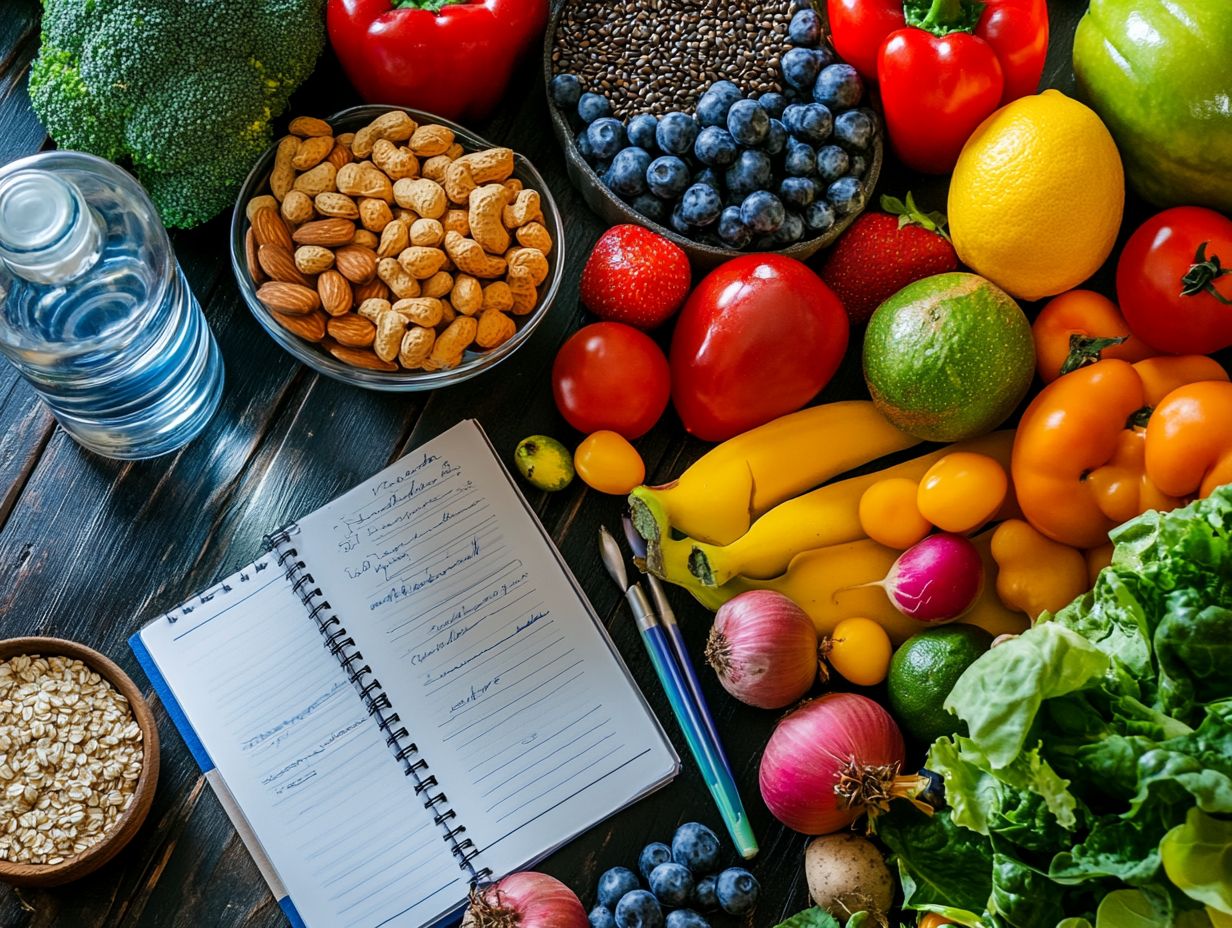
Cancer patients require special considerations, including managing treatment side effects, such as food aversions, and adhering to dietary restrictions.
Cancer treatment side effects often include nausea and appetite loss, necessitating tailored diets to ensure nutrient intake.
Cancer patients should focus on high-calorie, high-protein foods to maintain energy levels and support recovery.
Dealing with Side Effects and Dietary Restrictions
Cancer treatment side effects like nausea and appetite changes require dietary adjustments for adequate nutrition.
Small, frequent meals and lighter options like soups or smoothies help manage side effects.
Herbs and spices, such as ginger, enhance flavor and reduce nausea.
Soft or pureed foods improve meal manageability.
Proper hydration through broths or flavored waters is essential during treatment.
Supplements for Cancer Patients
Supplements for cancer patients can provide essential nutrients when dietary intake is inadequate.
Common supplements for cancer patients include:
- Vitamins
- Minerals
- Protein powders
But usage should be supervised by healthcare professionals to avoid interactions with treatments.
Consult healthcare providers, such as Dawn Mussallem, D.O., to ensure safety and efficacy before incorporating supplements, especially during chemotherapy and radiation therapy.
Do’s and Don’ts for Supplement Use
For supplement use by cancer patients, do consult a healthcare provider before starting any supplements. Do choose supplements verified by third-party organizations for safety.
Do not use supplements as a replacement for whole foods. Do not ignore potential interactions with cancer treatments.
Maintain open communication with healthcare providers to ensure safe and effective use of supplements alongside treatment.
Frequently Asked Questions

What is the importance of improving my diet after a cancer diagnosis?
Improving your diet after a cancer diagnosis is crucial because it can help boost your immune system, fight off cancer cells, and improve your overall health and well-being, ultimately aiding in better treatment outcomes and enhancing your lifestyle.
How can I improve my diet after a cancer diagnosis?
First, consult with a registered dietitian to create a tailored diet plan based on your specific needs. Incorporate a variety of fruits, vegetables, whole grains, and lean proteins into your diet. Limit your intake of processed foods, red meat, and sugary drinks.
Are there specific foods that can help during cancer treatment?
Yes, there are certain foods that can help support your body during cancer treatment. These include nutrient-dense foods like leafy greens, berries, fatty fish, and nuts. These foods provide essential vitamins, minerals, and antioxidants that can aid in the healing process.
What should I avoid eating after a cancer diagnosis?
Avoid processed and high-fat foods, as well as foods high in added sugars and sodium. These foods can weaken your immune system and contribute to inflammation in the body, which can hinder your recovery from cancer treatment.
Can supplements help improve my diet after a cancer diagnosis?
Consult with your doctor before taking any supplements, as they may interact with your cancer treatment. In general, it’s best to get nutrients from whole foods rather than relying on supplements.
How can I maintain a healthy weight while undergoing cancer treatment?
Eating a balanced diet and staying physically active can help you maintain a healthy weight during cancer treatment. It’s important to fuel your body with nutritious foods and engage in moderate exercise, if possible. Consult with your healthcare team for personalized recommendations.