Losing your hair can deeply affect how you feel about yourself, impacting your mental health, confidence, and how you see your own image. While this experience can be tough, understanding the emotional challenges and learning practical ways to cope can make a big difference. From using hairpieces to seeking counseling or mindfulness techniques, there are many strategies to help you manage both the physical changes and the feelings that come with hair loss. This guide will walk you through effective ways to handle these emotional impacts and find the support you need.
The Emotional Impact of Losing Hair
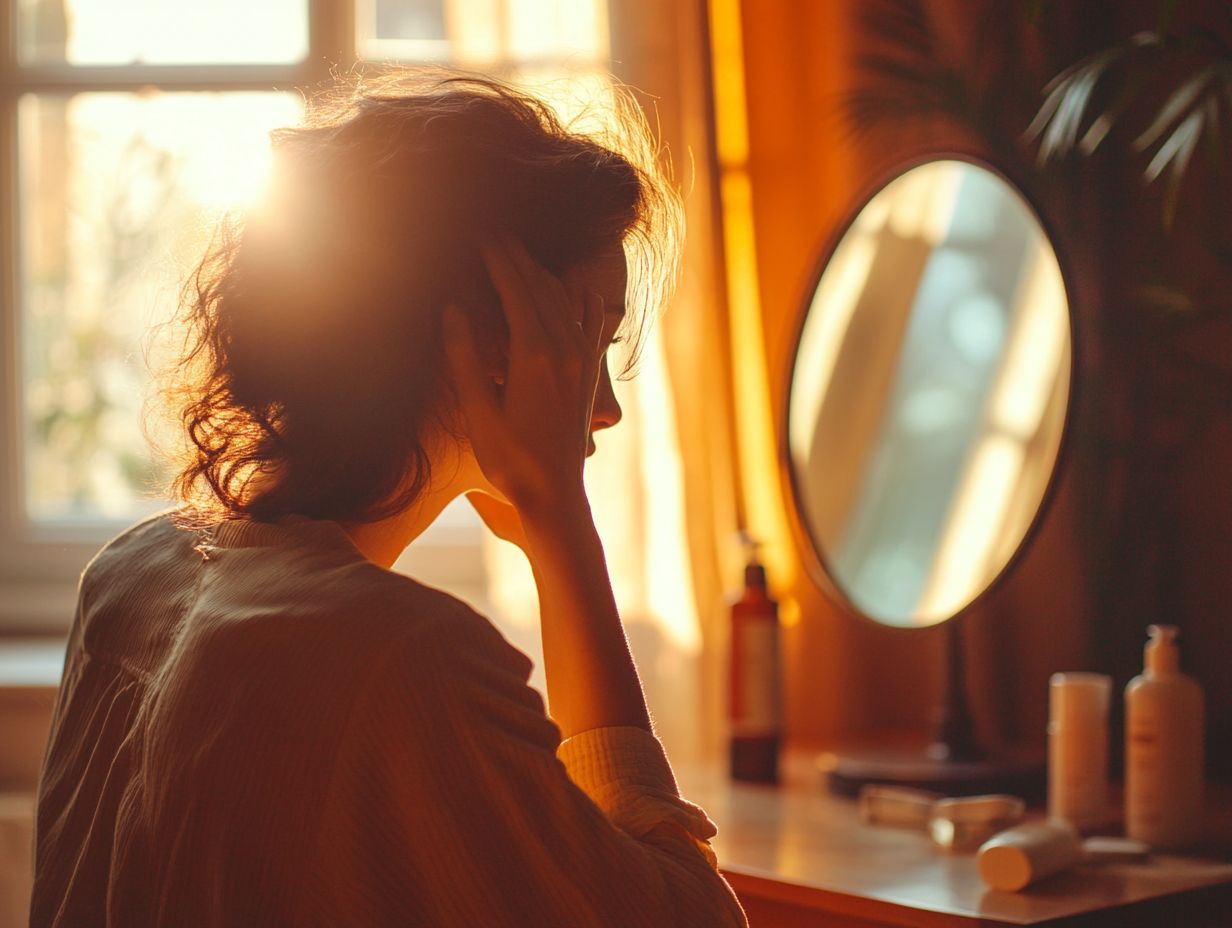
When you lose hair, it’s not just about appearance—it can affect your mental health and how you feel about yourself. Many people experience sadness, anxiety, or lowered self-esteem because hair often plays a big role in identity and confidence. Some may develop conditions like body dysmorphic disorder, where there’s intense worry about perceived flaws in appearance, fueled by social pressure.
Recognizing these feelings as normal can help you take the right steps toward coping and healing.
Understanding How Hair Loss Affects You Emotionally
You might find yourself feeling anxious or even withdrawing socially because you’re worried about what others think. This can affect your relationships and daily life. Remember, these emotional reactions are common, and addressing them with the right support matters for your overall well-being.
Practical Ways to Cope with Hair Loss
Facing hair loss means dealing with changes both physically and emotionally. You have several options to help you feel more comfortable and regain confidence:
- Hairpieces or Wigs: These can help you feel more like yourself and provide a quick way to change your look.
- New Hairstyles: Trying different styles can make a positive difference in how you see yourself.
- Medical Treatments: Options like minoxidil or finasteride may slow hair loss or encourage regrowth, but it’s best to discuss these with your doctor to understand what’s right for you.
Emotional Support Strategies That Work
Beyond physical treatments, caring for your emotional health is key. Techniques that can help include:
- Cognitive Behavioral Therapy (CBT): This approach helps you change negative thinking patterns related to your appearance.
- Mindfulness Practices: Activities like meditation and deep breathing can reduce stress and help you focus on the present.
- Support Groups: Connecting with others who understand what you’re going through can provide comfort and reduce feelings of isolation.
These methods have proven helpful in lowering anxiety and improving self-esteem, which supports your mental resilience during this difficult time.
Finding the Right Support For You

Don’t hesitate to reach out for help. Friends, family, counselors, or healthcare professionals can provide the emotional support and understanding you need. Sharing your feelings helps break isolation and builds a sense of community. Whether you speak openly or prefer quiet support, you deserve to have people by your side as you navigate hair loss.
Dealing with Negative Self-Image
Hair loss can sometimes make you focus too much on what you’ve lost rather than your strengths. Practicing self-compassion—being kind to yourself—and challenging negative thoughts can help. Many find it useful to work with a psychologist or join support groups where you can rebuild self-confidence.
Engaging in hobbies, exercising, and maintaining a healthy lifestyle also contribute to a positive self-image and overall well-being.
Managing Stress and Anxiety During Hair Loss

Stress doesn’t just affect your mind—it can actually worsen hair loss by disturbing the natural hair growth cycle and triggering conditions like telogen effluvium. That’s why managing stress is a vital part of coping.
You can try:
- Mindfulness and Meditation: Helps calm anxious thoughts by focusing on the present moment.
- Relaxation Techniques: Practices such as deep breathing and progressive muscle relaxation ease tension in the body.
- Professional Therapy: Therapists can guide you through anxiety management and sometimes recommend medications if needed.
Maintaining a regular routine including adequate sleep and exercise can build your resilience over time.
Exploring Medical and Non-Medical Treatment Options
Depending on your situation, you may consider several treatment routes that address both hair loss and its emotional effects:
Medical Treatments
- Hair Transplants: Surgical option moving hair follicles to thinning areas.
- Minoxidil: A topical medication that can encourage hair growth.
- Finasteride: An oral medication that slows hair loss in many cases.
Non-Medical Support
- Counseling to process emotions and build coping skills.
- Support groups for sharing experiences and gaining encouragement.
Combining these approaches often gives the best results. Always consult healthcare professionals like dermatologists or mental health specialists to tailor the best plan for you.
Frequently Asked Questions
What emotions might I feel when losing hair?
It’s normal to experience a range of feelings such as sadness, frustration, anxiety, or loss of confidence. Everyone’s journey is unique, so be patient with yourself.
How can I prepare emotionally for hair loss?
Accepting your feelings and seeking support from loved ones or professionals can make a big difference. Joining support groups or counseling sessions helps many people cope better. Remember, you don’t have to face it alone.
What are some ways to boost my confidence despite hair loss?
Experiment with new hairstyles, scarves, or wigs to find what makes you feel good. Focusing on your talents and qualities beyond appearance also strengthens self-esteem. Positive affirmations and mindfulness help reinforce your self-worth daily.
How do I talk to others about my hair loss?
You decide who you want to tell and when. Being open can foster understanding, but it’s okay to keep this private if you prefer. If you choose to talk, prepare what you want to say, and remember hair loss is common and nothing to be ashamed of.
Where can I find resources to help with the emotional impact of hair loss?
Many online communities, counseling services, and educational sites are here to help. You can check resources such as the National Cancer Institute’s hair loss resources and support organizations. Your healthcare provider can also recommend local support groups and specialists.