Facing changes in your appearance during cancer treatment can be deeply challenging, affecting both how you look and how you feel. Treatments like chemotherapy and surgery often bring hair loss, weight shifts, and skin changes that impact your self-esteem and body image. This guide helps you understand these changes, offers practical strategies for coping, and highlights ways you can nurture your emotional health and confidence throughout your cancer journey.
Understanding How Cancer Treatments Affect Your Appearance

Cancer treatments, including chemotherapy, surgery, and reconstructive procedures, can cause visible changes such as hair thinning or loss, fluctuations in weight, and skin changes like dryness or discoloration. For instance, some blood cancers may affect skin texture, while surgeries might lead to scars or the need for a stoma. These physical changes are a normal part of many treatment plans but can be difficult to accept.
You might notice that your body looks different in ways that make you feel vulnerable or less like yourself. Dr. Nicolette M. Bernhardt from Northwestern Medicine explains that these changes often impact how patients see themselves, which is closely tied to emotional well-being and self-confidence. Recognizing this connection is the first step to managing your feelings.
Emotional Impact: Navigating Grief, Anxiety, and Self-Confidence
It’s completely natural to experience a range of emotions from sadness and grief to anxiety and insecurity when your appearance changes during treatment. These feelings can sometimes lead to lowered self-esteem or even depression, affecting your relationships and social life.
If you find yourself struggling, know that you’re not alone. Many people share these experiences, and it’s important to express what you’re going through. Therapy sessions create a safe space for you to talk openly, work through complex emotions, and regain a sense of control. Techniques like journaling or mindfulness meditation can also help you process your feelings and promote self-acceptance.
Practical Ways to Cope with Appearance Changes
Connecting with others facing similar challenges can be incredibly comforting. Support groups—whether in person or online—offer a place to share your story, exchange tips, and receive encouragement. Organizations like the American Cancer Society provide resources tailored to different needs, including groups for young adults or caregivers.
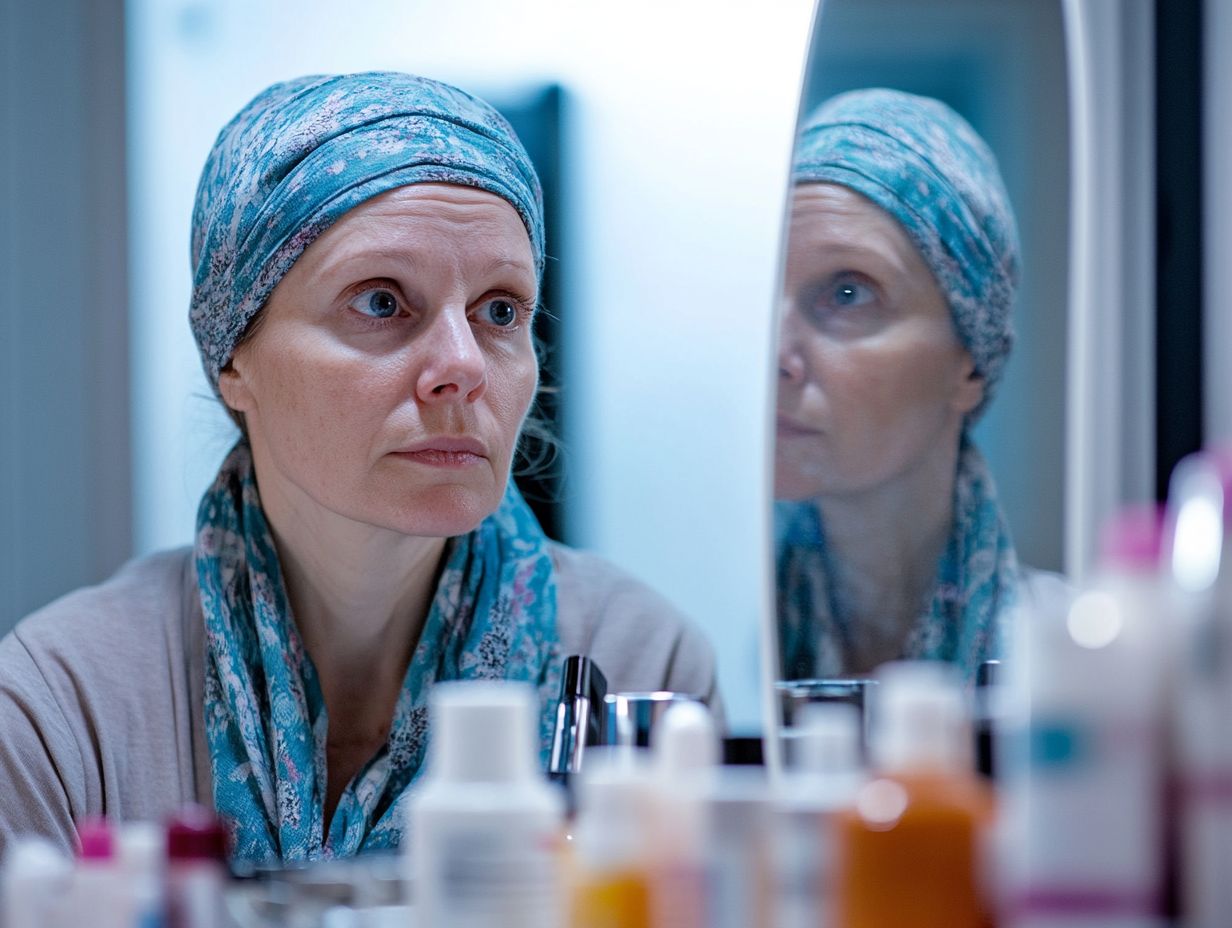
Professional counseling can help you develop personalized strategies to adjust emotionally and mentally. Meanwhile, adapting your beauty routine may empower you to rediscover confidence. For example, wearing elegant scarves or exploring stylish wigs can transform your look and help you express your identity. Using gentle skincare products enriched with vitamins can soothe sensitive skin and restore a healthy glow.
Communicating About Changes in Appearance
Open conversations with your loved ones and healthcare team are key to feeling supported. Sharing your feelings about appearance changes, intimacy, or self-esteem can deepen your relationships and reduce feelings of isolation. Before these talks, it may help to jot down your thoughts or questions. Encouraging honest dialogue and practicing active listening on all sides fosters empathy and understanding.
The Importance of Self-Care and Self-Acceptance
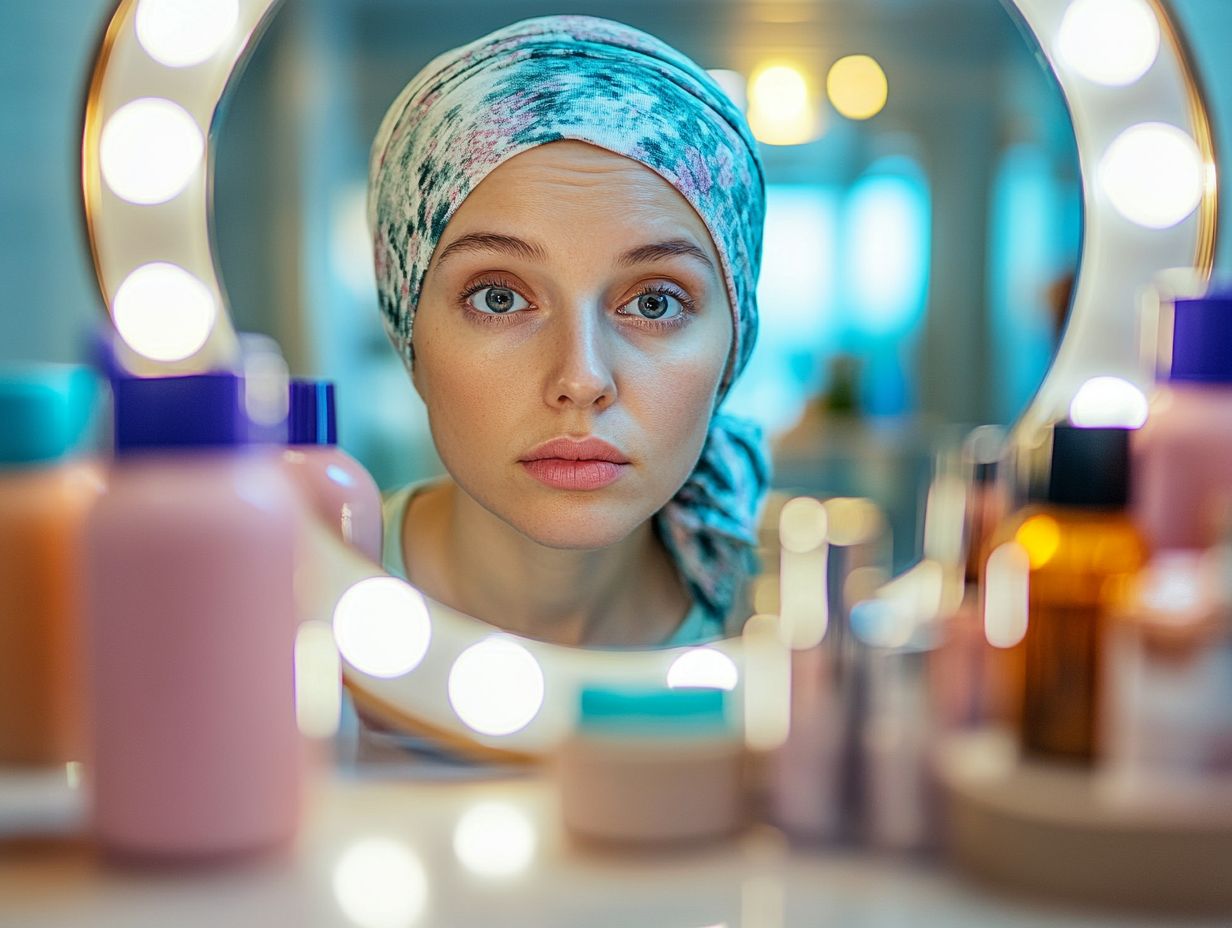
Taking care of yourself emotionally and physically is vital during this time. Practicing self-love through daily affirmations, journaling, or engaging in activities that bring you joy can build resilience. Techniques like deep breathing, meditation, or gentle exercise can reduce stress and improve mood.
Remember, self-acceptance doesn’t mean ignoring your feelings—it means valuing yourself fully despite the changes. This mindset is crucial for rebuilding self-esteem and finding peace within your new normal.
Additional Support for Conditions Impacting Appearance
If you experience conditions like lymphoedema or need a stoma, these can add to the challenges of coping with changes in appearance and self-esteem. Specialized support and coping techniques are available to help manage these physical effects, and your healthcare team can guide you to appropriate resources.
Helpful Resources and Where to Find Them
Frequently Asked Questions
What appearance changes should I expect during cancer treatment?
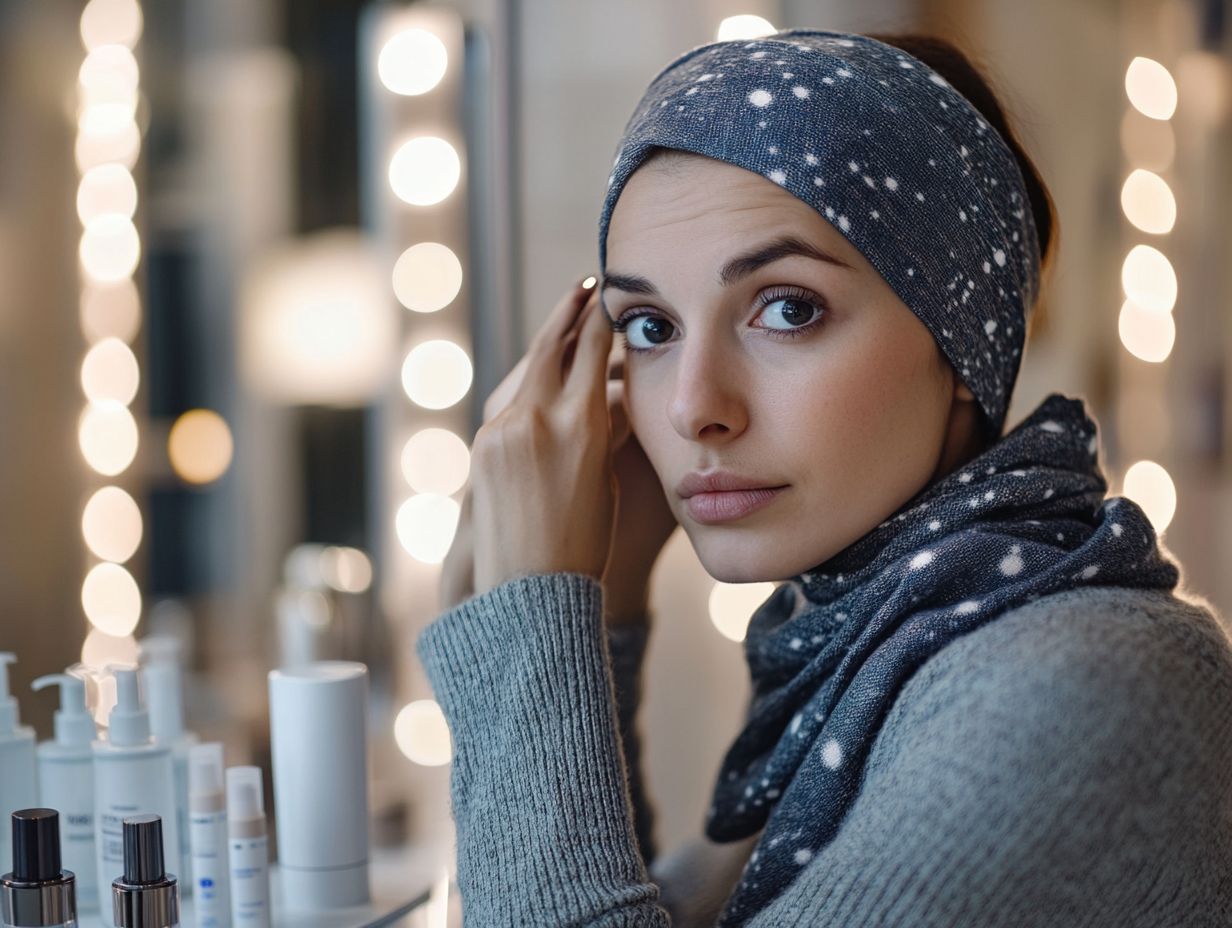
Common changes include hair loss, skin dryness or discoloration, weight fluctuations, and scars from surgery. These effects vary depending on your treatment type and individual response.
How can I best cope with hair loss?
Many find comfort in wigs, headscarves, or hats, while others choose to embrace their new look. Exploring different options can help you find what feels right for you.
Are there support groups specifically for appearance-related concerns?
Yes. Many cancer support organizations offer groups focused on body image and appearance changes. Ask your healthcare team for recommendations or search online for local or virtual groups.
How should I prepare for potential changes before starting treatment?
Discuss possible appearance changes with your healthcare providers so you can mentally prepare and explore coping strategies early on.
Will my appearance return to how it was after treatment?
For many, appearance gradually improves after treatment ends, but some changes might be permanent. Each person’s experience is unique.
What self-care steps can I take to support my mental health during these changes?
Practicing relaxation techniques, staying connected with support networks, maintaining physical activity as you’re able, and engaging in enjoyable activities can all boost your well-being.