Life after cancer treatment often brings new challenges that go beyond the medical battle you’ve faced. Survivors frequently encounter physical side effects, emotional struggles like anxiety, and financial pressures that can deeply affect everyday life. Navigating these issues requires not only understanding what you’re experiencing but also finding practical ways to regain control, improve well-being, and build a supportive community. This guide explores the common challenges cancer survivors face and offers actionable strategies, resources, and wellness tips to help you move forward with confidence and resilience.
Understanding Survivorship Issues
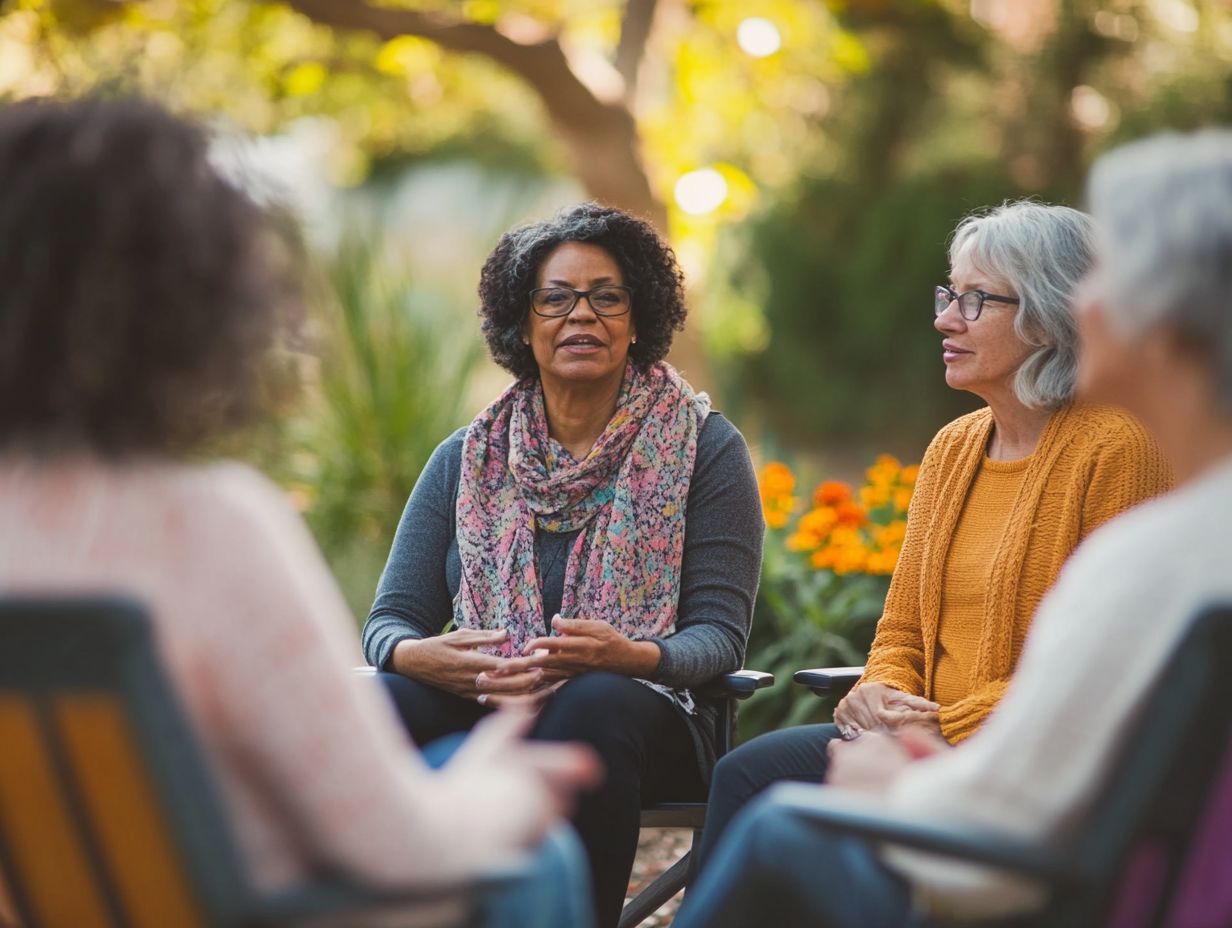
Survivorship refers to the phase after cancer treatment where you may deal with ongoing physical, emotional, and social challenges. These can include lingering side effects from treatments such as fatigue, pain, or cognitive changes, as well as emotional issues like depression or anxiety. Your healthcare team will likely recommend regular follow-ups to monitor for late effects of treatment or new health concerns, including the rare possibility of a second cancer.
Common Challenges Post-Treatment
Physical struggles might include changes like chronic fatigue, hair loss, or weight fluctuations that impact your daily routine and self-esteem. Emotionally, you may face anxiety, depression, or fear about cancer returning, professionally known as fear of recurrence. Financial burdens arise from medical bills and potential loss of income during and after treatment, adding stress to recovery. These challenges can be particularly intense for childhood cancer survivors and older adults, so addressing your unique needs is essential.
Coping Strategies That Can Help You Thrive
You don’t have to face these challenges alone. Many survivors find strength in support groups, which connect you with others who understand your experience. Creating a personalized wellness plan—incorporating balanced nutrition, regular physical activity, and mental health care—can promote healing and resilience. Partnering with family and friends provides emotional support and practical assistance. Consulting regularly with your healthcare providers ensures your recovery plan is tailored to your evolving needs.
Managing Side Effects and Long-Term Impacts
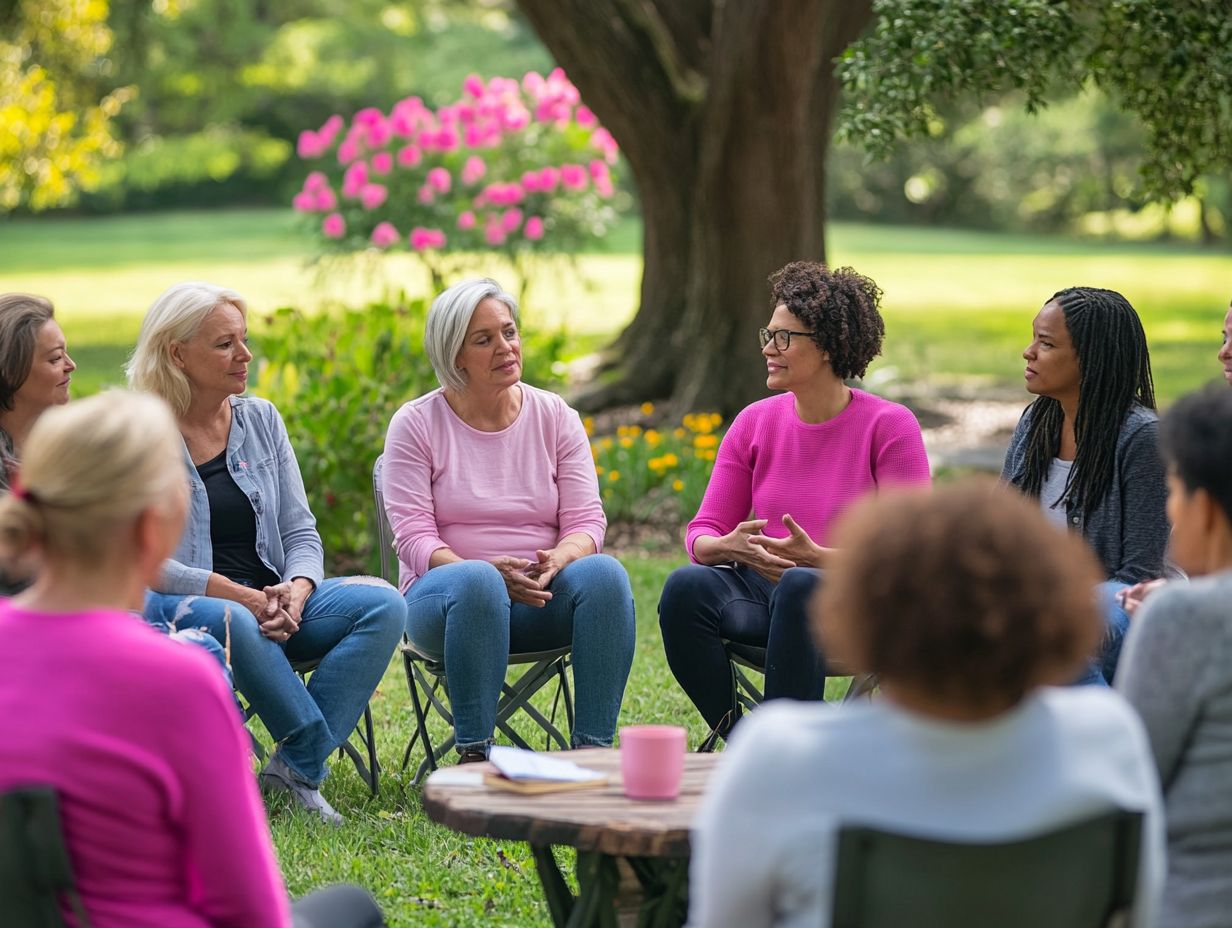
Side effects like fatigue, cognitive difficulties (“chemo brain”), or emotional stress may persist well beyond treatment. Maintaining a healthy lifestyle with nutrient-rich foods and regular exercise, such as walking or yoga, supports your physical recovery. Engaging in counseling or mindfulness techniques helps manage emotional health. Your provider might recommend therapies or medications to alleviate specific symptoms. The National Cancer Institute offers in-depth resources on managing late effects.
Confronting the Fear of Recurrence
Worries about cancer coming back are common and natural. To manage this fear, consider mindfulness practices, therapy, or talking openly in survivor support groups. Staying current with follow-up screenings and focusing on wellness gives you a sense of control. The American Cancer Society provides helpful tools to navigate these feelings.
Rebuilding Relationships and Social Connections
Cancer changes more than your health; it can reshape your relationships and social life. You may find it helpful to share your feelings honestly with loved ones, rebuilding trust and understanding. Participating in community events or survivor groups creates opportunities for connection and support in a safe, understanding environment.
Resources to Support Your Journey
Many organizations provide vital support after cancer treatment:
- American Cancer Society offers programs, support groups, and financial aid.
- Cancer Support Community provides education and emotional support.
- Leukemia & Lymphoma Society assists with financial resources and personalized help.
Financial assistance and legal support can also ease the burden of treatment costs, insurance issues, and employment rights, which you can access through these organizations or your healthcare team.
Financial Assistance and Legal Aid

Financial assistance and legal aid for cancer survivors help cover treatment costs, housing, transportation, and daily expenses. Organizations like the American Cancer Society and the HealthWell Foundation offer financial aid programs for cancer patients. Legal aid services assist with employment rights, insurance disputes, and estate planning for cancer survivors. Cancer survivors can access these resources through local cancer support groups or healthcare providers.
Creating Your Wellness Plan
A wellness plan is your personalized roadmap to better health. Focus on eating a diet rich in fruits, vegetables, lean proteins, and whole grains to boost your immune system. Incorporate moderate exercise like walking or gentle yoga to improve strength and mood. Don’t overlook mental health—therapy, meditation, or support groups can build resilience. Your plan should evolve with your needs and empower you to take charge of your recovery.
Components of an Effective Wellness Plan
An effective wellness plan for cancer survivors includes nutrition, exercise, and mental health support.
Nutrition involves a balanced diet with fruits, vegetables, lean proteins, and whole grains to boost immunity.
Exercise includes regular physical activity, such as walking or yoga, to improve fitness and mood.
Mental health support involves therapy or mindfulness practices to process emotions and build resilience.
These components support recovery, physical health, and overall well-being, providing a foundation for life after cancer.
Frequently Asked Questions
What physical and emotional challenges might I face after cancer treatment?
You may experience fatigue, pain, changes in appearance, anxiety, depression, or fear about recurrence. These effects vary by individual but are common and manageable with support.
How can I address physical and emotional changes after cancer?

You can address physical changes through therapy, exercise, and self-care practices. For emotional changes, seek support from loved ones, join support groups, and consider therapy or counseling.
How can I get help with the financial impact of cancer?
Many organizations offer grants, financial counseling, and aid for treatment-related costs. Reach out to groups like the American Cancer Society or HealthWell Foundation for assistance.
What strategies can reduce fear of cancer coming back?
Regular medical check-ups, mindfulness, counseling, and talking with other survivors can help you manage these fears constructively.
How do I adjust to daily life after cancer?
Be patient with yourself, set realistic goals, maintain healthy habits, and seek emotional support. Rebuilding your life is a gradual process.
Where can I find support communities and resources?
Connect with organizations such as the American Cancer Society, Cancer Support Community, and Leukemia & Lymphoma Society, which offer programs, counseling, and peer support.