The good news is that choosing healthy cooking methods and including certain cancer-fighting foods in your diet can support your body’s defenses and help lower that risk. By focusing on techniques like steaming, baking, and sautéing with healthy oils, you preserve vital nutrients and minimize harmful compounds that can form during cooking. This straightforward approach to meal preparation, paired with foods such as cruciferous vegetables, turmeric, and garlic, empowers you to make delicious meals that contribute to long-term health.
How Your Cooking Choices Affect Cancer Risk
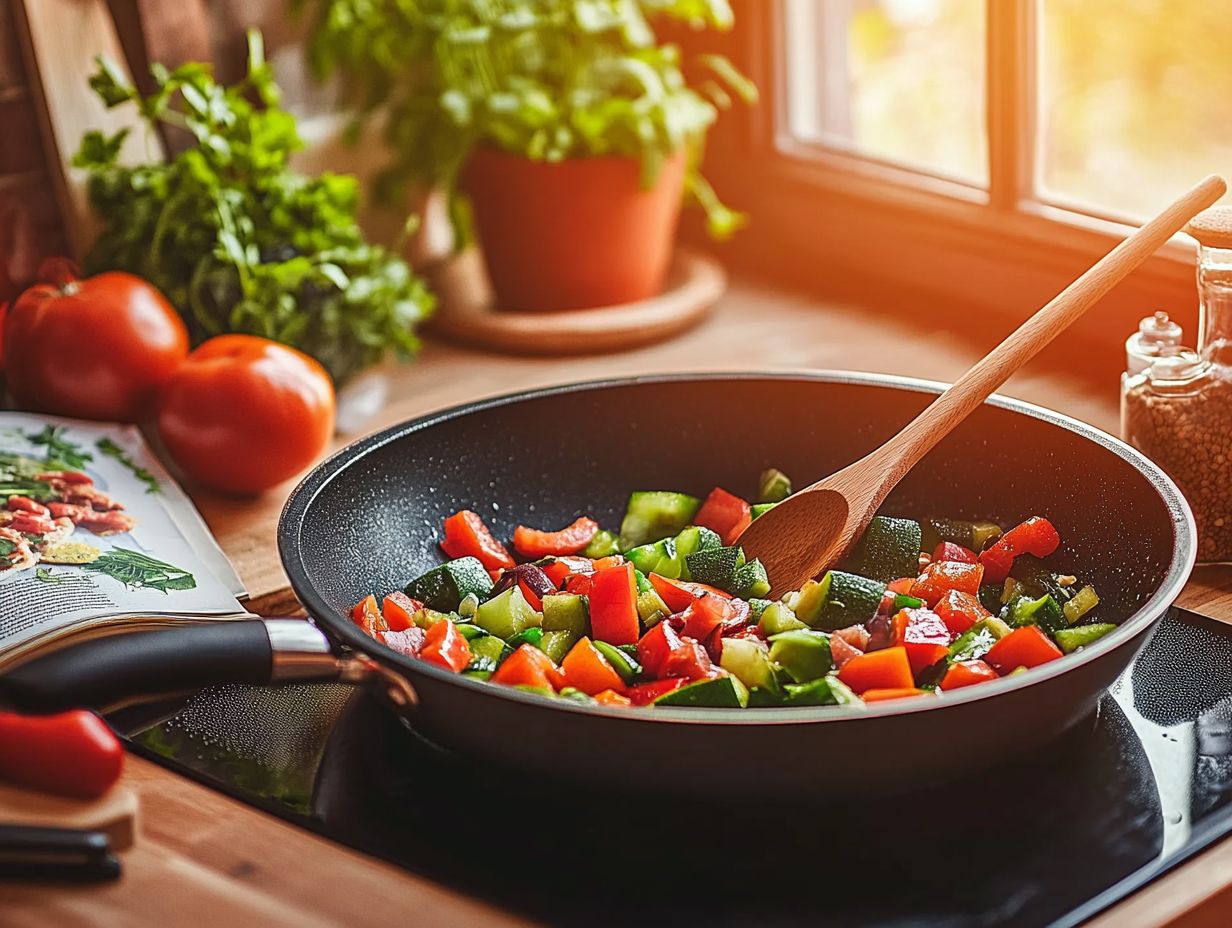
Did you know that not just what you eat, but how you prepare your food, can affect your risk of developing cancer? Certain cooking methods preserve protective nutrients found in fruits, vegetables, and whole grains, while others can create cancer-promoting chemicals.
For example, steaming and poaching maintain antioxidants in foods like broccoli, kale, and berries, which help protect your cells from damage. On the other hand, frying or charring food at high temperatures can create compounds that may contribute to cancer.
Healthy Cooking Methods to Embrace
Steaming and Boiling
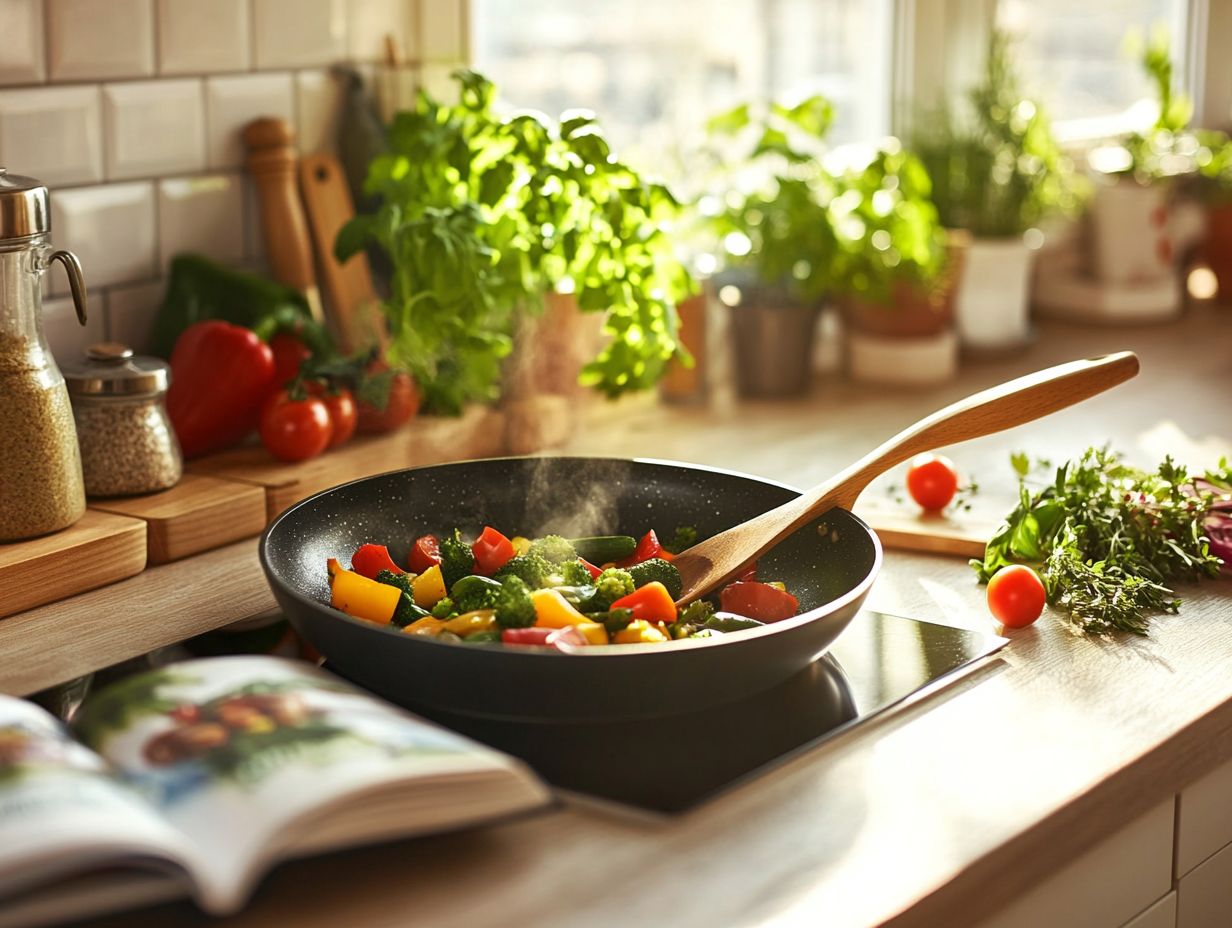
Steaming is a gentle way to cook vegetables without causing significant nutrient loss. It keeps vibrant colors and flavors intact and helps retain antioxidants. Boiling can be used, but some water-soluble vitamins might be lost if you discard the cooking water.
Baking and Roasting
Using dry heat in the oven can cook your meals evenly without needing extra unhealthy fats. Baking is great for casseroles or whole grains, while roasting brings out the natural sweetness in vegetables.
Sautéing with Healthy Oils
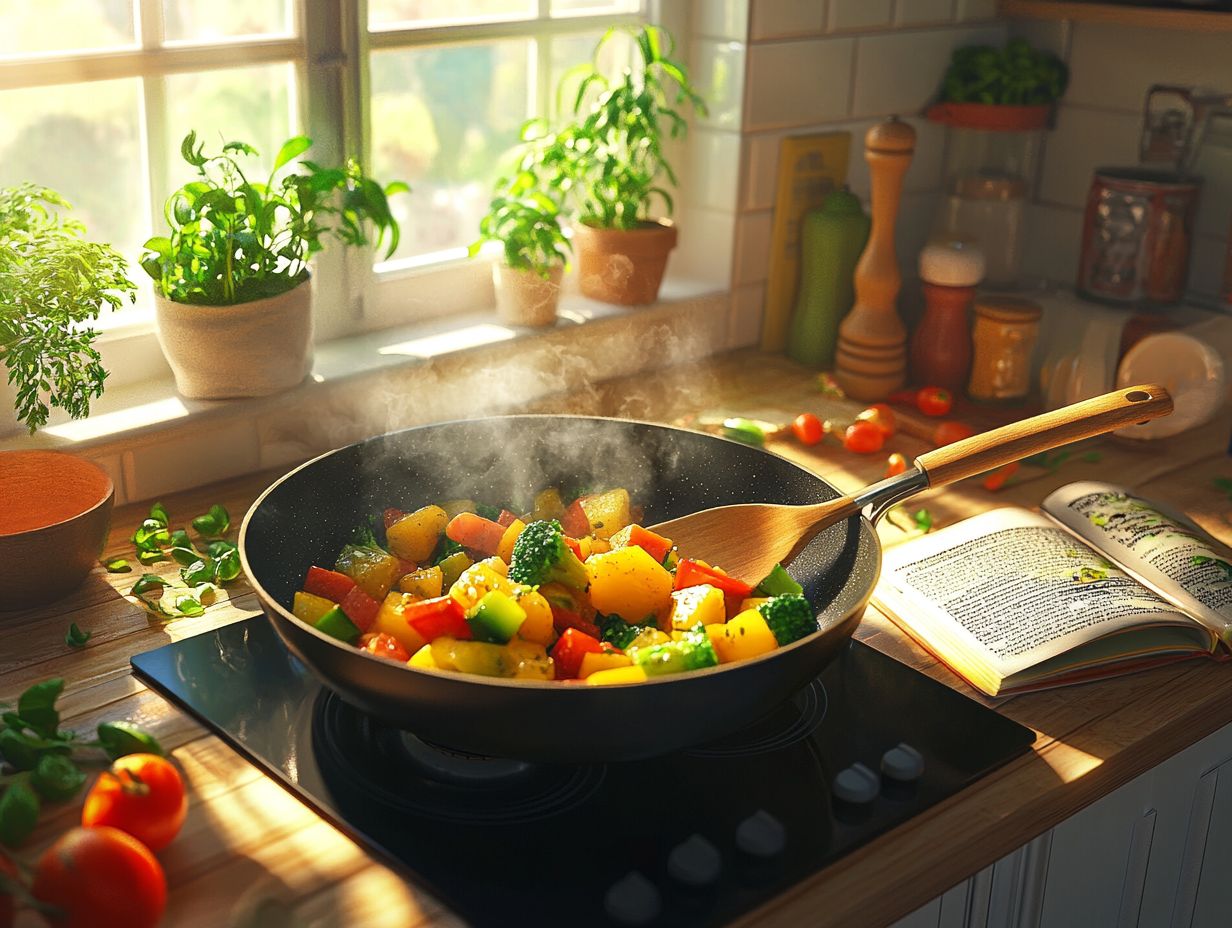
Cooking vegetables or lean proteins quickly in oils like extra-virgin olive oil or avocado oil allows you to get flavorful dishes while benefiting from healthy fats that support your immune system.
Grilling and Broiling
These methods can be healthy if you avoid over-charring. Try marinating your foods and grill at temperatures below 300°F (150°C) to limit harmful chemicals’ formation. Including antioxidant-rich vegetables like bell peppers or tomatoes alongside grilled foods can add even more protective benefits.
Cooking Techniques to Limit or Avoid
Frying and Deep Frying
These methods introduce unhealthy fats and can create harmful compounds linked to increased cancer risk. Instead, try baking or air frying with minimal oil for a crispy texture.
Charbroiling and Blackening
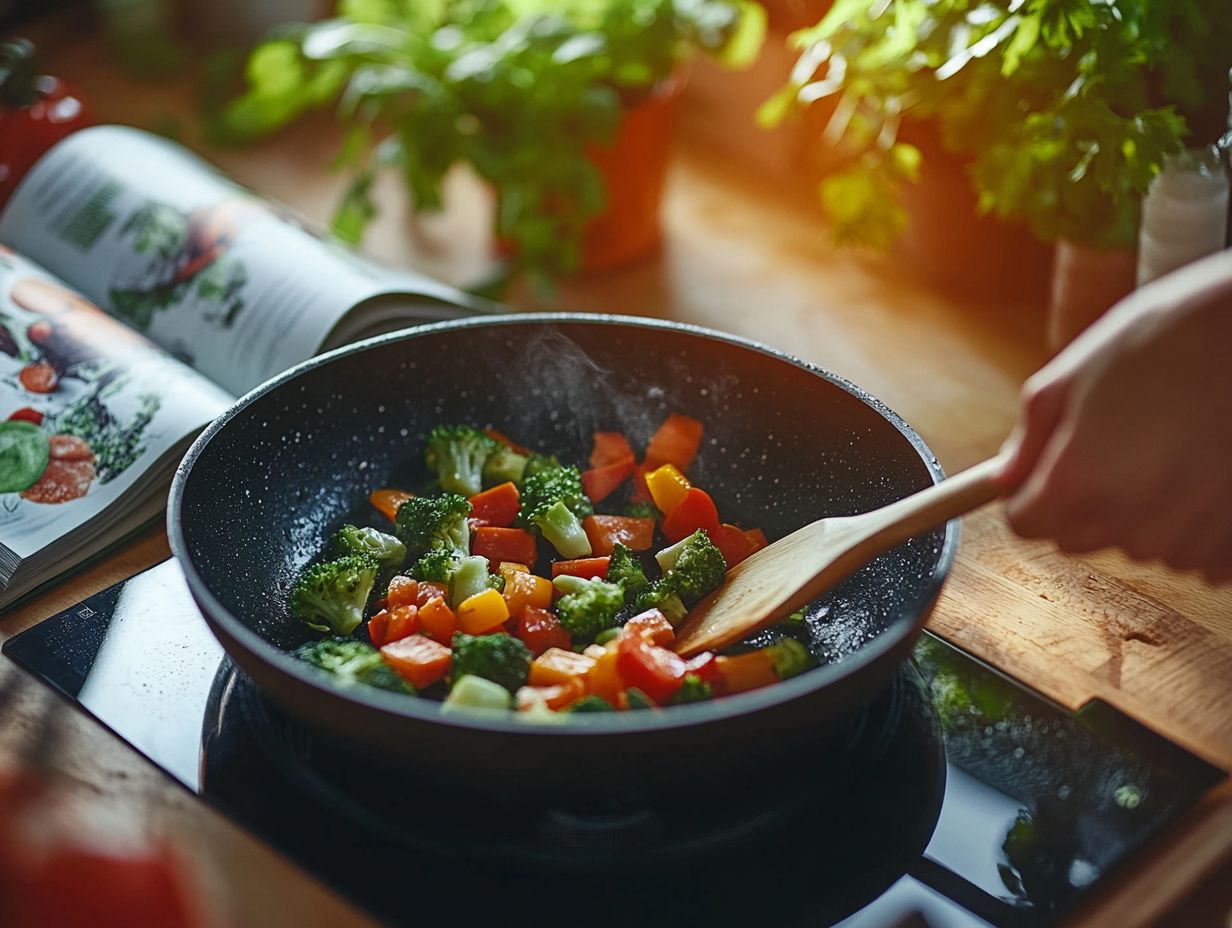
High-heat cooking that chars food can produce carcinogens like polycyclic aromatic hydrocarbons (PAHs) and heterocyclic amines (HCAs). If you enjoy grilled foods, consider marinating and cooking at lower temperatures to reduce these risks.
Microwaving
While microwaving can be safe and preserve nutrients when done correctly, avoid using plastic containers not labeled microwave-safe to prevent chemical exposure. Adding a bit of water to create steam and being careful not to overcook can help maintain food quality.
Powerful Cancer-Fighting Foods to Include
Your diet plays a key role in supporting your health. Foods with natural anti-cancer properties include:
- Cruciferous Vegetables: Broccoli, cauliflower, Brussels sprouts, and kale contain phytonutrients like sulforaphane that aid in detoxifying carcinogens.
- Turmeric: Its active compound, curcumin, has anti-inflammatory and antioxidant effects. Try adding turmeric to soups, stews, or rice dishes.
- Garlic: Rich in allicin, garlic supports the immune system and may reduce cancer risk. Use fresh garlic in your cooking to maximize benefits.
- Berries and Tomatoes: Loaded with antioxidants like lycopene and vitamin C, these foods help protect cells from damage.
Simple tips to incorporate these foods include roasting mixed vegetables with a drizzle of olive oil, adding fresh garlic to sautéed greens, or enjoying a berry smoothie for breakfast. These habits can be easy, tasty ways to boost your body’s natural defenses.
Additional Lifestyle Steps
While healthy cooking and diet are essential, combining them with other positive lifestyle changes amplifies cancer prevention:
- Stay active with regular exercise
- Maintain a healthy body weight
- Avoid tobacco products and limit alcohol intake
- Attend recommended cancer screening tests for early detection
Together, these proactive habits build a strong foundation for your long-term well-being.
Frequently Asked Questions
What cooking methods are best to reduce cancer risk?
Steaming, baking, roasting, and sautéing with healthy oils are excellent choices since they preserve nutrients and minimize harmful substances. Grilling and broiling can be safe when done with care to avoid charring.
Why should I avoid frying and deep frying?
Frying methods often involve unhealthy fats and high heat that create carcinogens, increasing cancer risk. Healthier alternatives like baking or air frying offer crispy textures without these downsides.
Can I still enjoy grilled foods?
Yes! Grilling can be part of a healthy diet if you marinate your food, keep the temperature moderate, and avoid blackened areas to reduce carcinogen formation.
What are some easy ways to add cancer-fighting foods to my diet?
Try adding a handful of steamed broccoli as a side dish, sprinkling turmeric into soups or smoothies, or using fresh garlic in salad dressings and sautés. These small changes can have a big impact.
Are microwaves safe to use for cooking?
Microwaves are safe when used properly. Use microwave-safe containers, add water to create steam, and avoid overcooking to preserve nutrients and food quality.
For more guidance, visit trusted resources like the National Cancer Institute’s page on diet and cancer prevention, or learn simple healthy cooking techniques from the Mayo Clinic’s nutrition and healthy eating section.