You may not often think about fiber when considering cancer prevention, but science shows it plays a powerful role in protecting your body, especially against colorectal and breast cancers. Eating enough fiber daily not only supports your digestion and heart health but also nurtures a healthy gut microbiome, which helps reduce inflammation and the growth of harmful cells. By choosing fiber-rich foods like whole grains, fruits, vegetables, legumes, and nuts, you can take a practical and natural step toward lowering your cancer risk and improving your overall wellness.
Understanding Dietary Fiber and Its Types
Dietary fiber is the part of plant foods that your body can’t digest. It comes in two types: soluble and insoluble fiber. Soluble fiber dissolves in water, creating a gel that helps lower cholesterol and balances blood sugar levels, which supports heart and metabolic health. Insoluble fiber adds bulk to your stool, helping food move smoothly through your digestive system and preventing constipation. Both types are essential for a healthy gut and reducing the risk of chronic illnesses.
How Fiber Helps Lower Cancer Risk
Fiber supports cancer prevention by improving how your digestive system functions and by fostering a diverse community of beneficial gut bacteria. When fiber is fermented in your colon, it produces short-chain fatty acids, compounds that nourish gut cells and may prevent inflammation and the growth of cancer cells. Studies, including those overseen by experts using AMSTAR2 guidelines, show that people who consume higher amounts of fiber have a lower risk of developing colorectal cancer and also benefit in reducing breast cancer risk.
Recommended Fiber Intake for Better Health
Health organizations such as the World Health Organization recommend adults aim for 25 to 30 grams of fiber daily—about the amount you’d get from five servings of fruits and vegetables plus whole grains. Women generally need about 25 grams, while men need about 38 grams each day. Children’s fiber needs vary by age but are important for growth and health too. If you find it challenging to reach these targets, gradually increasing your fiber intake can help avoid discomfort like bloating, especially when paired with plenty of water.
Top Fiber-Rich Foods to Include
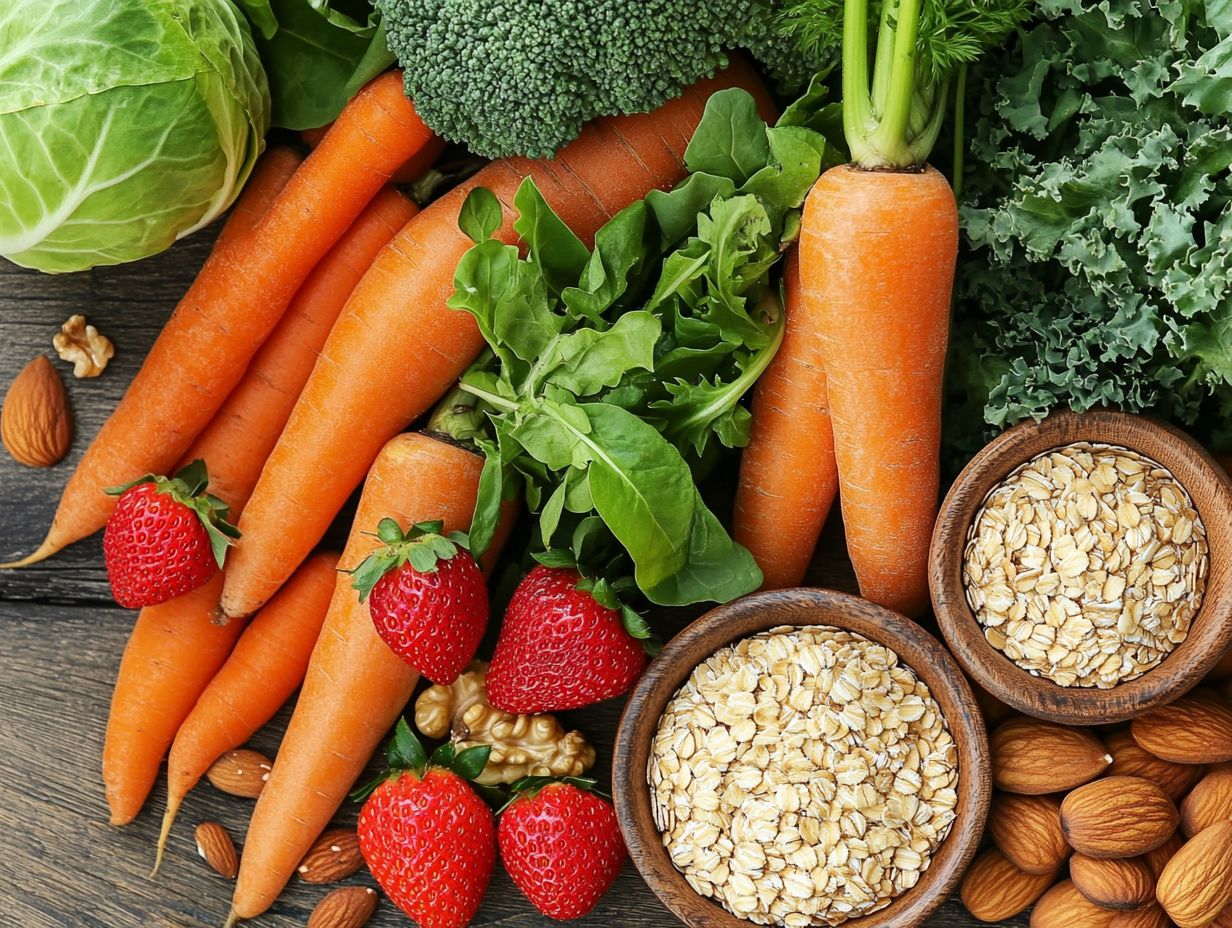
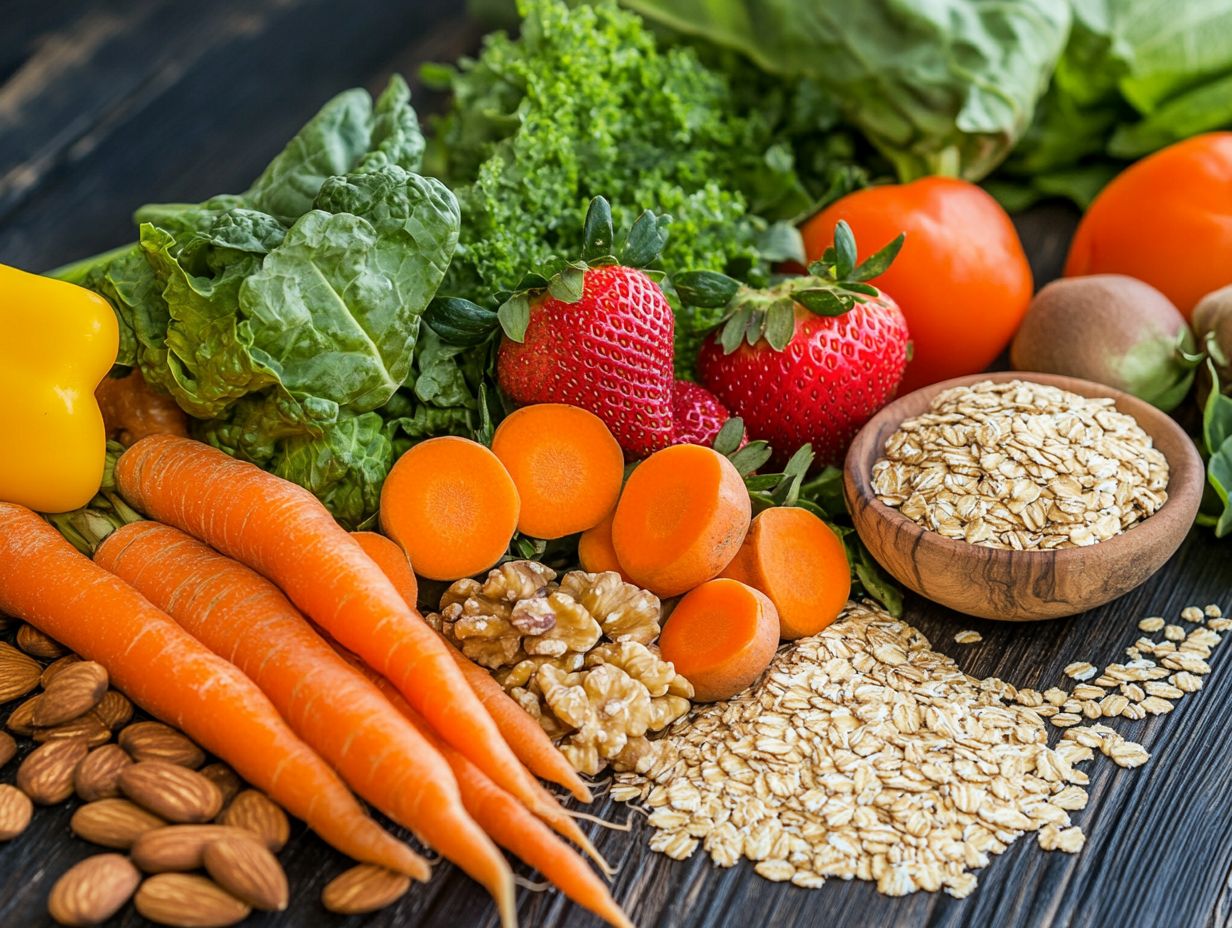
To meet your fiber goals, focus on whole, minimally processed plant foods. Some top options include:
- Whole grains: oats, brown rice, quinoa, whole wheat
- Legumes: beans, lentils, chickpeas
- Fruits: apples, berries, pears, oranges
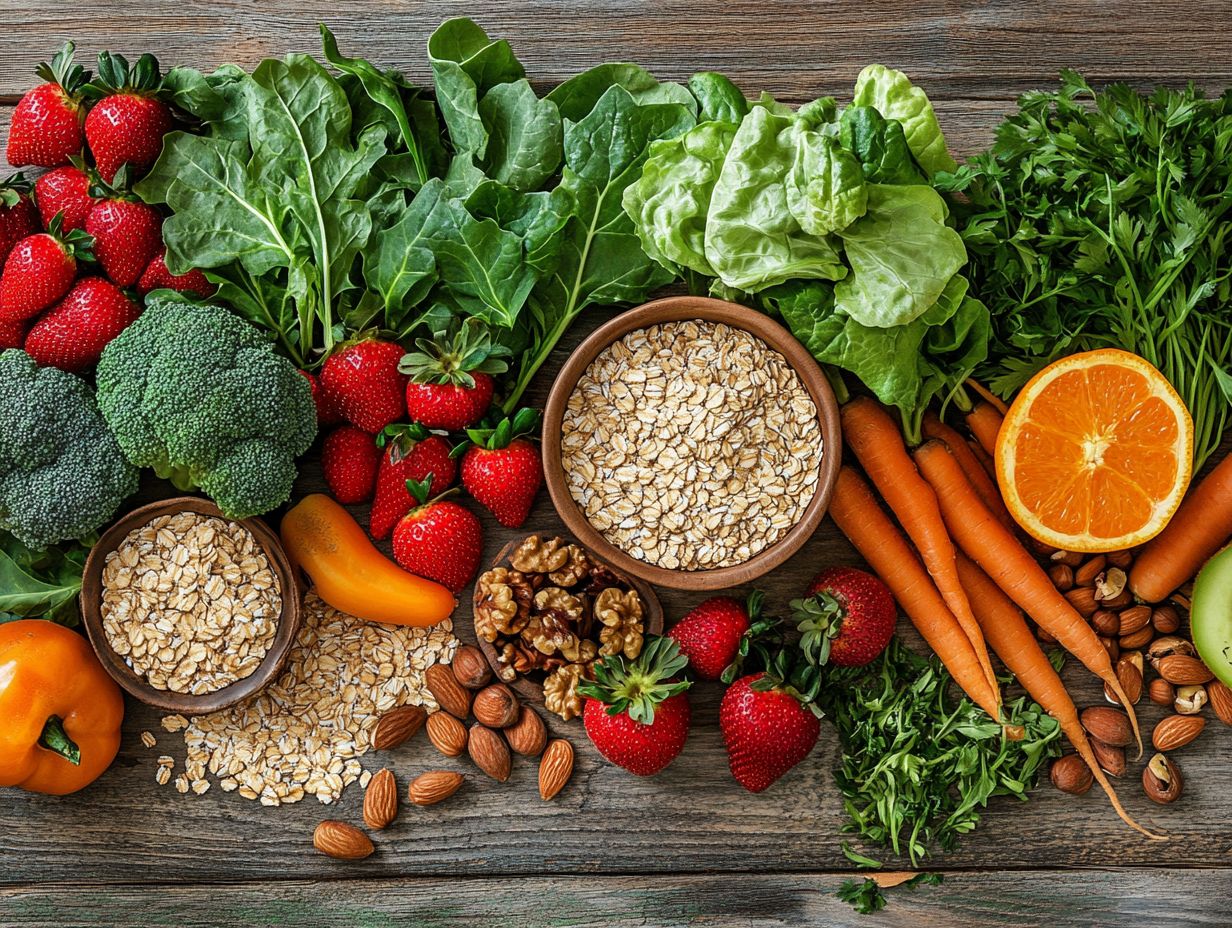
- Vegetables: broccoli, carrots, leafy greens
- Nuts and seeds: almonds, chia seeds, flaxseeds
Snacking on fiber-rich foods throughout your day can make a big difference, such as adding berries to your yogurt or choosing whole-grain bread at lunch.
Additional Benefits of Fiber Beyond Cancer Prevention
Fiber does more than just reduce cancer risk. It keeps your digestive system running smoothly and helps manage weight by making you feel full longer. Fiber also supports heart health by lowering cholesterol and maintaining steady blood sugar levels. These benefits combine to promote overall wellness and decrease your chance of developing conditions like diabetes and high blood pressure.
Practical Tips to Boost Your Fiber Intake
- Start your day with a high-fiber breakfast cereal or add fruits like bananas and berries to your meal.
- Swap white rice or bread for whole-grain alternatives.
- Include a variety of colorful vegetables with every meal.
- Choose legumes in soups, salads, or stews regularly.
- Snack on nuts and seeds rather than processed snacks.
- Drink plenty of water to help fiber do its job effectively.
If you have any medical conditions, discuss changes to your diet with your healthcare provider before making significant adjustments.
Frequently Asked Questions
What exactly is dietary fiber, and why does it matter for cancer prevention?
Dietary fiber is a type of carbohydrate from plants that your body doesn’t digest. It helps keep your digestive system working well, removes waste, and may lower the risk of some cancers, especially colorectal and breast cancer, by supporting gut health and reducing inflammation.
How does fiber help lower the risk of cancer?
Fiber helps produce compounds in your gut that protect healthy cells and reduce harmful inflammation. It also speeds up the removal of toxins from your digestive system and supports a diverse, healthy gut microbiome, which can decrease cancer risk.
Which types of cancer can fiber help prevent?
Research suggests fiber intake is particularly protective against colorectal cancer and breast cancer. There is also some evidence it may reduce the risk for other cancers, such as prostate, ovarian, and stomach cancers.
How much fiber should I eat daily to protect myself?
Most adults should aim for 25 to 30 grams of fiber daily. Men generally need about 38 grams, and women need about 25 grams. Increasing fiber gradually alongside adequate hydration can help you avoid digestive discomfort.
What are the best food sources for dietary fiber?
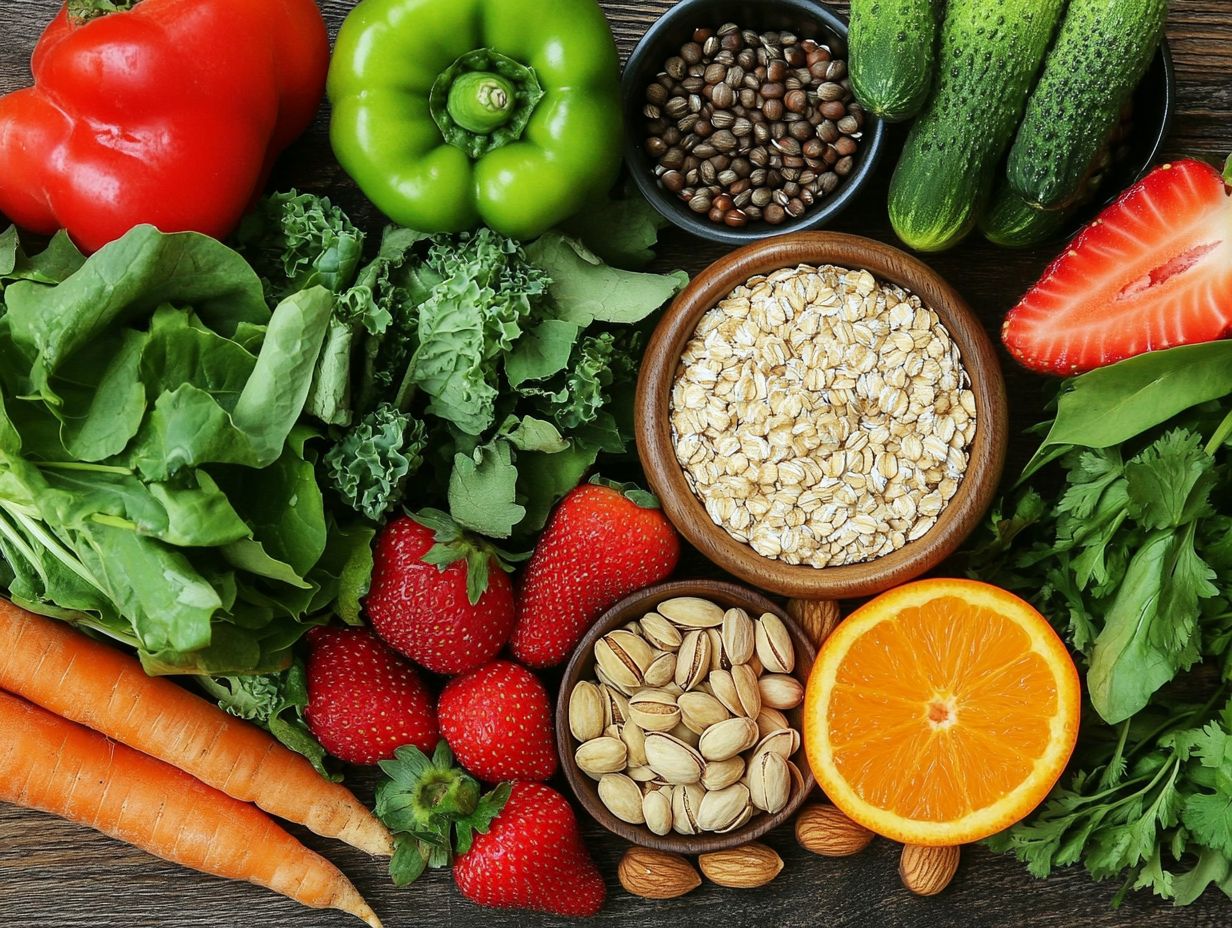
High-fiber foods include whole grains (like oats and brown rice), legumes (beans, lentils), fruits (apples, berries), vegetables (broccoli, carrots), nuts, and seeds. Choosing these foods regularly throughout your day helps you reach your fiber goals.
Are there any risks from eating too much fiber?
Eating too much fiber abruptly can cause gas, bloating, or abdominal discomfort. To avoid this, increase your fiber intake slowly and drink plenty of water. If you have digestive conditions, check with your doctor before making large changes.