Comprehensive Guide to Cancer Prevention: Vaccines, Lifestyle, and Inspirational Stories
Have you ever wondered how you can actively reduce your risk of cancer? Advances in medicine combined with healthy lifestyle choices and support from your community can empower you to take meaningful steps toward prevention. This guide explains how vaccines, early detection, and daily habits work together to protect your health and inspire hope on your cancer prevention journey.
The Role of Vaccines in Protecting You from Cancer
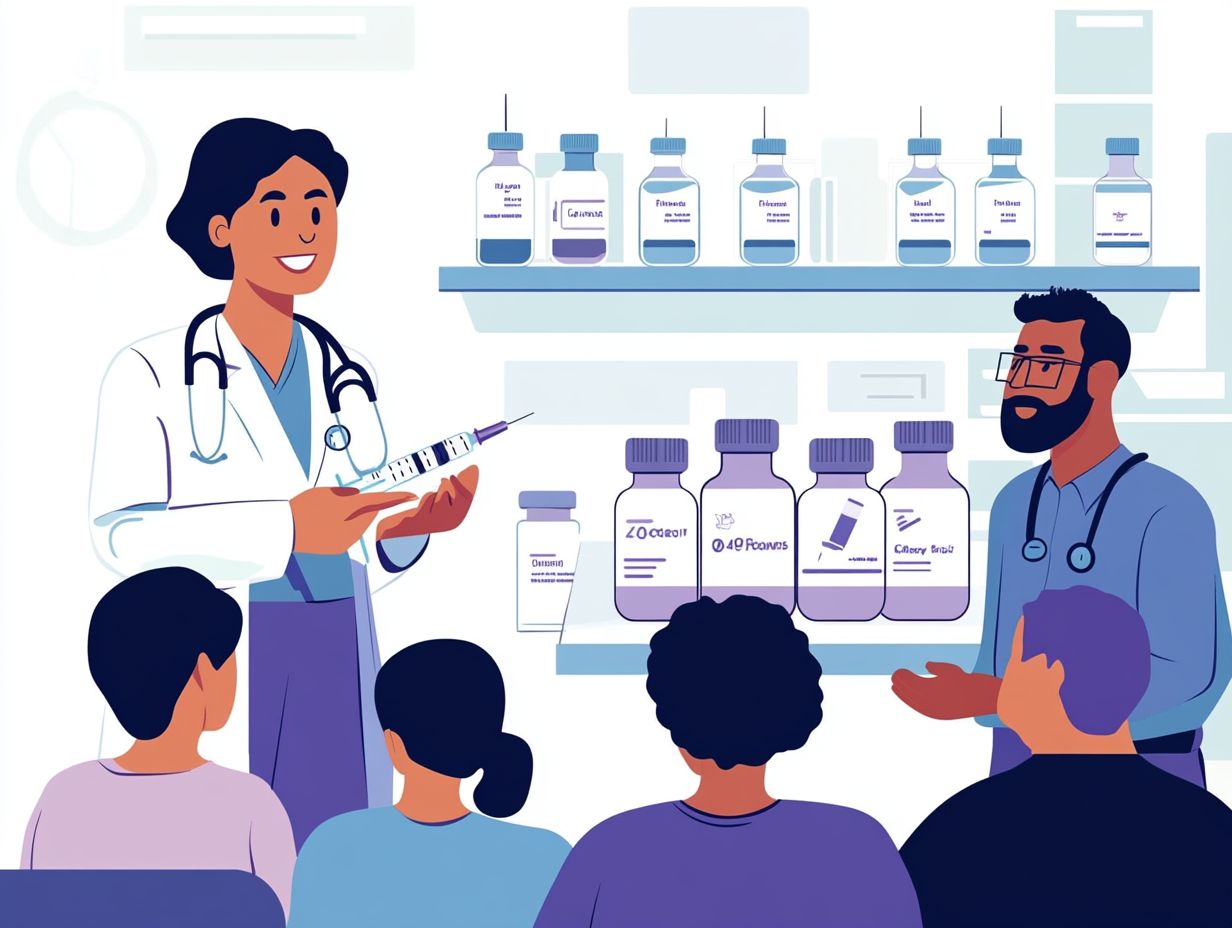
Vaccines aren’t just for preventing infectious diseases—they also play a crucial role in reducing your risk of certain cancers. For example, vaccines like Gardasil and Cervarix protect against the human papillomavirus (HPV), a common virus that can lead to cervical and other cancers. Additionally, the hepatitis B vaccine helps prevent chronic infections that increase liver cancer risk.
These vaccines help your immune system recognize and fight off the viruses before they can cause serious damage. While no vaccine guarantees complete protection, staying up to date with recommended immunizations is a simple and effective way to lower your cancer risk. You can learn more about these lifesaving vaccines at the Essential Vaccines for Cancer Prevention article.
Researchers are also developing therapeutic vaccines aimed at teaching your body to target existing cancer cells, which holds promise for future personalized treatments.
How Early Detection and Healthy Habits Make a Difference for You
If you have a family history of cancer or genetic factors like BRCA mutations, early detection through regular screenings can catch cancer when it’s most treatable. Screening tests such as mammograms, colonoscopies, and Pap smears are examples of effective tools to find cancer early or even prevent it by detecting precancerous changes.
Alongside screenings, adopting a healthy lifestyle is key. Eating plenty of fruits, vegetables, and whole grains nourishes your body, while regular physical activity helps maintain a healthy weight and strengthens your immune system. Managing stress with mindful techniques also supports your overall wellbeing.
Building strong connections with support groups, healthcare providers, and caregivers offers emotional encouragement and practical guidance as you navigate prevention strategies.
Stories from real survivors show how a positive attitude combined with proactive health choices can empower you to face challenges with resilience. Check out inspiring examples in 5 Inspirational Stories of Cancer Prevention Success.
Create Your Personalized Cancer Prevention Plan
You hold the key to reducing your cancer risk through manageable daily actions. Consider the following steps tailored to your needs:
- Stay current with vaccines recommended for cancer prevention, such as HPV and hepatitis B shots.
- Schedule regular screenings based on your age, gender, and family history—talk to your doctor about what’s best for you.
- Choose a balanced diet rich in colorful fruits and vegetables alongside whole grains.
- Engage in moderate exercise most days of the week and aim to keep a healthy weight.
- Incorporate stress-relief practices like meditation, yoga, or deep breathing.
- Connect with support networks to share experiences and find motivation.
Remember, prevention is a lifelong journey. Consult trusted resources such as the National Cancer Institute and CDC’s Cancer Prevention page for the latest guidelines tailored to you.
Looking Ahead: Hope in Science and Community
Cancer prevention combines the best of modern science, everyday self-care, and strong social support. Vaccines have already changed the landscape of cancer risk, and ongoing research fuels hope for more breakthroughs. By staying informed and embracing positive, proactive steps, you can shape a healthier future for yourself and those you love. Stay curious, take action, and lean on your community—these are powerful tools on your wellness path.
Frequently Asked Questions
- What vaccines are recommended to help prevent cancer?
- Vaccines like HPV vaccines (Gardasil, Cervarix) and the hepatitis B vaccine help prevent infections that can lead to cervical, liver, and other cancers. Speak with your healthcare provider about which vaccines are appropriate for you.
- How often should I get screened for cancer?
- Screening schedules vary based on your age, sex, family history, and risk factors. For example, women are advised to get Pap smears every 3 years starting at age 21, while colon cancer screening typically begins at age 45 or earlier if you have risk factors. Consult your doctor to create a personalized screening plan.
- Can lifestyle changes really lower my cancer risk?
- Yes. Maintaining a healthy weight, eating a nutritious diet, staying active, limiting alcohol, and avoiding tobacco all significantly decrease your cancer risk and improve overall health.
- What if I have a family history of cancer?
- Knowing your family’s cancer history helps you and your doctor make informed decisions about screenings and preventive measures. You may also benefit from genetic counseling to assess your personal risk.
- Where can I find reliable information about cancer prevention?
- Trusted sources include the National Cancer Institute, the CDC, and health systems like the Mayo Clinic. These sites provide up-to-date, evidence-based guidance.