Everyday choices around what you eat, how active you are, and managing stress can play a powerful role in lowering your cancer risk—even though no single method can guarantee prevention. Scientific research shows that adopting a balanced diet rich in plants and fiber, staying physically active, avoiding tobacco, limiting alcohol, and keeping up with screenings collectively strengthen your immune system and protect your cells. This comprehensive guide will walk you through practical, evidence-backed steps tailored to your personal health journey, helping you make informed decisions from prevention through survivorship.
How Your Lifestyle Shapes Cancer Risk
Your daily habits are more powerful than you might think when it comes to reducing cancer risk. Most cancers are influenced by modifiable environmental and lifestyle factors rather than inherited genes alone. By choosing a nutritious, mostly plant-based diet, staying physically active, avoiding tobacco, limiting alcohol, managing stress, and going for regular cancer screenings, you help your body lower inflammation, balance hormones, and boost immune defenses. Even small, consistent changes make a real difference regardless of family history or background. For more on shaping healthy habits, check [Healthy Lifestyle Changes to Lower Cancer Risk](https://www.together4cancer.com/post/healthy-lifestyle-changes-to-lower-cancer-risk/).
Nutrition as Your Cancer Defense
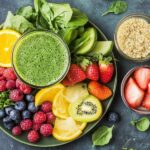
What you put on your plate daily matters deeply in cancer prevention. Research highlights that diets rich in antioxidants and a variety of colorful fruits and vegetables help protect cells from damage and reduce chronic inflammation—a key driver of cancer development. Following dietary patterns like the Mediterranean diet or diverse plant-based diets offers strong protection. Focus on:
– **Antioxidant-packed fruits and vegetables:** Berries, cruciferous veggies (like broccoli and cauliflower), garlic, turmeric, leafy greens, and green tea are nutrient powerhouses that help inhibit cancer growth ([Eating for Health: The Impact of Diet in Cancer Prevention](https://www.together4cancer.com/post/eating-for-health-the-impact-of-diet-in-cancer-prevention-understanding-the-cancer-diet-connection-bc319/)).
– **Whole grains and legumes:** High in dietary fiber, they support gut health and lower the risk of colorectal and breast cancers ([Dietary Fiber: An Unsung Hero in Cancer Prevention](https://www.together4cancer.com/post/dietary-fiber-an-unsung-hero-in-cancer-prevention/)).
– **Lean proteins and healthy fats:** Sources like fish, nuts, and seeds provide omega-3 fatty acids that nourish cells ([Eating for Health: How Different Diets May Lower Cancer Risk](https://www.together4cancer.com/post/eating-for-health-how-different-diets-may-lower-cancer-risk/)).
Limiting red and processed meats, sugary drinks, and heavily processed foods complements these positive choices. Swapping sugary beverages for water and fresh fruits instead of juices reduces sugar-related inflammation and weight gain, factors linked to increased cancer risk ([Cutting the Sweet Risk: The Scientific Link Between Sugar Reduction and Lowered Cancer Risk](https://www.together4cancer.com/post/cutting-the-sweet-risk-the-scientific-link-between-sugar-reduction-and-lowered-cancer-risk/)).
The Unsung Hero: Fiber
Fiber doesn’t just keep you regular—it feeds good bacteria in your gut that help modulate immune function and reduce inflammation. Getting 25–30 grams of fiber daily through vegetables, fruits, whole grains, nuts, and legumes is a practical, effective way to support your body’s defenses ([Dietary Fiber: An Unsung Hero in Cancer Prevention](https://www.together4cancer.com/post/dietary-fiber-an-unsung-hero-in-cancer-prevention/)).
Snack Smart to Lower Risk
Choosing snacks wisely can boost your daily nutrient intake. Try nuts, seeds, fresh berries, Greek yogurt with fruit, whole-grain crackers with hummus, or avocado toast with smoked salmon. These options deliver antioxidants, fiber, and beneficial fats that help reduce inflammation and strengthen your immune system ([5 Healthy Snacks for Cancer Prevention](https://www.together4cancer.com/post/5-healthy-snacks-for-cancer-prevention/)).
Cooking Methods Matter
Even how you cook your food can impact cancer risk. Methods like steaming, baking, or sautéing with healthy oils preserve nutrients and reduce harmful compound formation. It’s best to avoid frying, charring, or high-heat grilling to limit exposure to carcinogens. Small tweaks in the kitchen can make every meal safer and more nurturing ([Healthy Cooking Methods for Cancer Prevention](https://www.together4cancer.com/post/healthy-cooking-methods-for-cancer-prevention/)).
Vitamins: Important but Not Magic
While vitamins D, A, C, E, K, and B complex support immune health and cell repair, no vitamin supplement alone prevents cancer. The best approach is getting these nutrients from a diverse, whole-food diet. If supplements are needed, they should be taken thoughtfully under medical guidance. Clearing up common misconceptions about vitamins can help you avoid false promises ([Vital Nourishment: The Impact of Vitamins in Cancer Prevention](https://www.together4cancer.com/post/vital-nourishment-the-impact-of-vitamins-in-cancer-prevention/), [5 Myths About Vitamins and Cancer Prevention](https://www.together4cancer.com/post/5-myths-about-vitamins-and-cancer-prevention/)).
Separating Fact from Fiction on Diet and Cancer
It’s easy to get confused by myths—like sugar directly causing cancer or vitamins curing it. While cancer cells do use sugar, the bigger concern is that excess sugar leads to weight gain, inflammation, and hormonal imbalances, all of which increase cancer risk. Learning the full picture helps you make better choices without unnecessary fear or false hope ([5 Myths About Cancer Prevention Debunked](https://www.together4cancer.com/post/5-myths-about-cancer-prevention-debunked/)).
Exploring Fasting and Calorie Restriction
Research suggests that when and how much you eat may be just as important as what you eat. Intermittent fasting, time-restricted eating, and calorie reduction could reduce cancer risk by lowering inflammation and boosting cellular repair. However, these strategies require personalization and medical supervision to fit your health status best ([Fasting for Health: Caloric Restriction and Intermittent Fasting in Cancer Prevention](https://www.together4cancer.com/post/fasting-for-health-caloric-restriction-and-intermittent-fasting-in-cancer-prevention/)).
Stay Active for Lifetime Protection
Regular physical activity is one of the strongest defenses against cancer. It helps regulate hormones, improves blood flow, balances insulin, and strengthens immunity. Combining aerobic activities, strength training, and flexibility exercises keeps you healthy and motivated—whether it’s walking, yoga, or group classes ([Moving Towards Health: How Exercise Lowers Cancer Risk](https://www.together4cancer.com/post/moving-towards-health-how-exercise-lowers-cancer-risk/), [5 Ways to Stay Active for Cancer Prevention](https://www.together4cancer.com/post/5-ways-to-stay-active-for-cancer-prevention/)).
A Holistic Approach Beyond Diet and Exercise
Cancer prevention is about your whole environment and lifestyle. Managing stress, reducing exposure to toxins, embracing mindfulness, and connecting with nature—like gardening or eating seasonal, local foods—can improve nutrient quality, reduce stress hormones, and promote well-being ([Detoxifying Your Life: Holistic Methods to Reduce Cancer Risks](https://www.together4cancer.com/post/detoxifying-your-life-holistic-methods-to-reduce-cancer-risks/), [Growing Wellness: Adapting the Harvest for Health Intervention for Cancer Prevention](https://www.together4cancer.com/post/growing-wellness-adapting-the-harvest-for-health-intervention-for-cancer-prevention/)).
The Role of Screenings and Medical Advances
While lifestyle is essential, medical screenings and preventive strategies are critical parts of cancer prevention. Vaccines such as HPV and hepatitis B, chemoprevention, and early detection through screenings catch risks early when treatments are more successful. Know your personal risk factors like family history and environment to craft a prevention plan with your healthcare team ([Understanding and Implementing Cancer Prevention Strategies](https://www.together4cancer.com/post/understanding-and-implementing-cancer-prevention-strategies/), [5 Women’s Health Tips for Cancer Prevention](https://www.together4cancer.com/post/5-womens-health-tips-for-cancer-prevention/), [5 Cancer Prevention Strategies for Men](https://www.together4cancer.com/post/5-cancer-prevention-strategies-for-men/)).
Nutrition and Lifestyle After a Cancer Diagnosis
If you or a loved one is facing cancer, nutrition remains a key support. Treatments can change your appetite and how your body absorbs nutrients, so focusing on balanced meals rich in vitamins, minerals, lean protein, and whole foods helps maintain strength and manage symptoms. Small, frequent meals and guidance from registered dietitians can make this easier ([Nutritional Needs for Cancer Patients](https://www.together4cancer.com/post/nutritional-needs-for-cancer-patients/), [Optimal Nutrition for Cancer Patients During Treatment](https://www.together4cancer.com/post/optimal-nutrition-for-cancer-patients-during-treatment/)).
Managing weight after treatment is also important. Many survivors experience weight gain due to hormonal shifts and less activity. Keeping a healthy weight through balanced nutrition and gentle exercise lowers the chance of cancer recurrence and other health problems ([How Can I Avoid Weight Gain After Cancer Treatment?](https://www.together4cancer.com/post/how-can-i-avoid-weight-gain-after-cancer-treatment/)).
Empowering Yourself with Knowledge and Action
No single rule fits everyone, but being informed and proactive helps you take charge. Most cancers are linked to lifestyle factors you can influence—like smoking, alcohol, inactivity, processed meats, and body weight. Questioning myths and understanding real risks empower you for lasting wellness ([5 Myths About Cancer Prevention Debunked](https://www.together4cancer.com/post/5-myths-about-cancer-prevention-debunked/)).
Take Action Today
– Fill your plate with colorful, plant-based foods, whole grains, and healthy fats
– Move your body regularly in ways you enjoy
– Stay current with cancer screenings and vaccines, including HPV and hepatitis B
– Avoid tobacco and limit alcohol intake
– Manage your stress and sleep well
– Reduce exposure to toxins in your environment
– Work with your healthcare providers to personalize your prevention plan
Together, these steps put you in control of your health journey. For more resources, see [5 Essential Resources for Cancer Prevention](https://www.together4cancer.com/post/5-essential-resources-for-cancer-prevention/).
Frequently Asked Questions
**Can changing my diet really reduce my cancer risk?**
Yes. Eating a balanced diet rich in fruits, vegetables, whole grains, and healthy fats supports your body’s defenses against cancer by reducing inflammation and protecting cells. Even small changes, like adding more fiber and antioxidants, can help over time.
**How much physical activity do I need to lower cancer risk?**
Experts recommend at least 150 minutes of moderate aerobic activity or 75 minutes of vigorous activity per week, combined with strength training twice a week. Find activities you enjoy to stay consistent.
**Are vitamin supplements necessary to prevent cancer?**
Not usually. The best source of vitamins is a varied, whole-food diet. Supplements may be helpful if you have specific deficiencies but should be taken under medical guidance as they can’t replace healthy food patterns.
**Is intermittent fasting safe and effective for cancer prevention?**
Intermittent fasting shows promise in reducing cancer risk for some people, but it’s not suitable for everyone. Consult your healthcare provider before trying fasting, especially if you have existing health conditions.
**How often should I get cancer screenings?**
Screening schedules depend on your age, family history, and risk factors. Regular screenings like mammograms, colonoscopies, and Pap tests save lives by detecting cancer early. Talk to your doctor about what’s right for you.
For trusted information, visit the [National Cancer Institute](https://www.cancer.gov/about-cancer/causes-prevention) and [Mayo Clinic’s Cancer Prevention section](https://www.mayoclinic.org/healthy-lifestyle/adult-health/in-depth/cancer-prevention/art-20044873). Remember, each positive step you take empowers you toward a healthier, cancer-aware life.