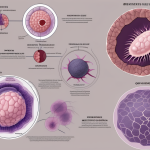
Cancer myths can cloud your understanding and affect the choices you make about prevention and treatment. From the false belief that cancer is contagious to the idea that it’s simply bad luck, these misconceptions can cause unnecessary fear or lead you away from proven medical care. By learning the facts about how cancer develops, who it affects, and which treatments work best, you can feel more confident in taking control of your health journey. This article clears up common cancer myths with clear, evidence-based information that empowers you to make informed decisions and support yourself or loved ones effectively.
Understanding Cancer Myths and Why They Matter
Cancer myths are widely held but incorrect beliefs about how cancer starts, spreads, and should be treated. These myths often overlook important facts about genetics, lifestyle factors, and scientific advances, leading to confusion and sometimes poor choices. For example, many think sugar causes cancer or that cancer only runs in families, ignoring the role of diet, obesity, and environmental exposures that also influence risk. By debunking these myths with reliable evidence — including resources like the National Cancer Institute — you gain a clearer picture of cancer and foster better prevention and care.
Myth #1: Cancer Is Contagious
You might wonder, “Can I catch cancer from someone else?” The answer is no: cancer is not contagious. It does not spread through person-to-person contact like a cold or flu. Instead, cancer develops when your body’s cells grow uncontrollably due to genetic mutations caused by factors such as environmental exposures or infections like HPV. While HPV (human papillomavirus) can raise the risk of certain cancers, it is the virus—not cancer itself—that is contagious. Knowing this can reduce stigma and help you focus on healthy lifestyle choices to lower your cancer risk. For more information, see the National Cancer Institute’s explanation on cancer and viruses.
Myth #2: Cancer Is Just Bad Luck
It’s easy to think cancer happens by chance, but the truth is more complex. Cancer arises from a combination of genetic factors and lifestyle or environmental influences. Things you can control — like maintaining a healthy weight, exercising regularly, and avoiding tobacco — play a big role in reducing your risk. For example, obesity increases the chance of cancers such as breast and colon because excess fat can affect hormones that promote cancer growth. If you have a family history of cancer, you may have a higher risk, but this doesn’t guarantee you will develop the disease. Understanding these factors empowers you to take proactive steps. The World Health Organization offers detailed insights about cancer risk factors you can modify here.
Myth #3: Alternative Treatments Are Better Than Traditional Medicine

You might hear claims that natural or alternative therapies cure cancer better than conventional treatment. However, treatments like chemotherapy, radiation, and surgery have been rigorously tested and proven to improve survival and quality of life. Alternative therapies—such as acupuncture or meditation—can help manage symptoms and side effects but should never replace standard medical care. Always discuss any complementary treatments with your oncologist to ensure they don’t interfere with your main treatment. The American Cancer Society provides guidance on combining alternative therapies safely with conventional care.
Myth #4: Cancer Only Affects Older People
While it’s true that cancer is more common as we age, it can affect people of all ages, including children and young adults. Cancers like leukemia and sarcoma are often found in younger individuals. For example, testicular cancer primarily affects men aged 15 to 35. Environmental exposures and genetics also contribute to cancer risk in younger people. If you’re young, it’s important to recognize this and seek regular medical care, especially if you notice unusual symptoms. Learn more about cancer in young people at the CDC’s Cancer and Childhood Cancer page.
Myth #5: Superfoods Can Cure Cancer
It’s tempting to believe certain “superfoods” can cure or prevent cancer on their own, but no single food has this power. Eating a balanced diet rich in fruits, vegetables, whole grains, and lean proteins supports your overall health and may reduce cancer risk but doesn’t replace medical treatment. Proper nutrition is important during cancer therapy to help your body heal and maintain strength, but cancer care relies on evidence-based treatments prescribed by your healthcare team. The National Cancer Institute offers trustworthy advice about nutrition and cancer here.

Myth #6: Cancer Is a Death Sentence
Thanks to advances like early detection, chemotherapy, immunotherapy, and targeted drugs, many people beat cancer or live long, fulfilling lives with it. The five-year survival rate across all cancers has improved dramatically, with ongoing research continuing to bring better options. Early diagnosis, proper treatment, and strong support systems improve outcomes and quality of life. If you or a loved one has cancer, remember that hope and effective care are more promising than ever. The American Cancer Society shares data showing improved survival rates.
Myth #7: Only Women Get Breast Cancer
Breast cancer primarily affects women, but men can get it too, though it’s rare. About 1 in 833 men will face breast cancer in their lifetime. Risk factors such as age, family history, and certain genetic mutations increase risk for both sexes. Men noticing lumps or breast changes should seek medical advice promptly for early detection. Raising awareness that breast cancer is not just a women’s disease helps ensure everyone gets the care they need. For more, visit the Mayo Clinic’s page on male breast cancer.

Frequently Asked Questions

Is cancer always fatal?
No. Many types of cancer are treatable and even curable, especially when detected early. Advancements in treatment continue to improve survival and quality of life.
Can cancer be caught from another person?
No. Cancer is not infectious and cannot spread through contact. While some viruses linked to cancer can be contagious, the cancer itself is not.
Do only older people get cancer?
No. Cancer can affect people of any age, including children and young adults, although risk does increase with age.
If I have a family history of cancer, will I definitely get it?
Not necessarily. A family history can increase risk, but many other factors influence cancer development. Regular screenings and healthy lifestyle choices are important.
Does using deodorant or cell phones increase cancer risk?
No. Extensive research shows no causal link between deodorant or cell phone use and cancer.
Trusted Cancer Information Resources
Empowering yourself with facts can help you navigate cancer challenges with confidence and clarity.