Understanding chemotherapy and radiation therapy can feel overwhelming, but knowing how these treatments work and their differences can help you make informed decisions about your cancer care. Chemotherapy uses powerful drugs to attack cancer cells throughout your body, making it especially effective for cancers that have spread or affect the bloodstream. Radiation therapy, meanwhile, focuses high-energy beams like X-rays on specific tumor spots, aiming to destroy cancer cells while sparing healthy tissue nearby. Depending on your cancer type, stage, and overall health, you might receive one treatment alone or a combination designed to give you the best chance at recovery.
What Are Chemotherapy and Radiation Therapy?
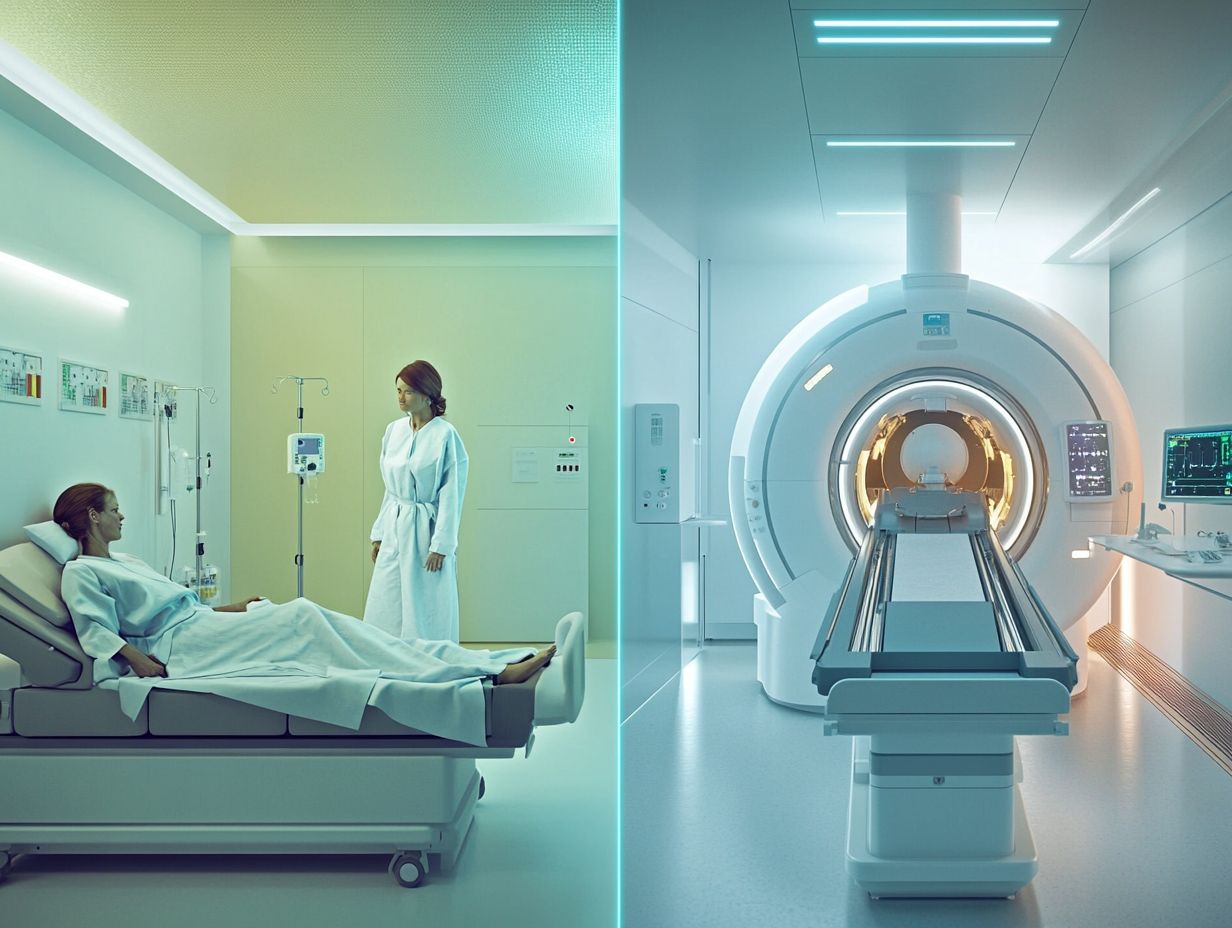
Chemotherapy involves drugs that travel through your bloodstream to reach cancer cells anywhere in your body. These medicines work by stopping cancer cells from growing and dividing, but because they affect rapidly dividing cells, they can also impact healthy cells, leading to side effects like hair loss or fatigue.
Radiation therapy directs focused high-energy radiation at a tumor to damage cancer cell DNA, which prevents further growth. This treatment targets only the specific tumor area, often causing side effects localized to that region, such as skin irritation.
How Do These Treatments Work?
Chemotherapy drugs may be given by vein (intravenously) or by mouth, allowing them to circulate through your entire body. They interfere with cancer cells’ ability to reproduce, eventually leading to cell death.
Radiation therapy, given externally through machines or internally by placing radioactive material near the tumor, damages cancer cells’ DNA directly. While chemotherapy affects the whole body, radiation targets a precise location in the body, making it especially useful for solid tumors like prostate or breast cancer.
Which Treatment Is Right for You?
The choice between chemotherapy, radiation, or both depends on your specific diagnosis. For example, blood cancers such as leukemia often respond better to chemotherapy because the disease affects cells throughout the body. Tumors confined to one area, like early-stage prostate cancer, may be best treated with radiation. Sometimes, combining both treatments improves outcomes—this approach is common in breast and lung cancers. Your oncology team will tailor your treatment plan based on your cancer type, stage, overall health, and goals.
What Are the Side Effects?
Because chemotherapy circulates throughout your body, common side effects include nausea, fatigue, hair loss, and increased infection risk. Radiation therapy’s side effects tend to be localized—skin redness or irritation at the treatment site, fatigue, and sometimes swelling or discomfort depending on the area being treated. Managing these side effects is a vital part of your care, often involving medications, dietary changes, and supportive therapies to help you feel your best during treatment.
How Do Costs and Access Affect Treatment?
The affordability and availability of chemotherapy and radiation therapy depend on where you live, your insurance coverage, and healthcare facilities nearby. Some treatments may be more accessible in larger cancer centers or urban areas. Government programs and nonprofit organizations work to improve access to these vital therapies, aiming to ensure patients receive the care they need regardless of financial challenges.
Why Consider Combination Therapy?
Using chemotherapy and radiation together can be more effective than either one alone, especially for cancers like breast, lung, and colorectal. Combination therapy attacks cancer from multiple angles—chemotherapy targets cancer cells systemically, while radiation focuses on local tumor control. Your oncologist will design a personalized plan to balance effectiveness and side effects, improving your chances for a successful treatment outcome.
Helpful Resources:
Frequently Asked Questions
What is the main difference between chemotherapy and radiation?
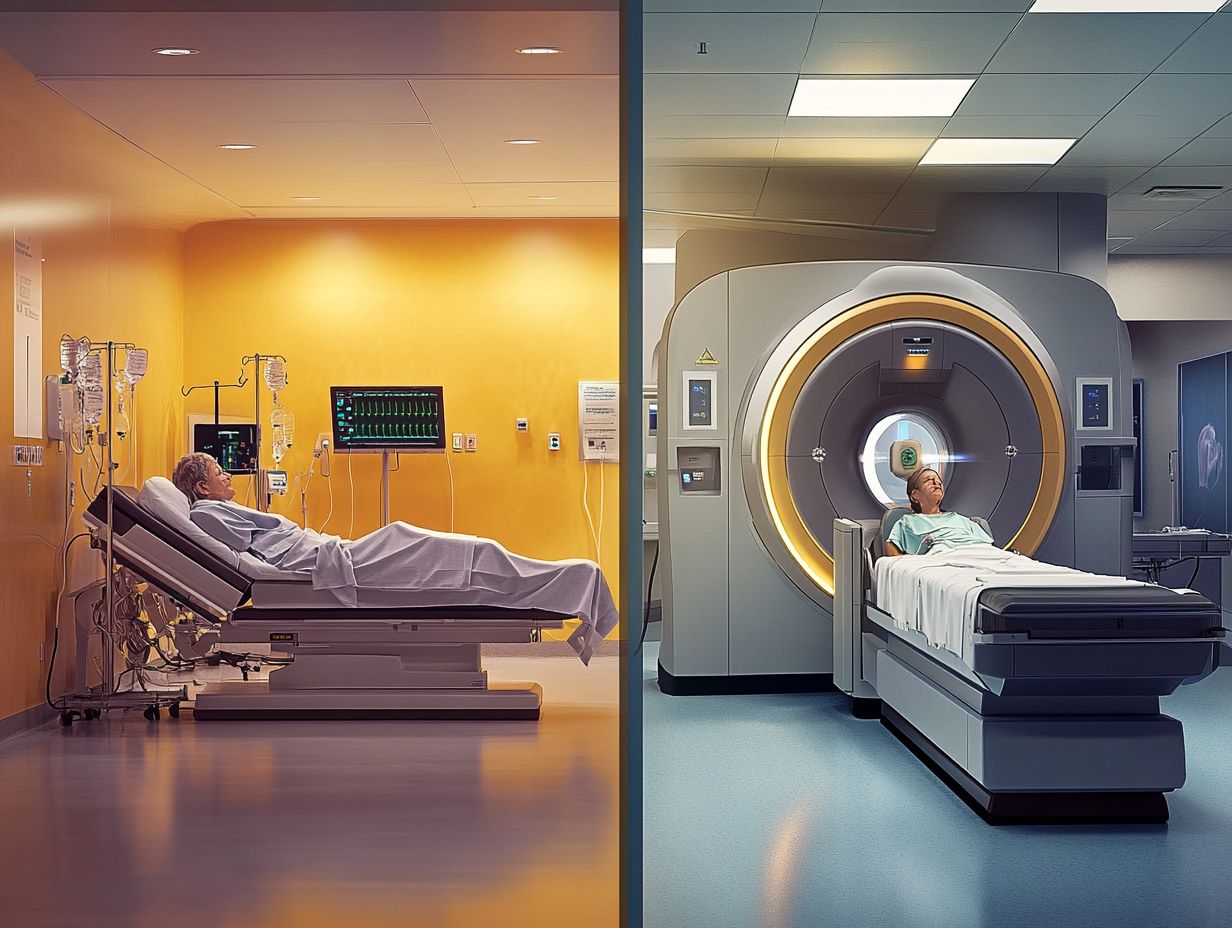
Chemotherapy uses drugs that travel through your bloodstream to kill cancer cells throughout the body, while radiation therapy uses focused high-energy beams directed at specific tumors to destroy cancer cells locally.
Can chemotherapy and radiation be given at the same time?
Yes, often called concurrent or combination therapy, these treatments can be given together to improve effectiveness, depending on the cancer type and your overall health.
Which treatment causes more side effects?
Both can cause side effects but in different ways. Chemotherapy affects the entire body and might cause nausea, hair loss, and fatigue. Radiation side effects are usually local, like skin irritation or fatigue, limited to the treated area.
How do doctors decide which treatment is best for me?
Your oncology team considers your cancer type, stage, location, overall health, and preferences to recommend the treatment plan that offers the best chance for control or cure with manageable side effects.
Is it possible to avoid both chemotherapy and radiation?
In some early-stage or low-risk cancers, surgery or active surveillance may be options. However, many cancers require chemotherapy, radiation, or both to effectively control or eliminate the disease. Your doctor will discuss the best approach for your specific case.