Early detection through regular health check-ups and cancer screenings can make a life-saving difference by finding cancer early, when treatment is most effective. Understanding your personal risk factors—such as family history, lifestyle, and environmental exposures—helps guide which screenings you need and when. Along with medical tests, healthy habits like eating well, staying active, avoiding tobacco, and limiting alcohol significantly reduce your cancer risk. Although barriers such as fear or busy schedules may seem challenging, prioritizing routine check-ups is a powerful way to take control of your health and catch cancer before it advances.
Understanding Cancer and How It Develops
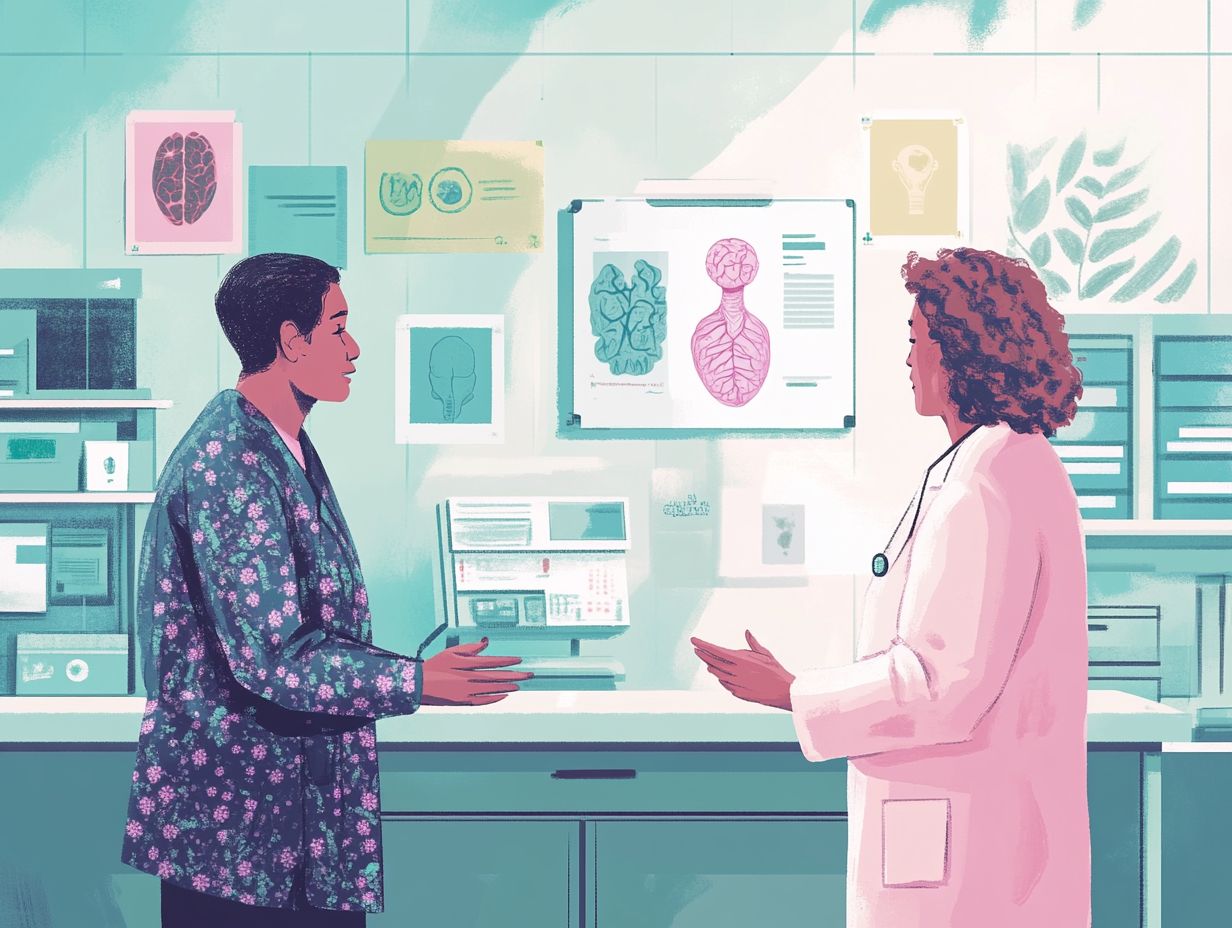
Cancer happens when cells in your body grow out of control. Normally, your cells grow and die in a regulated way, but genetic changes—either inherited or caused by things like smoking or radiation—can disrupt this balance. These mutations cause cells to multiply unchecked, forming tumors. Different types of cancer, such as breast, cervical, colorectal, lung, or prostate cancer, may develop in different ways, but early detection is critical for all.
The Importance of Regular Check-ups and Screenings
Regular health check-ups are your frontline defense against cancer. During these visits, your healthcare provider can recommend specific screening tests based on your age, family history, and lifestyle. For example:
- Mammograms help detect breast cancer early.
- Pap tests screen for cervical cancer.
- Colonoscopies find colorectal cancer before symptoms begin.
- PSA tests can indicate prostate cancer risk.
- Low-dose CT scans assist in lung cancer screening for high-risk individuals.
These screenings can find cancer at an early stage, often before symptoms appear, allowing for more treatment options and better outcomes. Discuss with your provider how often you should be screened—and remember, personalized screening plans work best since everyone’s risk is different.
Why Early Detection Matters to You
Finding cancer early dramatically improves your chances of successful treatment. Cancers detected at an early stage tend to be smaller and less likely to have spread, making treatments more effective and less invasive. For example, early detection of breast cancer through mammography reduces mortality by catching tumors before they grow large or spread. Similarly, colonoscopies can identify precancerous polyps, which can be removed before they turn into cancer.
Common Types of Cancer Screenings
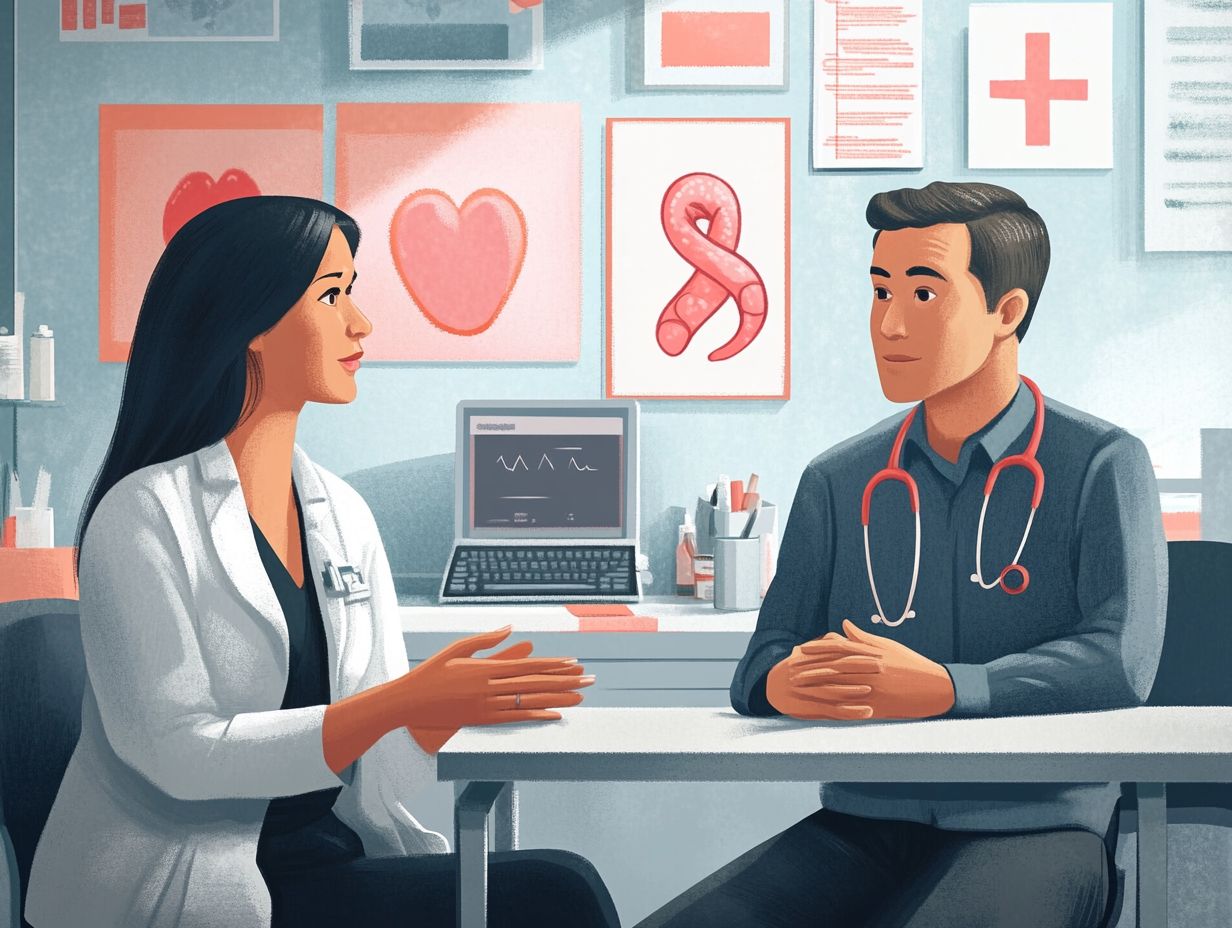
Common types of cancer screenings include tests for various cancers such as breast, cervical, colorectal, and prostate. These screenings are essential for early detection and prevention of advanced cancer:
- Mammography for breast cancer
- Pap tests for cervical cancer
- Colonoscopies for colorectal cancer
- Chest X-rays or CT scans for lung cancer and abdominal ultrasound for liver cancer
- PSA tests for prostate cancer
Cancer screenings detect cancers early, increasing treatment success rates.
Recommended Tests and Frequency
Screening frequency varies by cancer type and individual risk factors. Consultation with healthcare providers is essential for personalized screening plans:
- Breast Cancer: Individuals with a family history should begin mammograms earlier than the general population.
- Colorectal Cancer: Routine colonoscopies typically start at age 45, but those with risk factors may start sooner.
- Prostate Cancer: Men should consider PSA testing based on personal or family history.
Early detection is crucial for improving treatment outcomes.
Healthy Lifestyle Choices Complement Screenings
While screenings are vital, combining them with healthy habits strengthens your defense against cancer:
- Eat a diet rich in fruits, vegetables, whole grains, and lean proteins to provide essential nutrients that may protect cells.
- Stay physically active to maintain a healthy weight and improve your immune system.
- Avoid tobacco in all forms, as smoking is linked to many cancers.
- Limit alcohol intake since heavy drinking increases cancer risk.
Health services and community programs can help you make these changes by providing support, resources, and counseling.
Overcoming Barriers to Regular Check-ups
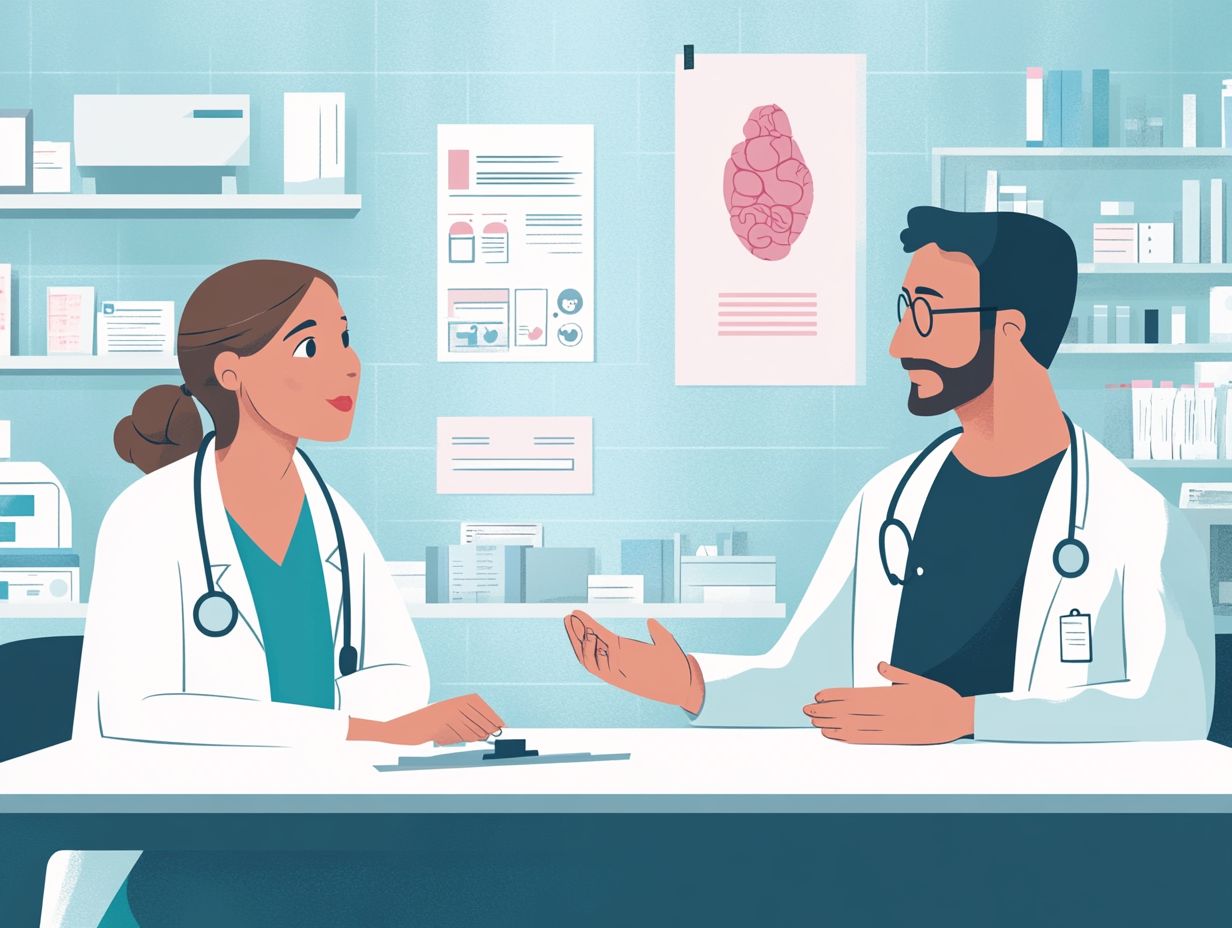
It’s common to delay or avoid screenings due to fear, busy schedules, or financial concerns, but addressing these barriers is key to your wellbeing. Common barriers include:
- Fear of diagnosis
- Lack of time
- Financial constraints
To overcome these barriers, individuals can:
- Seek support from healthcare providers
- Utilize flexible scheduling options
- Explore financial assistance programs
Regular health check-ups and cancer screenings ensure timely intervention and better health outcomes, including the detection of potential cancer diagnosis in its early stages.
Common Concerns Addressed
You might wonder if screenings are uncomfortable or unnecessary if you feel healthy. Many cancers don’t cause noticeable symptoms in early stages, so screenings are your best chance to catch disease early. The tests, while sometimes slightly inconvenient, are generally quick and safe procedures. Think of screenings as proactive steps to protect your future health and give you peace of mind.
Frequently Asked Questions
What is cancer prevention?
Cancer prevention means taking actions to lower your risk of cancer. This includes regular screenings, healthy lifestyle choices, and avoiding exposure to cancer-causing substances. Learn more from the National Cancer Institute.
How important are regular check-ups in cancer prevention?
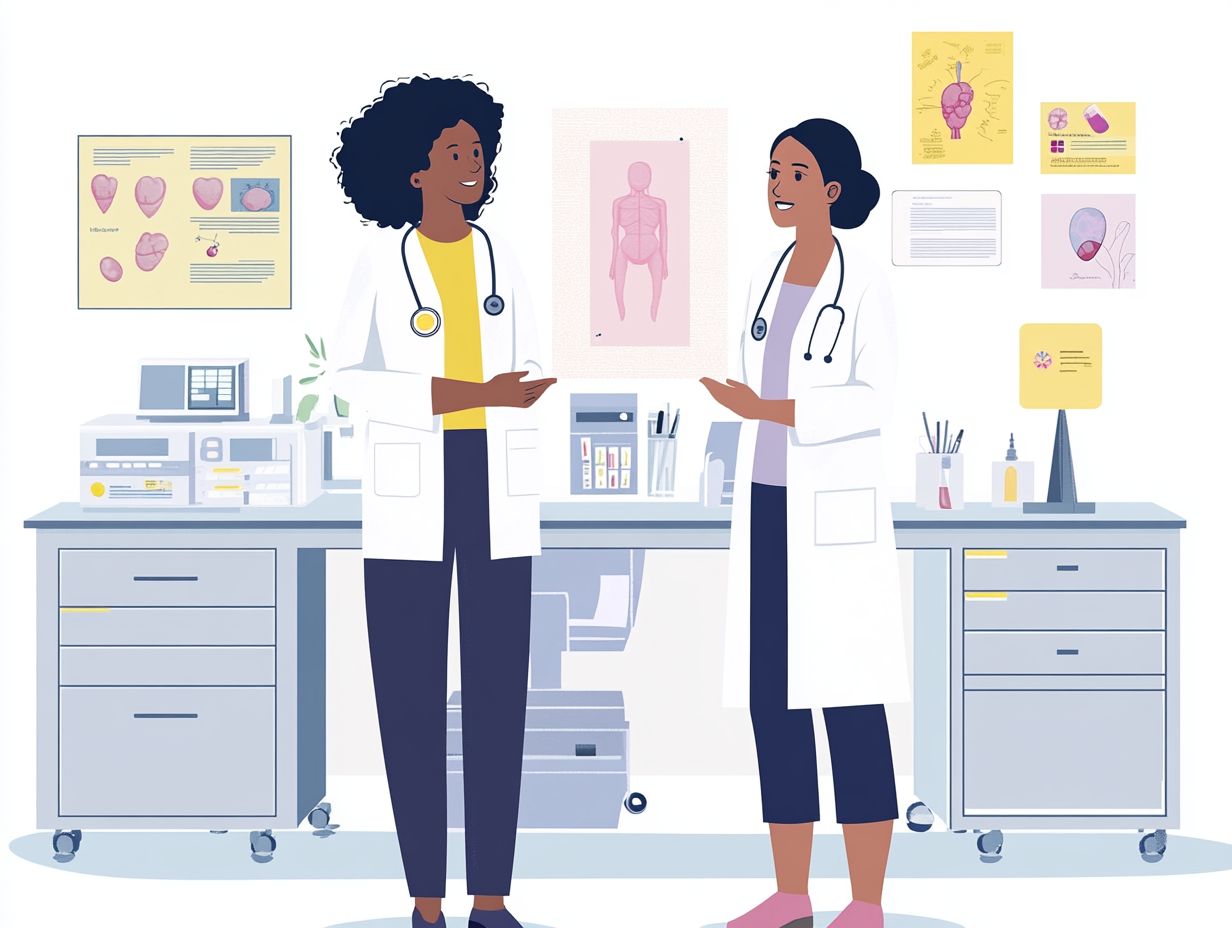
Regular check-ups are crucial because they enable early cancer detection, often before symptoms appear, making treatment more effective and increasing survival chances. The American Cancer Society provides detailed screening guidelines.
How often should I get screened for cancer?
Screening frequency depends on your age, personal risk factors, and family history. Your healthcare provider can create a personalized plan. Generally, mammograms start around age 40–50, colonoscopies at age 45, and others vary accordingly.
Can lifestyle changes really reduce my cancer risk?
Yes, adopting a healthy diet, exercising regularly, avoiding tobacco, and limiting alcohol can lower your risk. See advice from the Centers for Disease Control and Prevention for practical tips.
Are cancer screenings necessary if I have no symptoms or family history?
Absolutely. Many cancers develop silently, making screening essential for everyone, not just those with family history. Early detection improves outcomes for all.