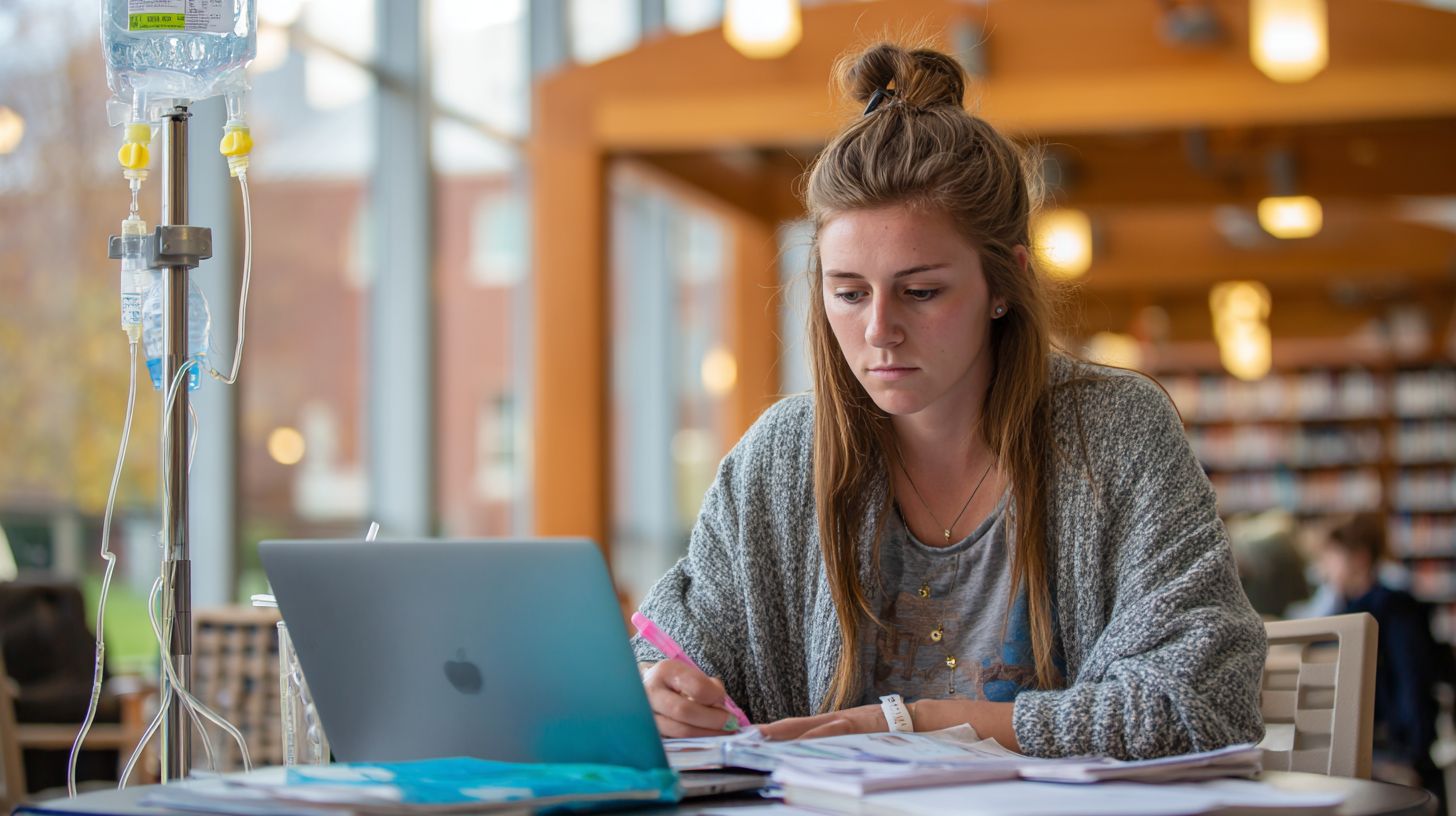
Hey, if you’re a college student facing cancer treatment like chemo, it’s scary to think about losing your hard-earned credits or scholarship. This guide walks you through practical steps to manage treatment alongside school-from coordinating schedules to securing accommodations. You’ve got this, and we’re here to help you keep moving forward.
Explore resources from the Abramson Cancer Center at the University of Pennsylvania in Philadelphia PA, CancerCollegeAlliance led by Natalya Green, University of Florida, Dana-Farber Cancer Institute, Cristina Pozo-Kaderman at Pink Aid, My BCTeam, SHARE Cancer Support, Pink Lemonade Project, Patient Advocate Foundation, Ortlieb Foundation, Dillon Wolford Memorial Scholarship, National Collegiate Cancer Foundation, Cancer for College, San Diego State University, Bright Futures Campaign, and more. Join us on December 4 2025 for upcoming events supporting cancer survivors in higher education.
Key Takeaways:
Getting Diagnosed: First Steps on Campus
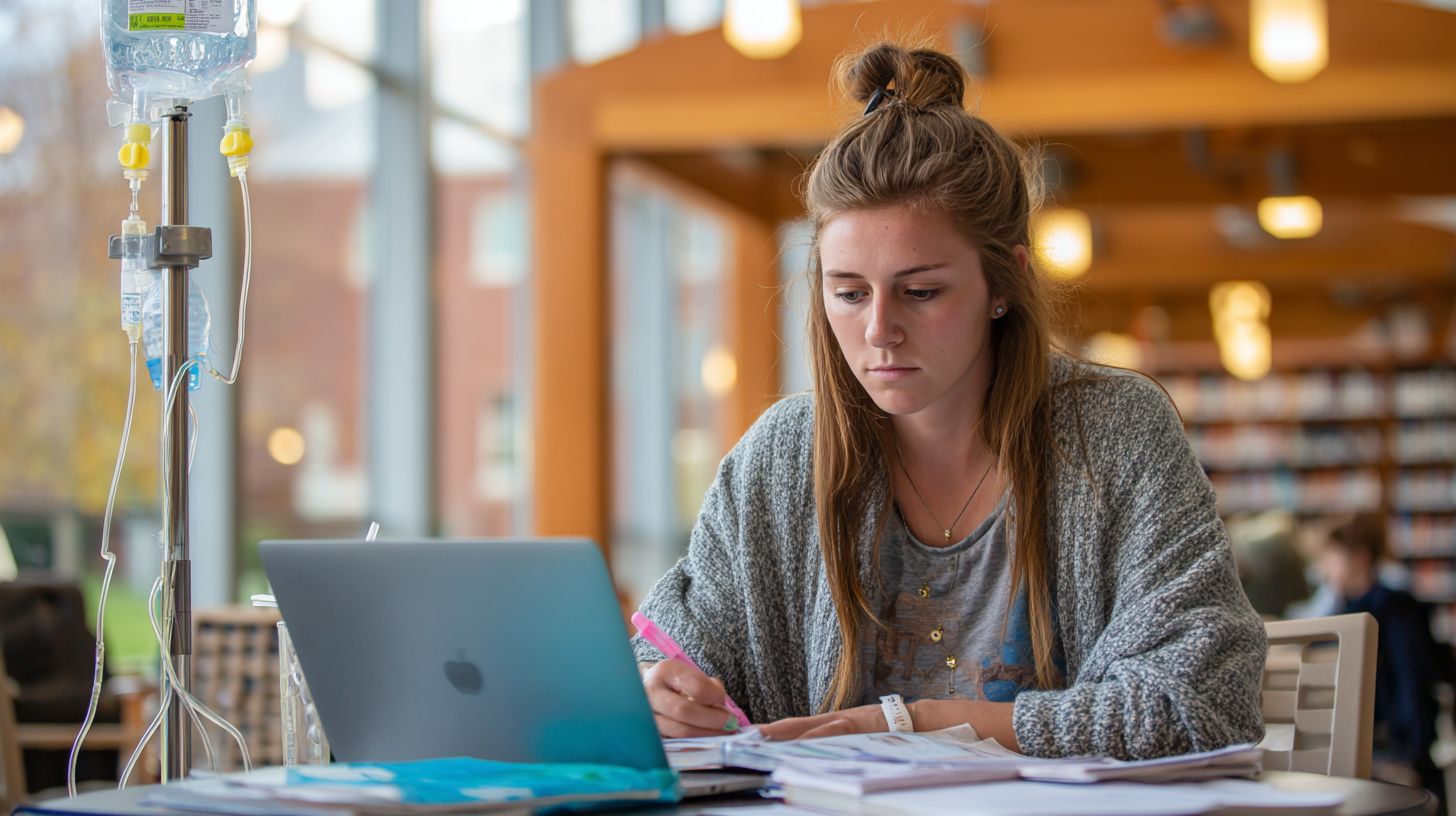
Receiving a cancer diagnosis as a college student turns your world upside down, but taking immediate steps on campus can provide crucial stability and support. The emotional shock often brings fear, uncertainty, and disruption to your daily routine, especially amid demanding coursework and scholarship requirements. Prompt action helps secure accommodations for chemotherapy or radiation therapy while preserving your academic standing.
College students facing breast cancer or other diagnoses must prioritize communication with school administration. Disability services offer personalized plans to manage treatment schedules alongside schoolwork. Academic advising connects you to resources like reduced course loads or virtual support, ensuring you stay on track for your degrees.
Experts recommend reaching out early to safeguard scholarships and credits. Delaying can complicate access to financial aid or extensions for exams. Campus resources, including support groups for young adults with cancer, foster emotional well-being during this challenging time.
Cancer survivors in higher education credit initial disclosures with enabling flexible schedule. Whether pursuing nursing programs or electrical engineering, these steps integrate patient care with career goals. Integrative care from advisors helps balance mental health and academic success.
Notifying Your School and Advisors
Start by contacting your academic advisor and disability services office to disclose your diagnosis and begin the support process. This prompt notification unlocks accommodations tailored to chemotherapy, surgery, or clinical trials. Acting within days prevents setbacks in your educational experiences.
Follow these steps for effective communication with professors:
- Email your advisor and disability services within 48 hours, using a simple template likeI’ve been diagnosed with cancer and need guidance on accommodations.”
- Schedule an in-person or virtual meeting to discuss your treatment schedule and course load adjustments.
- Prepare a medical note from your doctor confirming the diagnosis and outlining needed supports, such as extended deadlines.
A common mistake is delaying notification, which slows access to professors’ flexibility or online options. Advisors typically connect you to campus resources like mental health counseling or survivor scholarships. This process protects your financial aid and scholarships amid medical debt concerns.
Students managing cancer often find academic advising invaluable for time management. For instance, switching to online colleges or lighter loads during radiation therapy maintains progress toward degrees. These early conversations build a foundation for long-term academic success and emotional well-being.
Understanding Treatment Options and Timelines
Cancer treatment options like chemotherapy, surgery, radiation therapy, or clinical trials come with varying timelines that impact your college schedule. For students facing breast cancer protocols, these regimens often demand months of commitment, disrupting lectures and studies routines. Reviewing choices with your oncologist proves essential to match therapy against your academic calendar.
Flexible online colleges offer a vital pathway, allowing adjustable course loads amid infusions or recovery periods. Campus resources, including disability services, can secure accommodations like extended deadlines. Young adults in higher education benefit from aligning treatment schedule s with semester breaks to preserve academic standing.
Surgery might sideline you for weeks, while radiation therapy requires daily sessions over six weeks, clashing with full-time enrollment, as detailed in comprehensive information from the National Cancer Institute (NCI). Experts recommend discussing integrative care options, such as oral chemotherapy, which eases travel to campus. [Learn more about the role of exercise in cancer recovery](https://www.together4cancer.com/post/what-is-the-role-of-exercise-in-cancer-recovery/) to support your return to studies. Support groups for cancer survivors provide insights from peers balancing nursing programs or electrical engineering degrees.
Maintaining scholarships hinges on proactive time management, notifying professors early about your diagnosis. Academic advising helps redistribute course load, safeguarding financial aid and career goals. This strategic approach fosters emotional well-being while pursuing educational experiences.
Coordinating Chemo Schedules with Class Times
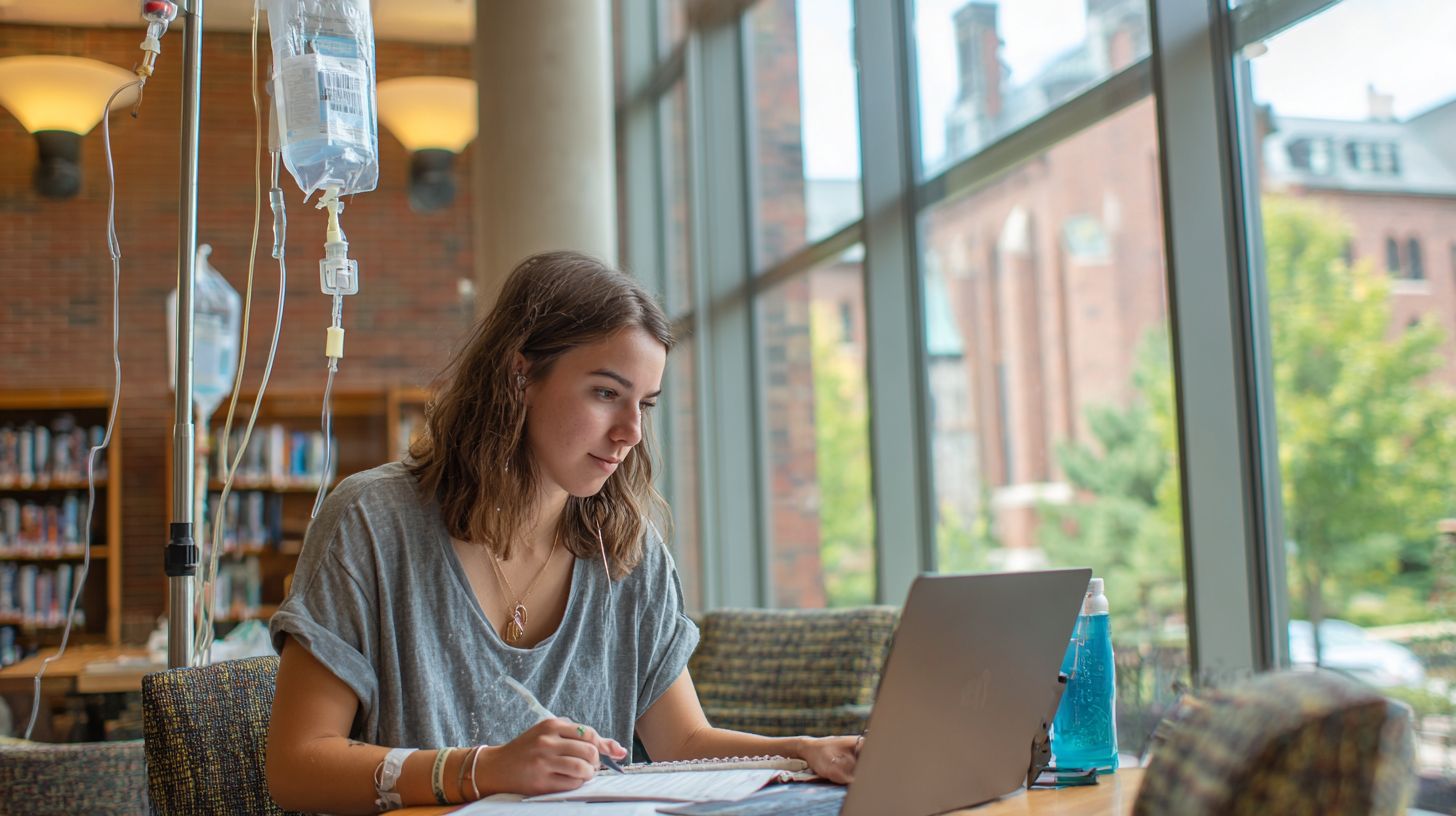
Chemotherapy sessions often span several hours weekly, requiring careful coordination to minimize conflicts with lectures and exams. Request specific infusion times from your oncologist, such as mornings, to attend afternoon classes. This simple step preserves your flexible schedule amid treatment demands.
Switching to online degrees or hybrid courses transforms challenges into opportunities, especially for students managing schoolwork from home. Online colleges accommodate fluctuating energy levels, common during chemo cycles. Track daily vitality in a journal to gauge realistic commitments.
- Ask oncologist for preferred chemo slots matching your syllabus.
- Consult academic advising to reschedule exams, typically needing 1-2 weeks post-treatment.
- Engage disability services for formal accommodations, protecting scholarships and credits.
Avoid overcommitting to full course loads; professors often adjust when informed of your situation. Virtual support from campus resources bolsters mental health, drawing on stories from cancer survivors in higher education. This coordination ensures academic success without accruing medical debt or losing momentum toward graduation.
Securing Academic Accommodations
Formal accommodations ensure you maintain academic standing despite cancer-related challenges like fatigue or absences. College disability services offices guide students through ADA-compliant processes tailored to treatment demands such as chemotherapy or radiation therapy.
These offices approve vital supports like extended deadlines and note-takers, helping cancer students in programs like electrical engineering or nursing programs manage schoolwork without sacrificing degrees. Professors often collaborate once accommodations are documented, fostering a support environment for young adults facing breast cancer or clinical trials.
Campus resources extend to academic advising and virtual support, ensuring treatment schedules align with course loads. Early engagement preserves scholarships and financial aid, critical amid medical debt concerns for cancer survivors.
Experts recommend consulting disability services promptly to customize plans that safeguard emotional well-being and career goals in higher education (see our 5 Essential Legal Rights for Cancer Patients for related protections).
Filing for Medical Leave or Reduced Course Load
Applying for medical leave or dropping to part-time status protects your progress without GPA penalties. This approach suits college students balancing chemotherapy, surgery, or radiation therapy with demanding studies in fields like online colleges or patient care programs.
Follow this numbered process to streamline approval:
- Submit a doctor’s letter to disability services detailing treatment needs, such as radiation therapy schedules or fatigue from clinical trials.
- File the formal request form within policy deadlines, including documentation of absences to avoid common mistakes.
- Meet with an academic advisor to explore retroactive withdrawal options, typically resolved in 5-10 business days.
Documenting absences first prevents setbacks, while advisors help adjust course loads for flexible schedules in support groups or integrative care contexts.
Such measures support academic success for cancer survivors pursuing scholarships, time management strategies, and long-term educational experiences amid mental health priorities.
Protecting Scholarships and Financial Aid
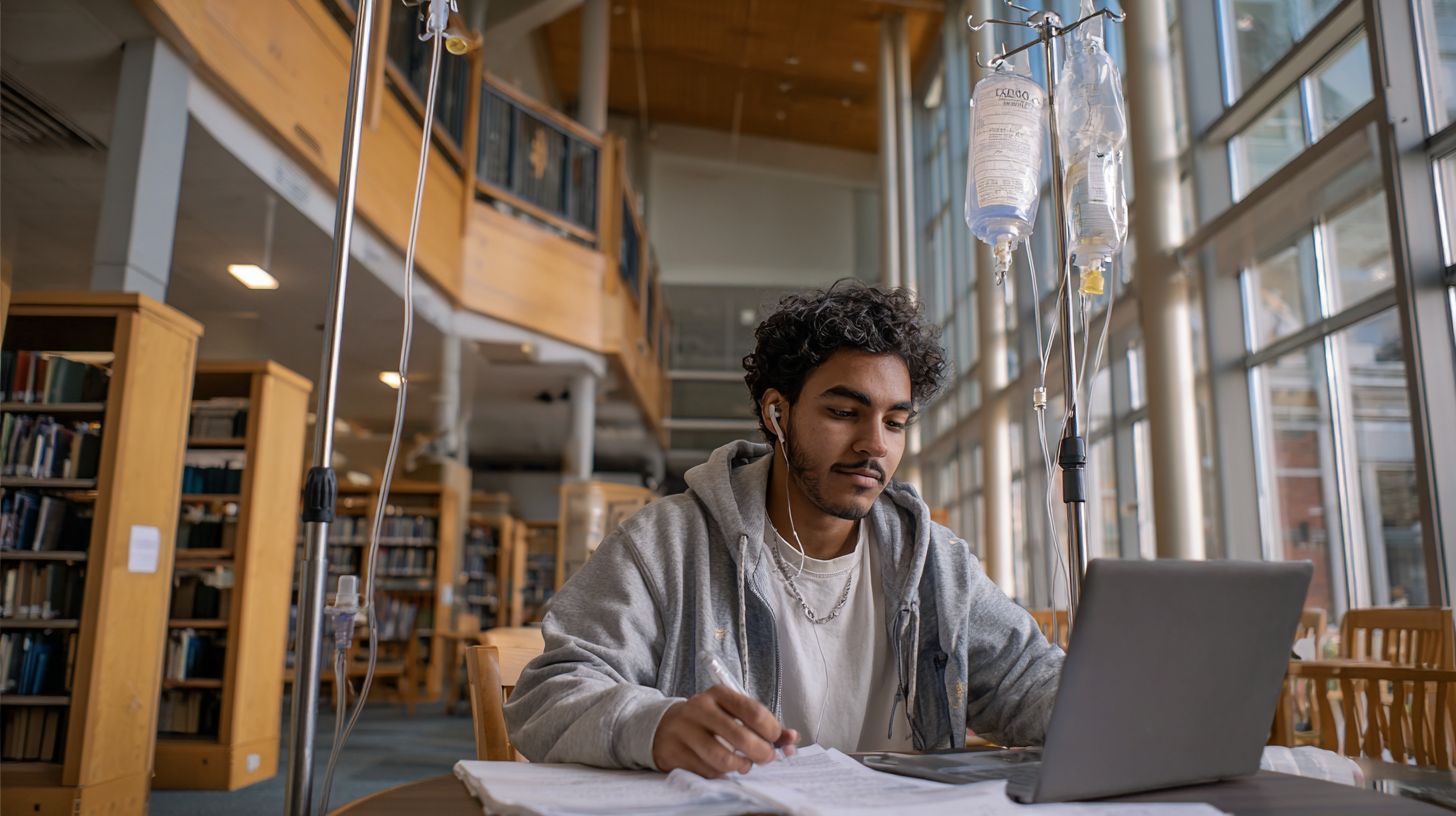
Cancer treatment can jeopardize scholarships and financial aid, but proactive appeals preserve your funding. Students facing chemotherapy or radiation therapy often reduce their course load, triggering reviews that threaten merit-based awards. Medical debt adds pressure, yet strategic steps safeguard degrees in fields like electrical engineering or nursing programs.
Financial aid offices evaluate academic standing tied to enrollment levels, common for young adults in higher education battling cancer. Campus resources, including academic advising, help navigate these rules. Survivors pursuing career goals benefit from documenting treatment schedules early.
Explore survivor scholarships from organizations like Cancer for College, CancerCollegeAlliance, and the National Collegiate Cancer Foundation, which support students resuming studies post-treatment. These awards ease medical debt burdens while maintaining flexible schedules. Pair them with school appeals for comprehensive financial protection.
Disability services at centers like the Abramson Cancer Center at the University of Pennsylvania in Philadelphia PA can advocate for accommodations preserving aid eligibility amid emotional well-being challenges. Time management tools and virtual support groups aid in balancing patient care with schoolwork. Proactive engagement ensures cancer does not derail educational experiences.
Documenting Medical Needs for Appeals
Gather detailed medical documentation to successfully appeal scholarship or aid reductions due to reduced enrollment for disabilities. Oncologist letters outlining chemotherapy cycles and radiation therapy timelines form the core of your case. Treatment summaries highlight impacts on course load for professors and financial aid staff.
Follow these steps for effective appeals, with guidance from experts like Natalya Green or Cristina Pozo-Kaderman:
- Collect oncologist letters, treatment summaries, and chemo or radiation schedules from your care team.
- Draft an appeal letter explaining how cancer affects your ability to maintain full-time status, including effects on mental health and academic success.
- Submit everything to the financial aid office and track progress via the student portal.
Reference survivor scholarships like the Dillon Wolford Memorial Scholarship, those from Cancer for College or the National Collegiate Cancer Foundation, Pink Aid, and the Bright Futures Campaign ending December 4 2025, noting deadlines vary by program. These options support cancer survivors in online colleges or traditional campuses. Academic advisors can review your packet for strength.
Integrative care plans from disability services at places like the Dana-Farber Cancer Institute or University of Florida strengthen appeals by linking treatment to necessary accommodations. Support groups for young adults offer templates for appeal letters. Consistent documentation protects financial aid during clinical trials or surgery recovery periods.
Managing Side Effects During School
Side effects from chemotherapy or radiation therapy at centers like San Diego State University‘s programs, like nausea and fatigue, demand targeted strategies to sustain schoolwork [ Side Effects of Cancer Treatment – NCI]. College students facing cancer must balance treatment schedules with demanding coursework. Practical steps help maintain academic standing while prioritizing health.
Prioritize rest post-treatment to combat exhaustion, scheduling naps after sessions before tackling assignments. Use anti-nausea medications proactively, especially before study periods, to keep focus sharp. Break assignments into 20-minute sessions with short breaks, easing the burden on your body and mind.
Practice mindfulness techniques daily for mental health support, reducing anxiety from cancer diagnoses. Integrate integrative care like nutrition consults to bolster energy levels amid school demands. Track symptoms using a dedicated app, sharing logs with professors for informed accommodation requests.
Consult disability services early to secure flexible deadlines or reduced course loads. This approach aids young adults in higher education, preserving scholarships and credits during treatment. Campus resources, including academic advising, prove vital for long-term success.
Daily Strategies for Fatigue and Nausea
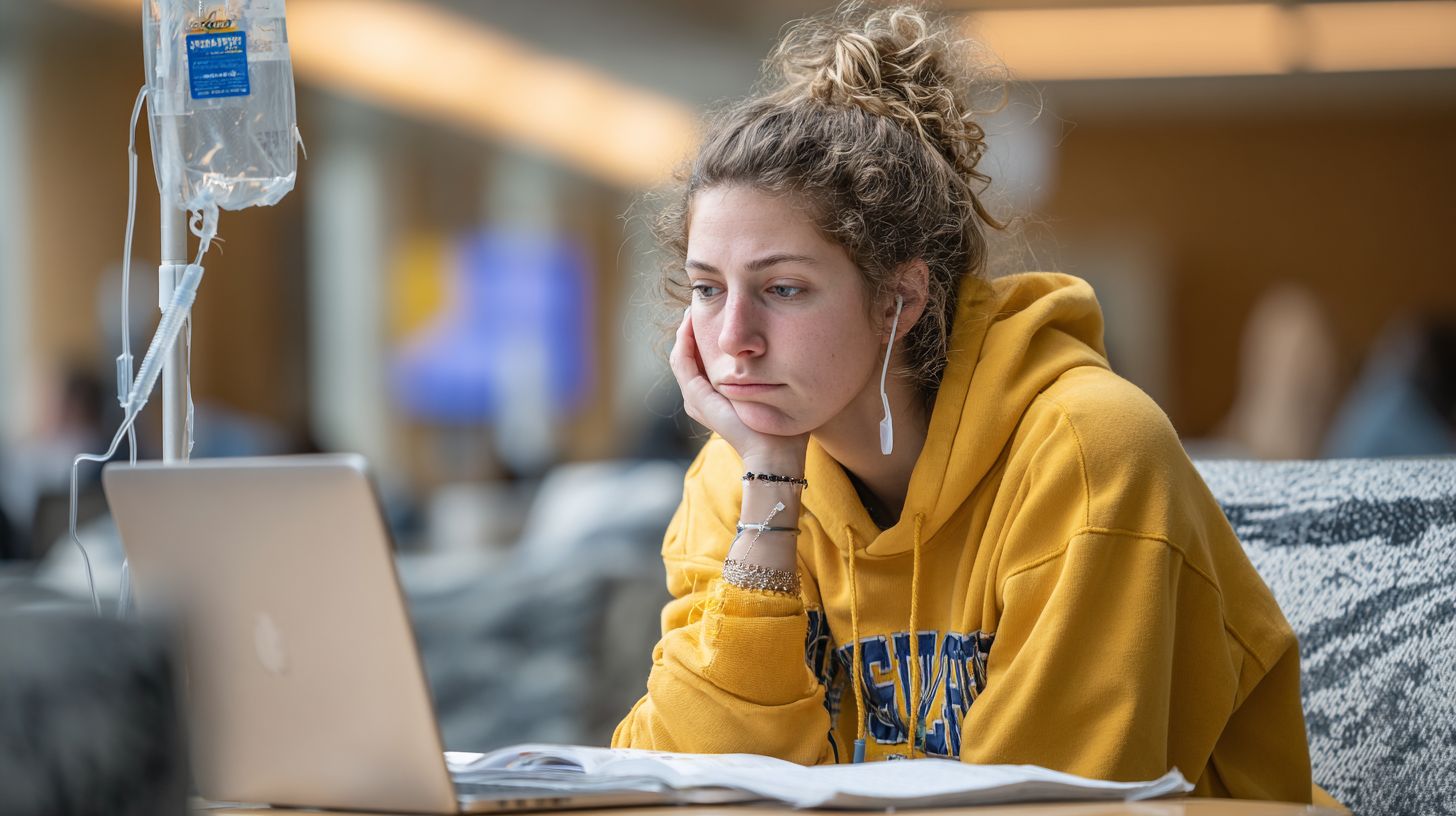
Fatigue from chemotherapy disrupts concentration, yet simple routines restore balance for students. Rest immediately after infusions, then ease into light tasks like reading notes. Pair this with hydration and small, nutrient-dense meals to sustain energy through lectures.
Anti-nausea meds taken preemptively transform study sessions, allowing electrical engineering majors or nursing program students to engage without distress. Set phone reminders for doses aligned with class times. Experts recommend combining these with ginger tea for added relief during campus days.
- Schedule treatment around peak study hours, opting for mornings if afternoons drag.
- Use noise-cancelling headphones for focused, nausea-free review in quiet library corners.
- Alternate seated study with gentle walks to circulate blood and fight drowsiness.
Time Management and Academic Accommodations
Divide schoolwork into manageable chunks to accommodate side effects, ensuring progress toward degrees. A 20-minute timer prevents overwhelm, ideal for online college courses with flexible schedules. Professors often grant extensions when informed via disability services.
Discuss your treatment schedule openly with instructors, requesting recorded lectures or virtual support. This preserves scholarships for cancer survivors pursuing career goals. Academic advising helps adjust course loads without risking financial aid.
Track everything in an app, noting fatigue peaks to plan around them. Such proactive time management supports emotional well-being, vital for young adults navigating cancer on campus. Support groups offer shared tips from fellow student survivors.
Holistic Support for Mental and Physical Health
Mindfulness practices counter the mental toll of cancer treatment, fostering resilience amid studies. Short daily meditations, via free apps, sharpen focus for demanding majors. Pair with integrative care, like acupuncture referrals from campus health centers.
Seek nutrition consults to tailor diets combating chemotherapy-induced issues, enhancing stamina for schoolwork. Virtual support groups connect you with peers in similar situations, from breast cancer patients to those in clinical trials. This builds a network for sustained academic success.
- Journal symptoms and wins to monitor patterns and celebrate progress.
- Engage professors for empathy-based flexibility, safeguarding your standing.
- Explore survivor scholarships to ease medical debt pressures during recovery.
Building Your Support Network
A strong support network of peers, professionals, and groups eases the isolation of managing cancer in college. Students facing chemotherapy or radiation therapy often feel alone amid demanding schoolwork and treatment schedules. Connecting with others builds resilience and practical strategies for maintaining scholarships and credits.
Join communities like CancerCollegeAlliance, My BCTeam, SHARE Cancer Support, Pink Lemonade Project, or the Patient Advocate Foundation to access student survivor stories. These platforms offer insights from young adults balancing breast cancer treatment with higher education. Reading real accounts helps normalize challenges like medical debt and academic standing.
Attend SHARE Cancer Support or Ortlieb Foundation virtual meetings for structured discussions on emotional well-being, as the American Cancer Society highlights in their guide on special issues for young adults with cancer. Related insight: Building a Support Network During Cancer shares actionable steps that align perfectly with connecting through campus groups and online communities. These sessions connect you with cancer survivors pursuing degrees in fields like electrical engineering or nursing programs. Sharing goals, such as completing an engineering degree, fosters mutual encouragement during clinical trials or surgery recovery.
- Connect with campus support groups through disability services for tailored accommodations.
- Build relationships with professors via office hours to discuss flexible schedules and course load adjustments.
- Explore academic advising for time management tips that protect your financial aid and survivor scholarships.
These steps integrate campus resources with online support, enhancing patient care and academic success. Professors often provide extensions when informed early, preserving your path to career goals despite cancer’s demands.
Staying Organized: Tools and Strategies
Effective organization bridges treatment schedules and academic demands for sustained success. College students facing chemotherapy or radiation therapy must align medical appointments with class times and deadlines. Practical tools help manage schoolwork without sacrificing academic standing or scholarships.
Google Calendar excels at syncing chemo sessions with lectures, especially for online colleges. Set recurring events for infusions and block recovery periods around them. Color-code categories like clinical trials, professors’ office hours, and study blocks to visualize conflicts early.
Trello offers visual task boards ideal for tracking assignments in demanding fields like electrical engineering. Assign due dates to cards for essays, labs, and exams, moving them across lists as progress unfolds. Notion templates streamline note-taking, centralizing lecture summaries with treatment journals for holistic tracking.
- Batch low-energy tasks like email replies during high-fatigue post-chemo days.
- Conduct a weekly review every Sunday to adjust priorities and contact disability services if needed.
- These free tools adapt seamlessly for online colleges, supporting flexible schedules amid surgery recovery or integrative care.
Experts recommend pairing these with academic advising to safeguard financial aid and course loads. Cancer survivors in nursing programs often credit such strategies for balancing patient care duties with degrees. This approach fosters emotional well-being and career goals in higher education.
Long-Term Planning and Recovery
Beyond active treatment, strategic planning supports cancer survivors returning to higher education and career goals. College students facing chemotherapy, surgery, or radiation therapy often worry about maintaining scholarships and academic standing. Thoughtful preparation ensures a smoother re-entry into schoolwork.
Consult academic advising early to map out re-entry, especially for demanding fields like nursing programs or electrical engineering degrees. Advisors can help adjust course loads and secure accommodations through disability services. This approach protects financial aid and survivor scholarships like the Dillon Wolford Memorial Scholarship while prioritizing emotional well-being.
Explore online colleges like those at the University of Florida for their flexible schedules, ideal for young adults balancing recovery from breast cancer or clinical trials. These programs allow patient care alongside studies without commuting stress. Virtual support groups like My BCTeam complement this by fostering mental health during treatment schedules.
- Leverage campus resources like survivor programs from the CancerCollegeAlliance or National Collegiate Cancer Foundation for integrative care and time management tips.
- Set milestones such as graduating debt-free to stay motivated amid medical debt concerns, with support from organizations like Cancer for College or the Bright Futures Campaign.
- Connect with professors for adjusted expectations on assignments and exams.
By focusing on emotional well-being and gradual increases in course load, cancer survivors achieve academic success at institutions like San Diego State University or the Abramson Cancer Center at the University of Pennsylvania in Philadelphia PA. This holistic strategy aligns higher education with long-term career goals, turning challenges into triumphs.
Experts like Natalya Green from Dana-Farber Cancer Institute and Cristina Pozo-Kaderman, along with groups such as Pink Aid, SHARE Cancer Support, Pink Lemonade Project, Patient Advocate Foundation, and Ortlieb Foundation, endorse these strategies ahead of events like the December 4 2025 awareness date.