Cancer rates for several common types—like lung, breast, and prostate cancer—are rising worldwide, posing serious challenges to health systems and individuals alike. Understanding what increases your risk, recognizing symptoms early, and accessing timely screenings can significantly improve outcomes. This guide breaks down the key facts about these cancers, explains how they are diagnosed and treated, and shares practical steps you can take to reduce your risk and support your health.
Lung Cancer

Lung cancer remains one of the deadliest cancers globally, causing around 1.8 million deaths each year. If you smoke or have been exposed to secondhand smoke, your risk is much higher. Symptoms can include a persistent cough, chest pain, or unexplained weight loss. New treatments like immunotherapy and targeted drugs have improved survival, but quitting smoking and regular screenings remain vital prevention tools. Learn more from the American Cancer Society on lung cancer.
Breast Cancer
Breast cancer affects about 1 in 8 women, with higher incidence and mortality rates seen in African American women. Early signs might be a new lump or changes in breast shape. Regular mammograms are key to catching it early when treatment is most effective. Advances in hormone therapies and surgery have greatly improved survival rates. For advice tailored to you, visit the National Cancer Institute’s breast cancer page.
Prostate Cancer
Prostate cancer is common in men over 50, with a 5-year survival rate close to 98% if detected early. Symptoms may include difficulty urinating or pelvic discomfort, but it’s often found through PSA blood tests before symptoms arise. Treatment ranges from active surveillance to surgery or hormone therapy, depending on the cancer’s aggressiveness. Maintaining a healthy lifestyle may reduce your risk. The Mayo Clinic provides detailed insights on prostate cancer.
Skin Cancer
Melanoma, the most aggressive skin cancer, is on the rise due to increased UV exposure. Watch for new or changing moles, and practice sun safety by using broad-spectrum sunscreen, wearing protective clothing, and avoiding peak sun hours. Monthly self-exams and dermatologist visits can help detect skin cancer early when it’s most treatable. Helpful resources include Skin Cancer Foundation guidelines.
Colorectal Cancer
Over age 50, your risk of colorectal cancer increases, especially if you have a family history or certain lifestyle factors. Symptoms may include changes in bowel habits or blood in the stool. Routine colonoscopies are effective for early detection and even preventing cancer by removing precancerous polyps. Treatments involve surgery, chemotherapy, or targeted therapies. The American Cancer Society recommends screening guidelines here.
Pancreatic Cancer

Pancreatic cancer is tough to detect early, contributing to a low 5-year survival rate of about 10%. Risk factors include obesity, smoking, and inherited gene mutations. Symptoms like jaundice or abdominal pain often appear late. While treatments include surgery and chemotherapy, research into better early detection methods and therapies is ongoing. For current research updates, visit the National Cancer Institute’s pancreatic cancer page.
Liver Cancer
Liver cancer rates are rising, often linked to hepatitis infections, chronic alcohol use, or obesity-related liver disease. Symptoms might include fatigue, abdominal pain, or jaundice. Early diagnosis through imaging and blood tests enables treatments such as liver transplantation or targeted therapies. Vaccination against hepatitis B and managing liver health can help prevent cancer. Find prevention and treatment tips from the CDC on liver cancer.
Understanding Your Personal Risk
You can’t change some factors like age or genetics, but lifestyle choices have a big impact. Avoiding tobacco, maintaining a healthy weight, staying physically active, and protecting your skin from sun can all reduce cancer risk. Environmental exposures, such as certain chemicals or radiation, may also increase risk, so minimizing contact where possible is important.
Recognizing Symptoms and When to See a Doctor
Knowing the warning signs can make all the difference. Unexplained weight loss, persistent cough or pain, new lumps, changes to your skin, or abnormal bleeding all warrant prompt medical attention. Getting regular recommended screenings can detect cancer before symptoms start, improving your chances for successful treatment.
How Cancer Is Diagnosed
Your doctor may use imaging tests like CT scans or MRIs to detect abnormalities, followed by biopsies to confirm the presence of cancer by examining tissue samples. Blood tests can detect markers linked to certain cancers. Early diagnosis generally leads to better treatment outcomes.
Treatment Options Explained
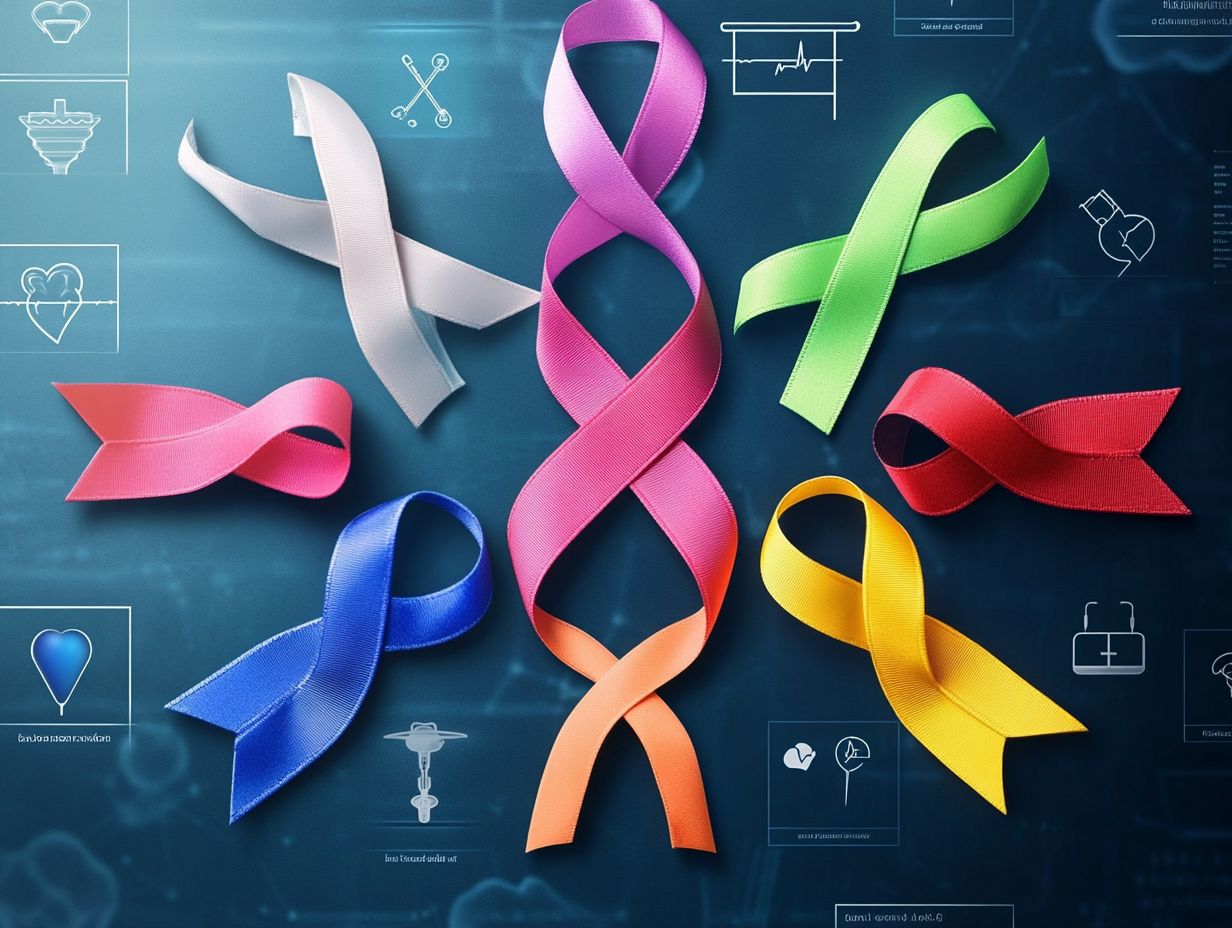
Cancer treatments vary widely depending on the type and stage. Surgery, chemotherapy, radiation, immunotherapy, targeted therapies, and hormone therapy are all common options. Emerging treatments, such as CAR T-cell therapy, hold promise for tough-to-treat cancers. Your care team will tailor therapy to your needs, balancing effectiveness with quality of life.
Improving Survival With Early Detection and Advances
Survival rates differ by cancer type—breast and prostate cancers often have high survival rates when caught early, whereas lung and pancreatic cancers tend to have lower rates due to later detection. That’s why following screening guidelines and noticing changes in your body is so important.
Ongoing Research Gives Hope
Scientists are continually studying cancer biology, screening methods, and innovative treatments like personalized medicine and immunotherapy. Organizations like the American Cancer Society and the National Cancer Institute fund research and offer education to help you stay informed.
Take Charge of Your Health Today
By understanding your risk, paying attention to your body, and participating in recommended screenings, you give yourself the best chance to prevent cancer or catch it early. Support is available through healthcare providers and trusted organizations, so you’re never alone on this journey.
Frequently Asked Questions
1. Which cancers are seeing the biggest increases in cases?

Breast, lung, prostate, skin (especially melanoma), colorectal, pancreatic, liver, thyroid, and kidney cancers are among those with rising incidence worldwide.
2. What factors contribute to these rising cancer rates?
Lifestyle habits like smoking, obesity, poor diet, and physical inactivity, along with environmental exposures and an aging population, contribute to increased cancer risks.
3. At what age should I start screening for common cancers?
Screening recommendations vary: mammograms usually start at age 40-50 for breast cancer, colonoscopies at 45-50 for colorectal cancer, and PSA tests for prostate cancer often begin around 50. Talk to your doctor about what’s appropriate for you.
4. How can I reduce my risk of developing cancer?
Maintain a healthy weight, exercise regularly, avoid tobacco and limit alcohol, protect your skin from UV rays, eat a balanced diet rich in fruits and vegetables, and stay up to date on vaccinations like HPV and hepatitis B.
5. Why is early detection so important?
Cancers found early are usually more treatable and have higher survival rates. Regular screenings and being alert to symptoms help catch cancer before it spreads.
For more information, the National Cancer Institute offers comprehensive guidance on cancer prevention and early detection, and the American Cancer Society provides detailed resources on cancer types and treatment. Staying informed empowers you to make decisions that protect your health.