Many early warning signs can help you identify when it’s time to consider cancer screening—an essential step toward catching cancer early when treatment is most effective. Symptoms such as unexplained weight loss, ongoing fatigue, changes in bowel or bladder habits, unusual bleeding, difficulty swallowing, persistent pain, and changes in your skin or moles may all signal underlying issues that require medical attention. Understanding these signs and knowing when to talk to your healthcare provider can empower you to take timely action. This article guides you through key symptoms to watch for, different types of cancer screenings, their benefits and risks, and how personalized screening schedules can help protect your health.
Key Symptoms That Should Prompt Cancer Screening
If you notice symptoms that seem unusual or persistent, don’t ignore them—these could be early signals of cancer or other serious health conditions:
- Unexplained Weight Loss: Losing weight without trying can be a sign of various cancers such as colorectal, breast, or skin cancer. If you experience sudden weight loss without a clear reason, it’s important to consult your doctor for evaluation. American Cancer Society on unexplained weight loss
- Persistent Fatigue: Feeling constantly tired even after rest may indicate an underlying problem, including cancer. This kind of fatigue is different from normal tiredness and should be discussed with a healthcare provider.
- Changes in Bowel or Bladder Habits: Noticeable changes like frequent urination, blood in urine or stool, or changes in stool color and consistency can signal colorectal or bladder cancer. These symptoms always warrant medical assessment.
- Unexplained Pain or Discomfort: Persistent abdominal pain, joint pain, or other ongoing discomfort without a clear cause might be related to cancers such as leukemia, lymphoma, pancreatic, or ovarian cancer.
- Unusual Bleeding or Discharge: Abnormal vaginal bleeding, blood in urine, or other unusual discharges may indicate cancers like cervical, endometrial, or bladder cancer and should be evaluated promptly.
- Difficulty Swallowing: If swallowing food or liquids becomes painful or difficult, it could be a symptom of oral or esophageal cancer, especially if accompanied by weight loss or persistent cough.
- Changes in Skin or Moles: Alterations in size, color, shape, or texture of moles or new growths on your skin may indicate melanoma or other skin cancers. Regular skin self-exams can help you spot changes early. Melanoma Skin Cancer Foundation on mole changes
If you experience any of these symptoms, speaking with your healthcare provider as soon as possible can lead to early diagnosis and better outcomes.
1. Unexplained Weight Loss
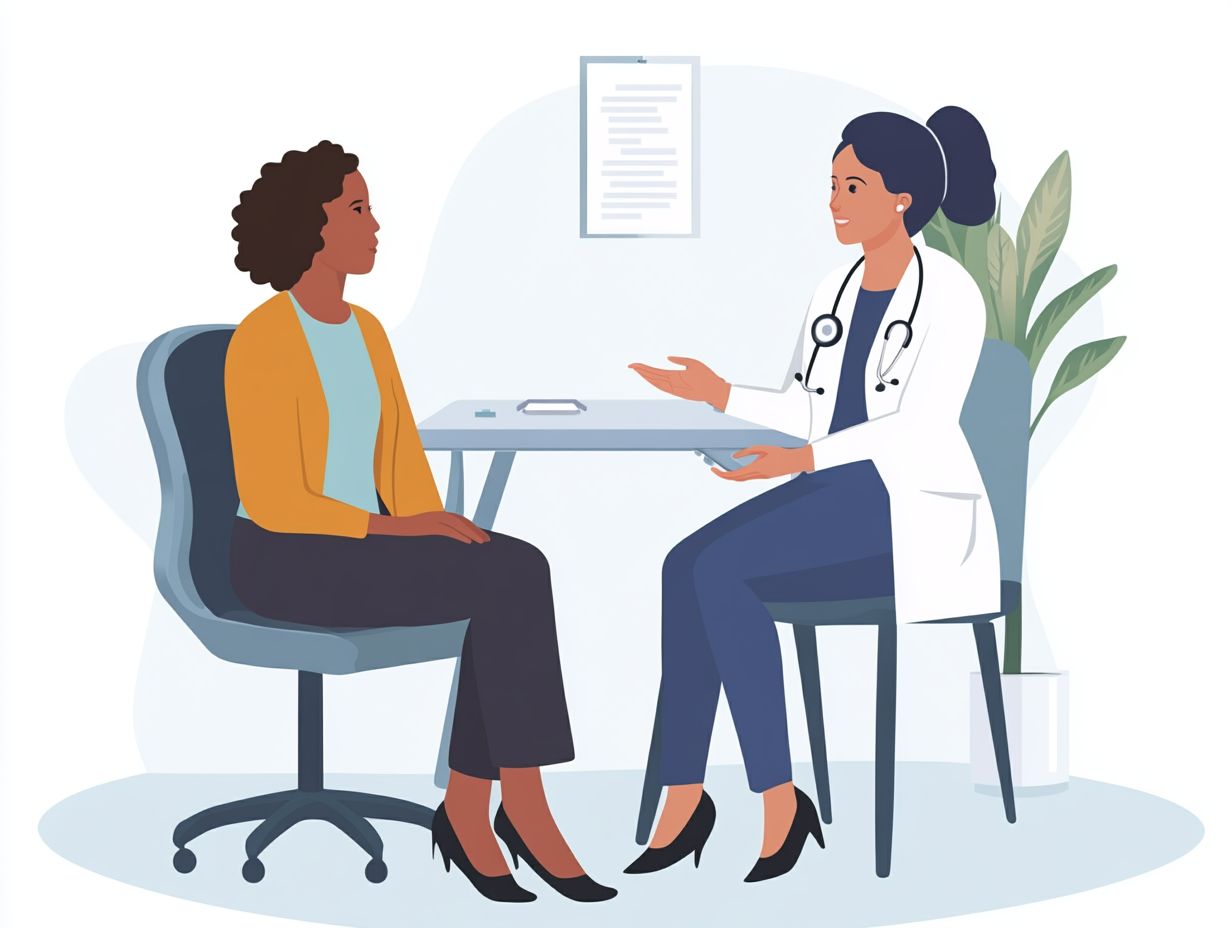
Unexplained weight loss can signal underlying health issues, including cancer types like colorectal, breast, and skin cancer. It is an important symptom highlighted by organizations like the American Cancer Society. Weight loss without a known cause may result from hormonal imbalances, psychological conditions, or chronic illnesses. Consulting a healthcare provider for evaluation and diagnosis is crucial if unexplained weight loss occurs. Early detection of health issues, such as cancer, through medical assessments can improve treatment outcomes.
Persistent Fatigue
Persistent fatigue is ongoing tiredness that persists despite adequate rest and may indicate serious health issues, including cancer. It differs from normal tiredness due to its chronic nature and inability to be relieved by sleep. Persistent fatigue requires medical evaluation to identify potential underlying conditions.
Changes in Bowel or Bladder Habits
Changes in bowel or bladder habits include alterations in stool frequency, color, consistency, and urinary urgency or incontinence. These changes can indicate health issues like colorectal or bladder cancer and should be discussed with a healthcare provider for proper evaluation.
Unexplained Pain or Discomfort
Unexplained pain or discomfort, persistent and without clear cause, may indicate underlying health issues, including cancer. Chronic abdominal pain can signal pancreatic or ovarian cancer, while prolonged joint pain may relate to leukemia or lymphoma. Recognizing these symptoms alongside other indicators like weight loss or fatigue is essential for early diagnosis. Consulting a healthcare provider is crucial for accurate diagnosis and immediate attention.
Unusual Bleeding or Discharge
Unusual bleeding or discharge, such as vaginal bleeding, can indicate health issues, including cancers like endometrial, cervical, or bladder cancer. Symptoms may include unexplained vaginal bleeding, blood in urine, or abnormal discharge. Immediate consultation with a healthcare provider is necessary for evaluation and diagnosis.
6. Difficulty Swallowing
Difficulty swallowing, or dysphagia, is the sensation of trouble or pain when swallowing food or liquids. It can indicate health conditions like oral cancer and may be accompanied by symptoms such as unexplained weight loss or persistent cough. Immediate medical consultation is crucial for diagnosis and treatment of difficulty swallowing.
Changes in Skin or Moles
Changes in skin or moles can indicate potential health issues such as skin cancer, including melanoma. Changes to watch for include alterations in color, size, shape, or texture of moles, or the emergence of new growths. Consult a healthcare provider for evaluation if any unusual changes occur. Regular skin checks are important for early detection and effective intervention.
What Is Cancer Screening and Who Should Get It?
Cancer screening involves tests and exams designed to detect cancer before symptoms appear. Early detection improves treatment success and survival rates. Common screening methods include mammograms for breast cancer, Pap smears and HPV tests for cervical cancer, and colonoscopies for colorectal cancer. Additional screenings like low-dose CT scans for lung cancer or PSA tests for prostate cancer may be recommended based on your risk factors.
If you have a family history of cancer, previous cancer diagnoses, or other risk factors, discussing a personalized screening schedule with your healthcare provider is crucial. They can help determine the right tests for your age, gender, and risk profile.
Learn more about cancer screening recommendations from the National Cancer Institute.
Benefits and Risks of Early Cancer Detection
Benefits of Early Detection:
- Enables less aggressive and more effective treatment
- Improves survival rates dramatically (e.g., early-stage breast cancer has a 99% five-year survival rate)
- Reduces overall healthcare costs
- Enhances quality of life and reduces psychological stress
Risks of Screening:

- False positives can cause anxiety and lead to unnecessary tests or procedures
- Overdiagnosis may identify cancers that wouldn’t cause problems, resulting in unwarranted treatment
- Waiting for results can cause emotional stress
Understanding these benefits and risks helps you make informed decisions about screening. Always discuss your concerns and options with your healthcare provider.
How Often Should You Get Screened?
Screening frequency varies based on cancer type, age, and personal risk factors:
- Women are generally advised to start yearly mammograms at age 40.
- Colorectal cancer screening typically begins at age 45 for average-risk individuals.
Other screenings follow different schedules — your doctor can advise what’s best for you.
Regular communication with your healthcare provider to adjust screening intervals based on your changing health status is essential.
What Happens If Your Cancer Screening Is Positive?
A positive screening means further diagnostic tests are needed to confirm if cancer is present and to assess its stage. These may include biopsies, imaging scans, or consultations with cancer specialists.
If diagnosed, your healthcare team will discuss treatment options and support resources. Emotional support and clear communication throughout this process can make a significant difference.
Tips to Reduce Your Cancer Risk
While screenings play a critical role, lifestyle choices also impact your cancer risk:
- Maintain a healthy weight through regular exercise and a balanced diet rich in fruits, vegetables, and whole grains.
- Avoid tobacco products and limit alcohol consumption.
- Protect your skin from harmful UV exposure.
- Stay informed about your family history and discuss it with your doctor.
- Engage in recommended preventive screenings and vaccinations, such as for HPV.
Small daily changes can significantly improve your overall health and reduce your cancer risk.
For additional guidance, explore resources from the CDC’s Preventing Cancer page.
Frequently Asked Questions
What symptoms should prompt me to seek cancer screening?

Watch for unexplained weight loss, persistent fatigue, changes in bowel or bladder habits, unusual bleeding, difficulty swallowing, persistent cough, and any changes in your skin or moles. Early evaluation is key.
Why is early detection so important in cancer?
Finding cancer early greatly increases the chances of successful treatment, often allowing less aggressive therapies and improving survival rates.
Who should get screened for cancer?
Screenings are typically recommended based on age, gender, family history, and other risk factors. Talking with your healthcare provider helps determine what screenings you need.
What does a cancer screening involve?
Depending on the cancer type, screenings can include physical exams, blood tests, imaging like mammograms or CT scans, or procedures like colonoscopies.
Are cancer screenings painful?
Most screenings are not painful, though some may cause mild discomfort. Always share any concerns with your healthcare provider beforehand.
Trusted Resources for More Information
- National Cancer Institute – Cancer Screening
- American Cancer Society – Know the Signs
- Melanoma Skin Cancer Foundation – Recognizing Melanoma
Taking charge of your health by recognizing symptoms early and engaging with cancer screening can make all the difference on your journey. Your healthcare team is there to support you every step of the way.