Caring for someone with cancer is a demanding journey that affects not only the patient but also you as a caregiver. While this role may feel overwhelming, learning how to support your loved one effectively and take care of yourself can make a significant difference. Understanding the patient’s specific cancer type, maintaining clear communication with healthcare teams, managing daily responsibilities, and seeking emotional support are all essential steps to provide compassionate care. This guide offers practical strategies to help you navigate caregiving challenges with confidence, maintain your health, and strengthen your ability to support your loved one every step of the way.
Understanding the Cancer and Its Impact on Caregiving

Every cancer diagnosis is unique, and knowing the specifics of your loved one’s illness can empower you to provide better care. Whether it’s breast, lung, prostate cancer, lymphoma, or another type, each has distinct symptoms, treatment plans, and side effects. Taking time to learn about the cancer type, common treatments, and prognosis can help you anticipate needs and manage expectations. Reliable resources like the National Cancer Institute’s Cancer Types overview (https://www.cancer.gov/types) or the Mayo Clinic’s cancer information pages (https://www.mayoclinic.org/diseases-conditions) can offer trustworthy, accessible information. When you understand the medical aspects, you can become a knowledgeable advocate and partner in your loved one’s care.
- Breast cancer
- Lung cancer
- Prostate cancer
- Lymphoma
Prioritize Your Own Health and Well-Being
As a caregiver, it’s easy to put your own needs last, but your physical and emotional health is crucial to sustaining your caregiving role. Taking care of yourself isn’t selfish—it’s necessary. Practices like meditation, yoga, or simple deep breathing can help relieve stress. It’s equally important to establish boundaries, schedule regular breaks, and seek support from community programs or caregiver groups. For example, programs like Cancer Wellness Atlanta (https://cancerwellnessatlanta.org/) provide resources tailored to caregiver well-being. Paying attention to your own health helps prevent burnout, so you can continue offering compassionate support to your loved one.

Communicate Openly with the Patient and Healthcare Team
Clear communication is the foundation of effective caregiving. You can help by actively listening to the patient’s feelings and needs, encouraging honest conversations, and sharing critical information with doctors, nurses, and therapists. This teamwork ensures everyone understands treatment goals and progress. Using techniques like asking thoughtful questions and expressing empathy strengthens trust and improves care coordination. When you stay connected with the medical team, you’re better prepared to manage symptoms, side effects, and emotional changes. For tips on patient-caregiver communication, visit resources like Cancer Research UK’s communication guide (https://www.cancerresearchuk.org/about-cancer/coping/communication).
Stay Organized to Manage Appointments and Medications
Cancer treatment often involves complex schedules with multiple appointments and medications. Keeping a detailed planner—whether a physical calendar or a smartphone app—can be a lifesaver. Tracking medication times, doses, and doctor visits reduces the chance of missed treatments and helps you manage daily routines confidently. Many caregivers find apps such as Medisafe or MyTherapy helpful for reminders. Organization not only improves treatment adherence but also reduces stress for both you and the patient.
Build a Support Network and Use Available Resources
You don’t have to face caregiving alone. Connecting with others through support groups, online forums, or local community services can provide much-needed emotional relief and practical advice. Sharing experiences with fellow caregivers fosters resilience and reduces feelings of isolation. Look into programs like CanHOPE (https://canhope.org.uk/) or caregiver-specific organizations such as the Caregiver Action Network (https://caregiveraction.org/) for guidance and peer support. Don’t hesitate to ask family and friends for help with daily tasks — teamwork strengthens your caregiving capacity.
Practice Patience and Compassion
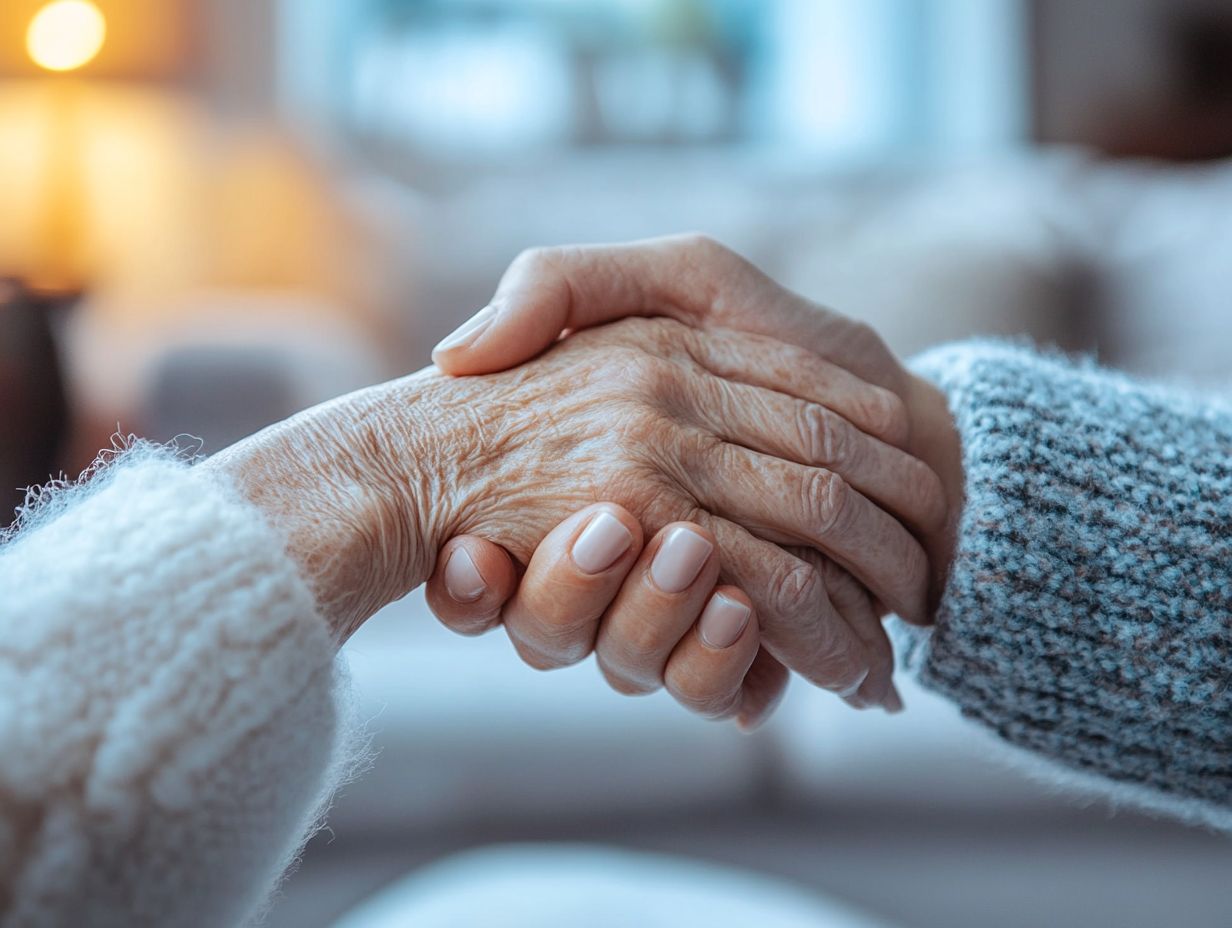
Caring for someone with cancer means witnessing many ups and downs—physically and emotionally. Your patience and understanding allow your loved one to feel safe expressing fears, frustrations, or sadness. Simple acts like active listening and validating their feelings can offer immense comfort. Managing your own emotions through mindfulness or stress-reduction techniques helps you maintain calm and provide steady support, even during difficult moments.
Make Self-Care and Rest a Priority
Regular self-care replenishes your energy and emotional strength. Plan time for activities you enjoy, maintain healthy eating habits, and ensure you get adequate sleep. Learning to recognize early signs of burnout — such as irritability, fatigue, or withdrawal — lets you address your needs before feeling overwhelmed. Setting reasonable boundaries about what you can manage and asking for respite care or help when needed are important steps to protect your health. Remember, caring for yourself improves your ability to care well for others.
Frequently Asked Questions
What are the most important things I can do as a cancer caregiver?
Focus on educating yourself about the patient’s cancer, maintaining open communication with their healthcare team, staying organized with treatments and appointments, prioritizing your own health, and seeking support from others. Being patient and compassionate while practicing self-care will help you sustain this vital role.
How can I communicate effectively with my loved one and their medical team?
Listen carefully to your loved one’s concerns and feelings, encourage open and honest conversations, and share relevant information with doctors and nurses. Asking clear questions about treatments and side effects will help everyone stay informed and involved.
Where can I find reliable information about cancer and support resources?
Trusted sources include the National Cancer Institute (https://www.cancer.gov), Mayo Clinic (https://www.mayoclinic.org), Cancer Wellness Atlanta (https://cancerwellnessatlanta.org/), CanHOPE (https://canhope.org.uk/), and the Caregiver Action Network (https://caregiveraction.org/). These organizations provide accurate information and access to programs to support both patients and caregivers.
How do I prevent caregiver burnout?
Prioritize your physical and emotional health by scheduling regular breaks, practicing stress-relieving activities, seeking peer support, setting boundaries, and asking for help when you need it. Recognize signs of exhaustion early and take steps to care for yourself.
What practical tasks can I help with as a caregiver?
You can assist with medication management, scheduling and attending medical appointments, meal preparation, transportation, and household chores. Helping with these tasks reduces the patient’s stress and improves their quality of life.
What Are the Important Questions to Ask the Medical Team?

Important questions to ask the medical team about a cancer patient’s care include:
- What are the specific treatment options available for the patient?
- What side effects should be expected during treatment?
- How do these treatments align with the patient’s health goals?
- What steps can be taken to manage side effects effectively?
- What should the patient expect physically and emotionally during treatment stages?
These questions help caregivers support and advocate for the patient’s needs.