Cancer patients often face not only physical challenges but also emotional and informational obstacles that can make their journey overwhelming. Targeted workshops designed specifically for cancer patients offer powerful tools to build emotional strength, improve nutrition and physical health, manage stress, and foster supportive communities. These educational sessions empower you by improving understanding of your condition, helping you navigate treatment, and enhancing your overall well-being through practical skills and shared experiences.
Understanding the Mind-Body Connection: How Your Thoughts Affect Your Health
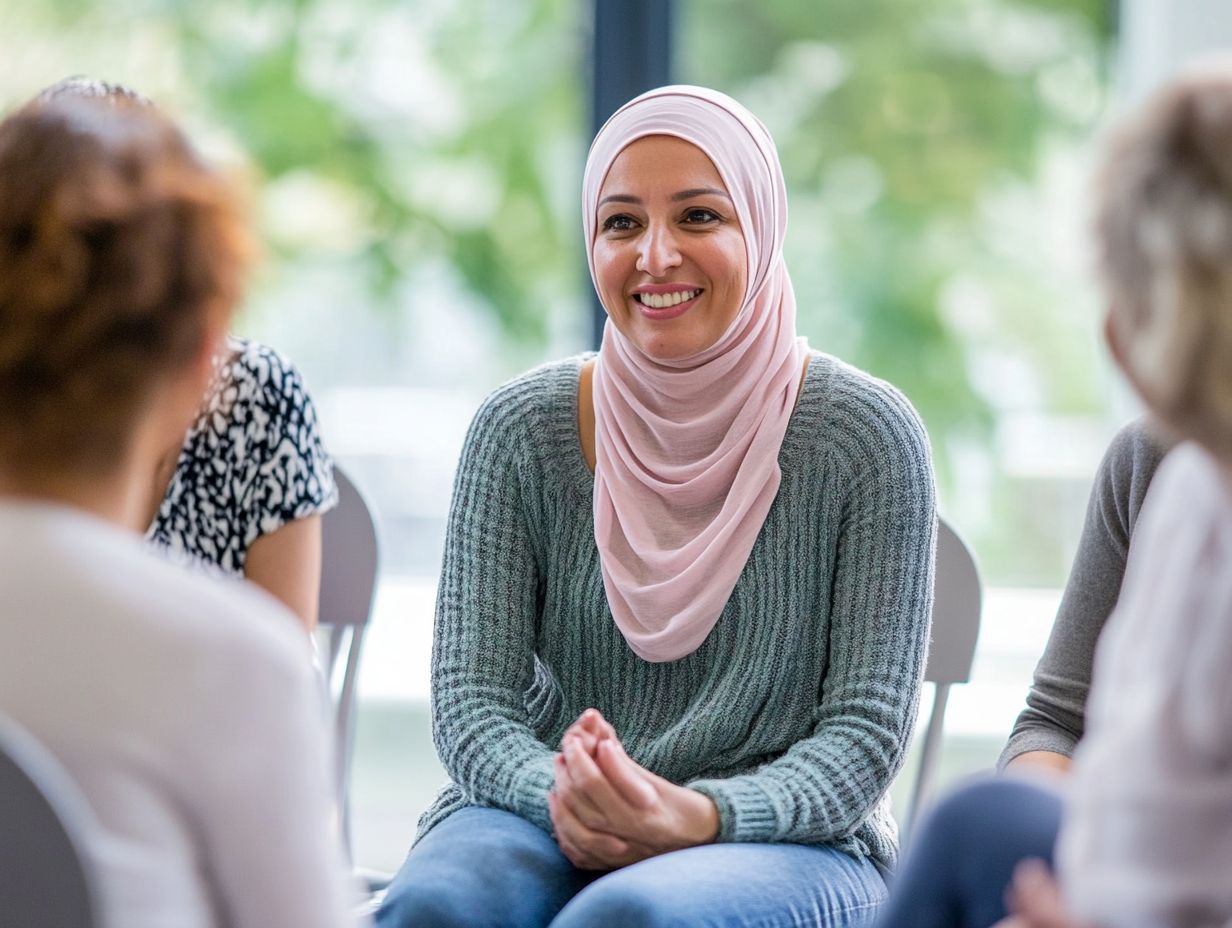
Your thoughts and emotions have a real impact on your health, especially when coping with cancer. Feelings like anxiety and fear can affect how you handle treatment and your overall mental health. Mind-body workshops teach you how to recognize and manage these emotions through techniques such as meditation and psychosocial support. This improves emotional resilience, making it easier to face treatment challenges with a balanced mindset. Programs like the Cancer Patient Empowerment Program (https://www.cancer.gov/about-cancer/coping) highlight how recognizing this connection can reduce psychological distress.
Nutrition and Cancer: Supporting Your Body Through Eating Well
Good nutrition plays a vital role in your cancer treatment and recovery. Eating a balanced diet rich in fruits, vegetables, whole grains, and lean proteins helps support your immune system, preserve strength, and reduce treatment side effects like fatigue or nausea. Nutrition workshops often provide practical advice on meal planning and special dietary needs tailored to cancer patients. By learning which foods nourish your body best during this time, you can actively support healing and improve your quality of life. The American Cancer Society offers useful guidance on nutrition for cancer patients (https://www.cancer.org/treatment/survivorship-during-and-after-treatment/staying-active/nutrition.html).
Managing Stress and Anxiety: Practical Tools You Can Use

Stress and anxiety are common when living with cancer, but you don’t have to face these feelings alone. Workshops teach you relaxation techniques such as deep breathing, mindfulness meditation, and progressive muscle relaxation to calm your mind and reduce distress. These coping strategies not only improve your emotional well-being but can enhance sleep and reduce physical symptoms caused by stress. Connecting with others in group sessions also provides emotional support, helping you feel less isolated during your cancer journey. Resources on stress management can be found through the National Cancer Institute (https://www.cancer.gov/about-cancer/coping/managing-stress).
Common stress management techniques include:
- Mindfulness meditation to focus on the present moment
- Progressive muscle relaxation to relieve tension
- Group therapy sessions to share experiences and build support
Exercise and Cancer: Moving Towards Better Physical and Emotional Health
Engaging in regular physical activity has multiple benefits during and after cancer treatment. Exercise can improve your strength, reduce fatigue, elevate mood, and help you maintain treatment schedules by increasing stamina. Whether it’s gentle yoga, walking, or strength training, moving your body supports both physical and emotional resilience. Clinical studies confirm that maintaining exercise improves outcomes and helps survivors return to daily activities more quickly. The Mayo Clinic offers practical tips on safe exercise for cancer patients (https://www.mayoclinic.org/healthy-lifestyle/fitness/in-depth/exercise/art-20047409).
Building Your Support Network: Finding Strength in Others
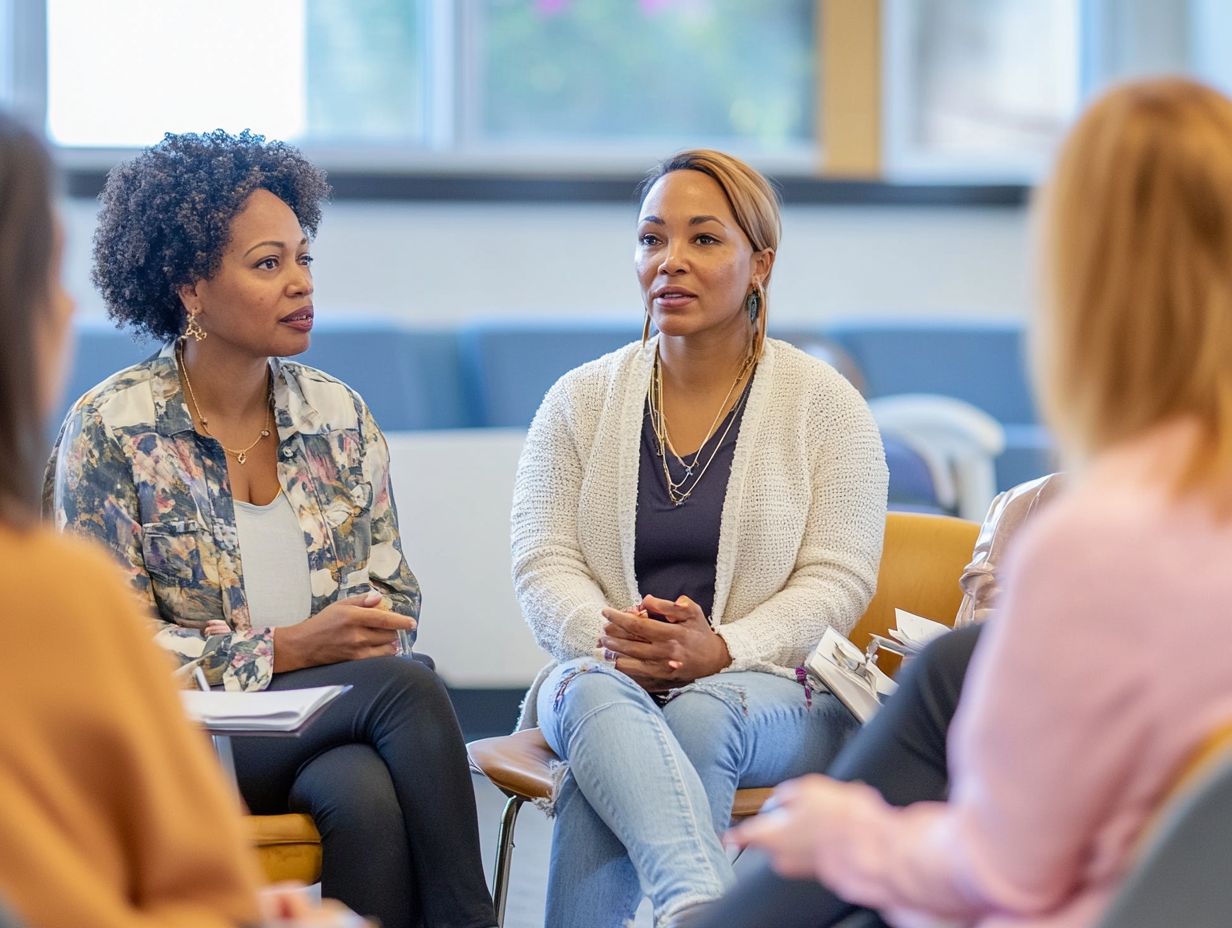
You don’t have to face cancer alone. Building a support network of family, friends, and fellow patients can provide comfort, encouragement, and practical advice. Workshops that focus on social support help you connect with others who share your experiences, easing feelings of isolation. These sessions may include group discussions, community activities, or therapies that promote emotional expression and resilience. Having a strong support network has been shown to improve mental health and even treatment adherence, giving you an important advantage in your cancer journey.
How Workshops Help You Take Control of Your Cancer Journey
By attending these workshops, you gain more than information—you develop skills and emotional tools that enhance your confidence and quality of life. Educational workshops increase your understanding of treatment options so you can participate in shared decision-making with your healthcare team. Emotional and physical health sessions provide practical strategies to reduce distress, improve energy, and foster healing. Overall, these workshops empower you to face cancer with resilience and hope.
Frequently Asked Questions
What types of workshops are available for cancer patients?

Common workshops include mind-body connection to address emotional health, nutrition for fueling your body, stress and anxiety management, exercise for physical strength, and building support networks. Each focuses on a different aspect of well-being tailored to your needs.
Can anyone affected by cancer attend these workshops?
Yes, they are open to cancer patients, survivors, and caregivers alike. The goal is to support everyone impacted by cancer with practical information and emotional resources.
How long do the workshops last, and are they free?
Workshops typically last 1 to 2 hours to respect your energy levels and are generally offered free of charge to ensure everyone has access to these vital resources.
Who leads these workshops?
Experienced professionals such as nutritionists, therapists, exercise specialists, and cancer survivors lead workshops. Their expertise and personal insights create a supportive and informative environment.
Can I participate in more than one workshop?
Absolutely. Each workshop covers unique topics and attending multiple sessions can provide a well-rounded approach to managing your cancer journey.
For more detailed guidance, visit the National Cancer Institute’s patient education resources at https://www.cancer.gov/about-cancer/coping, and Mayo Clinic’s comprehensive wellness information at https://www.mayoclinic.org/diseases-conditions/cancer/in-depth/cancer-treatment/art-20047254. Remember, taking part in these workshops is a step toward regaining control and improving your well-being during cancer treatment and beyond.