Enhancing your experience as a patient is a vital step toward achieving the best possible health outcomes and feeling more confident throughout your healthcare journey. By learning how to communicate openly with your healthcare team, asking questions, following your personalized treatment plan, and seeking support from loved ones, you empower yourself to navigate your care with greater ease and understanding. This guide will walk you through practical strategies that can improve your treatment experience, help you manage challenges, and encourage a partnership between you and your healthcare providers to promote your well-being.
Communicate Openly with Your Healthcare Provider
Building a trusting relationship with your healthcare provider starts with honest and open communication. Don’t hesitate to share your concerns, symptoms, or fears during appointments. When you talk openly about your needs and preferences, it helps your provider tailor treatments specifically for you. Remember, asking questions or expressing doubts is part of taking charge of your health.
To support this, many healthcare systems offer patient portals and telehealth tools that allow easy messaging and appointment scheduling, making it simpler to stay connected. For more on effective communication, see resources like the National Cancer Institute’s communication tips.

Do Your Research Using Reputable Sources
Understanding your condition and treatment options empowers you to make informed decisions. Before or between appointments, take time to explore trusted information from reputable organizations such as the Mayo Clinic, National Cancer Institute, or Centers for Disease Control and Prevention (CDC). Joining patient support forums or educational webinars can also provide emotional reassurance and practical advice from people who’ve had similar experiences. Come prepared with questions to clarify anything unclear—your healthcare team is there to guide you.
Follow Your Treatment Plan and Instructions Carefully
Your treatment plan is designed to give you the best chance at healing or managing your health. It’s important to take medications as prescribed, attend scheduled appointments, and follow lifestyle recommendations closely. If you encounter side effects or difficulties, communicate this promptly to your provider rather than stopping or changing your plan on your own. Staying consistent improves your chances of a successful recovery and helps avoid complications. Learn more about adherence and its benefits from the CDC adherence guidelines.
Take Care of Your Whole Health—Body, Mind, and Emotions
Your overall wellbeing plays a key role in how well you respond to treatments. Engaging in regular physical activity, eating nutritious meals, resting adequately, and managing stress can all support your body’s healing process. Emotional health is just as vital; consider mindfulness, counseling, or joining support groups to help reduce anxiety or feelings of isolation. Telehealth services can offer counseling and wellness check-ins from home, improving access to care when needed.
Lean on Friends, Family, and Support Networks
You don’t have to face your health journey alone. Family and friends provide not only emotional comfort but also practical help, like transportation to appointments or reminding you to take medications. Sharing your treatment experiences can ease feelings of loneliness and motivate you to stay on track. Healthcare providers can sometimes connect you with community programs or patient advocates to strengthen your support system.
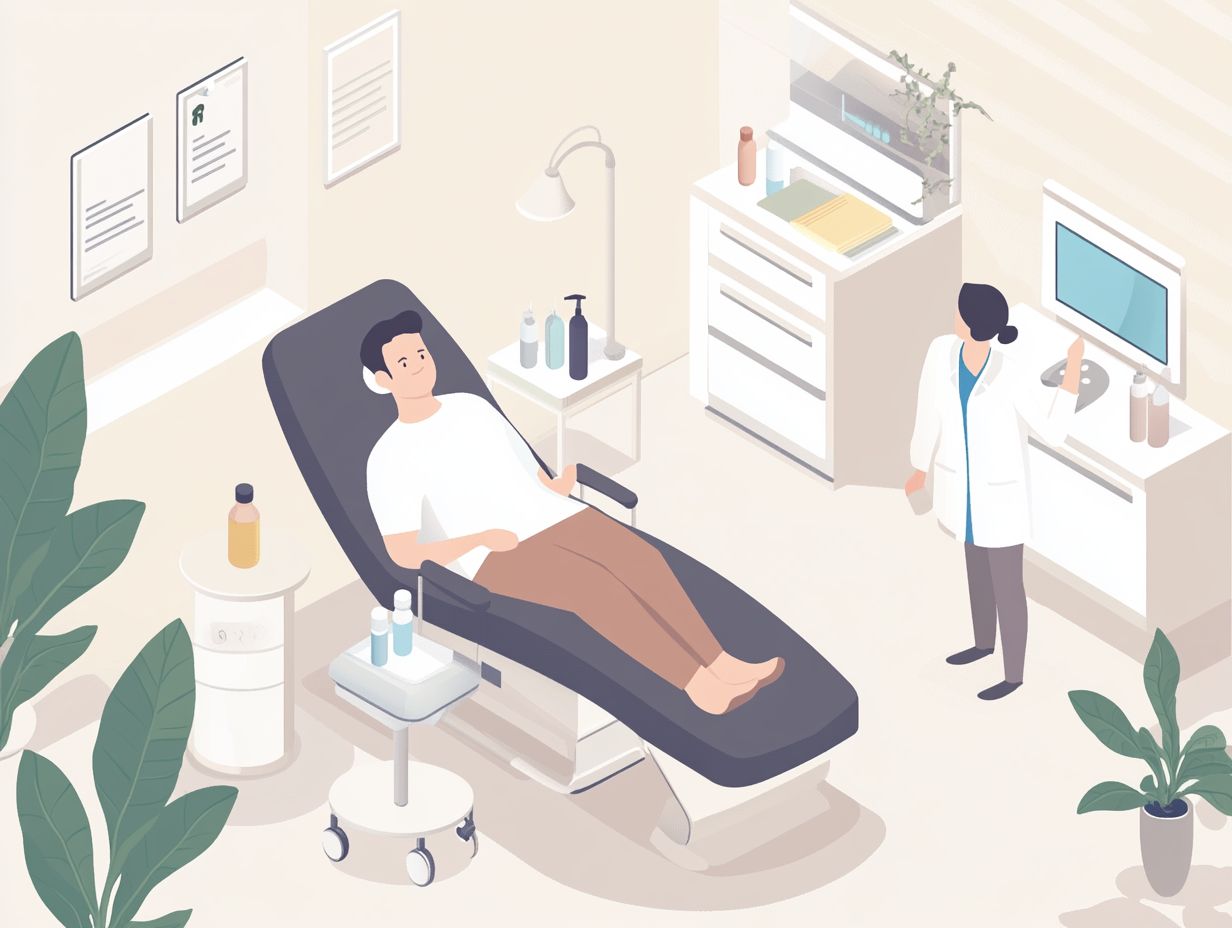
The Power of a Positive Attitude and Second Opinions
Maintaining hope and a positive outlook can reduce stress and improve your engagement in your care, translating into better health outcomes. Also, if you ever feel uncertain about your diagnosis or treatment, seeking a second medical opinion is a valuable step to ensure your plan is right for you. This can offer peace of mind and sometimes new treatment possibilities.

Managing Side Effects and Staying Informed
Treatments may cause side effects like fatigue, nausea, or appetite changes, but these can often be managed with strategies tailored to your needs. Don’t hesitate to discuss symptoms with your healthcare team—they can provide solutions to help you feel better and maintain your strength through treatment.
Staying involved by preparing questions for your appointments, accessing educational resources, and using digital tools such as patient portals keeps you informed and active in decision-making. This partnership is essential for effective, personalized care.
Frequently Asked Questions
- 1. What are simple ways I can improve my treatment experience?
- Start by educating yourself about your condition using trusted sources, communicate openly with your healthcare team, build a support network, consistently follow your treatment plan, and practice self-care like regular exercise and stress management.
- 2. Why is it important to stick to my treatment plan?
- Your plan is tailored to your health needs. Following it helps ensure your treatment works effectively and reduces risks of complications or prolonged recovery.
- 3. How can I manage side effects from treatment?
- Talk openly with your healthcare provider about any side effects; they can suggest medications, nutritional changes, or lifestyle adjustments to help. Support groups and counseling also offer coping strategies.
- 4. What if I don’t understand my treatment options?
- Ask your healthcare provider for clear explanations, use reputable online educational resources, or consider bringing a trusted person to your appointments to help you process information.
- 5. How can technology help me in my treatment journey?
- Digital tools like patient portals provide easy access to medical records and appointment reminders. Telehealth allows you to connect with providers remotely for timely advice and support.
Key Factors When Choosing a Healthcare Provider
Choosing the right healthcare provider involves considering their qualifications, communication style, and scheduling flexibility, all of which significantly affect your treatment experience.
Provider qualifications include their education and experience to ensure quality care. Communication style influences your comfort and trust during appointments. Scheduling flexibility shows respect for your time and can ease access to care.