Managing heart failure can feel overwhelming, especially when treatment doesn’t seem to bring relief. It’s important to listen to your body and recognize when your current plan may need a closer look. From ongoing symptoms to new side effects or difficulties sticking to your routine, these signs can signal that adjustments are necessary to protect your heart and improve your quality of life. This guide will help you understand the key indicators that your heart failure treatment might not be working and what steps you can take to regain control of your health.
Understanding When Your Heart Failure Treatment May Need Reevaluation
Heart failure requires a carefully tailored treatment plan that includes medications, lifestyle changes, and ongoing support from your healthcare team. However, sometimes despite your best efforts, treatment may not be as effective as it should be. Being aware of common warning signs can empower you to seek help early and avoid serious complications.
1. Symptoms Are Not Improving

If you find persistent shortness of breath, coughing, or swelling despite following your treatment plan, it may mean your current medications or lifestyle changes aren’t managing your condition effectively. These symptoms often result from fluid buildup or weakening heart function and should prompt a conversation with your doctor to adjust your care. Regular check-ups are key to monitoring these changes (American Heart Association).
2. Symptoms Are Getting Worse
Watch for signs like increased difficulty breathing, sudden weight gain (more than 3 pounds in a day or 5 pounds in a week), confusion, or feeling unusually tired. These may indicate fluid retention or decreased blood flow affecting your organs. Immediate medical attention is important when symptoms escalate to prevent hospitalization (Mayo Clinic – Heart Failure).
3. Side Effects From Treatment Affect Your Wellbeing
Medications used to treat heart failure, including diuretics and ACE inhibitors, can cause side effects such as dizziness, fatigue, or even rare medication interactions like serotonin syndrome if combined with certain antidepressants. If you experience new or worsening side effects, it’s crucial to discuss them with your healthcare provider rather than stopping medications on your own. Effective management can reduce these impacts and improve your comfort.
- Dizziness
- Fatigue
- Rare medication interactions (e.g., serotonin syndrome with some antidepressants)
4. You Struggle to Communicate With Your Healthcare Provider
Open, honest communication is vital in managing heart failure. If you feel your concerns, symptoms, or emotional challenges like anxiety and depression aren’t being addressed, your treatment may suffer. Preparing notes before visits and asking specific questions can help make your appointments more productive. Mental health support, including therapy, can also improve your overall treatment experience (National Cancer Institute – Living with Heart Failure).
5. Difficulty Following Your Treatment Plan

Complex medication schedules and lifestyle adjustments can be hard to maintain. Missing doses or neglecting diet and exercise recommendations can lead to symptom return or worsening. Tools like pill organizers, mobile reminders, and support from family or caregivers can make adherence easier. If you find it challenging, speak up so your provider can help tailor a plan that fits your daily life better.
Why It’s Important to Reassess Your Treatment Regularly
Heart failure is dynamic, often requiring treatment changes over time to keep symptoms under control and prevent complications like hospitalization or heart damage. Routine monitoring, including physical exams and tests, helps your healthcare team spot issues early. Don’t hesitate to bring up any new symptoms or concerns—early intervention can significantly improve outcomes.
Understanding Factors That Can Affect Treatment Effectiveness
Several aspects can interfere with heart failure management, including:
- Medication side effects or interactions
- Emotional health issues like depression affecting medication adherence
- Unhealthy lifestyle habits such as high sodium intake, smoking, or inactivity
Addressing these areas with support from your healthcare team and trusted resources (like the Cleveland Clinic Heart Failure Center) can make a big difference.
Tips for Better Communication With Your Healthcare Provider
Prepare for each visit by keeping a symptom diary and listing questions. Share openly about any emotional or cognitive changes, as these can influence treatment choices. If you feel overwhelmed, mental health professionals or support groups can offer valuable assistance to navigate your journey.
Exploring Treatment Options

Treatment plans for heart failure typically include medications to manage symptoms and improve heart function, lifestyle changes like a low-sodium diet and regular exercise, and mental health support. New therapies and personalized approaches are continually evolving to offer better quality of life.
Medications like diuretics and ACE inhibitors help reduce fluid retention and lower blood pressure. Mental health support, including antidepressants, addresses depression associated with heart failure. Consulting experts can provide additional support.
Treatment plans should always be personalized to the individual’s needs.
Is Your Treatment Right for You?
Determining if your treatment is effective involves monitoring symptom changes, side effects, and overall wellbeing. Regular checkups and honest communication with your provider will guide decisions about adjusting or changing your plan. Considering your preferences and lifestyle helps make treatment sustainable and effective.
Long-Term Risks of Ineffective Treatment
Continuing a treatment that doesn’t work can lead to worsening heart function, increased risk of complications like hospital admissions or heart attacks, and reduced quality of life. Monitoring and timely adjustments are essential to avoid these outcomes.
Frequently Asked Questions
What are the signs that my heart failure treatment may not be working?
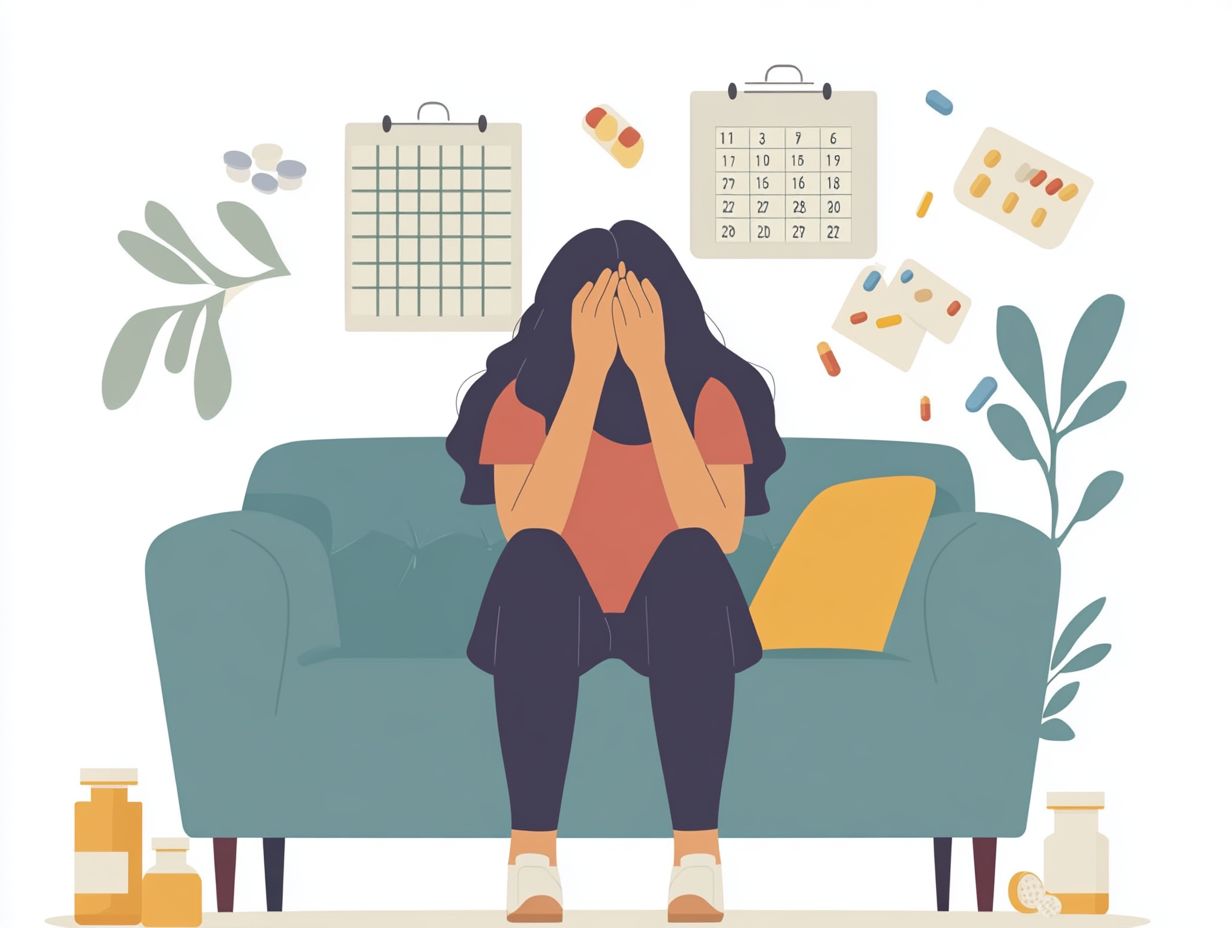
Signs include persistent or worsening symptoms like shortness of breath, sudden weight gain, side effects affecting daily life, lack of communication with your healthcare provider, and difficulty following the treatment plan.
What should I do if my symptoms aren’t improving or are getting worse?
Contact your healthcare provider promptly to discuss your symptoms. They may need to adjust your medications or explore other treatments.
Can side effects indicate my treatment isn’t effective?
Yes. Side effects can affect your ability to stick to treatment or signal interactions that reduce effectiveness. Always report new symptoms to your doctor.
Why is good communication important during treatment?
Clear communication helps your provider understand your symptoms, challenges, and emotional health, enabling them to create a treatment plan that truly fits your needs.
What if I find it hard to stick to my treatment plan?
Discuss this with your healthcare team. They can suggest strategies or adjust your plan to improve adherence and outcomes.