Feeling stuck, overwhelmed, or frustrated by ongoing problems in your community or workplace can be a signal that it’s time to speak up and advocate for change. Whether you’re experiencing burnout, noticing unfairness in systems, or have ideas that seem ignored, becoming an advocate empowers you to drive meaningful improvements. Advocacy isn’t just about challenging the status quo—it can also help you grow personally, connect with others, and build skills that amplify your impact. This guide explores how to recognize when to advocate, effective strategies to make your voice heard, common challenges you might face, and practical steps to start creating change in your world.
Understanding When to Advocate for Change
You might already be sensing signs that it’s time to take action. For example, if you feel constantly exhausted or emotionally drained, you could be experiencing burnout—a state caused by prolonged stress that affects both your body and mind. Symptoms include fatigue, irritability, difficulty sleeping, or feeling disconnected from your work or community. Ignoring these signs can harm your well-being, so advocating for changes in your environment or responsibilities is crucial.
Burnout symptoms often include chronic fatigue, irritability, and difficulty sleeping, among others.
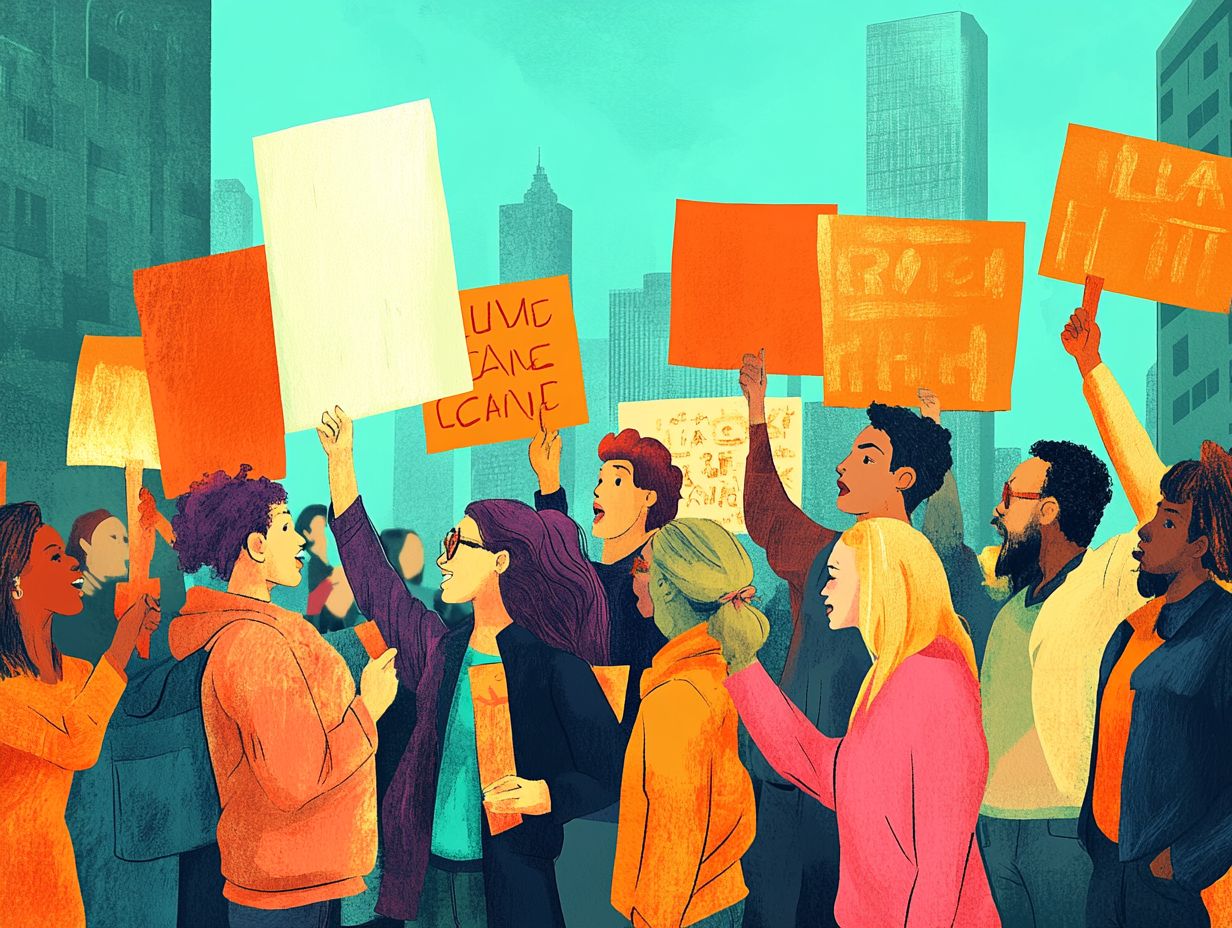
On the other hand, perhaps you’re feeling unfulfilled, like something important is missing in your life or work. This loss of passion can cause frustration or unhappiness. Engaging in open conversations with colleagues, practicing mindfulness, or seeking supportive mentors can help rekindle your motivation. If you see unfair practices or inefficiencies that prevent communities from thriving—such as misallocated resources or systemic injustice—you have a meaningful opportunity to advocate for fairness and equity.
What if you have great ideas but feel unheard? In that case, refining your communication and self-advocacy skills can make all the difference. Learning to articulate your points clearly and calmly, seeking constructive feedback, and building coalitions can turn your ideas into actionable change. When a cause deeply matters to you—whether inspired by personal experience or a desire to help others—it fuels your commitment to advocate through volunteering, awareness campaigns, or community organizing.
How to Advocate Effectively
Advocacy involves promoting awareness, influencing policies, and mobilizing community members toward shared goals. It ranges from grassroots efforts like local gatherings and social media campaigns to formal policymaking and legal initiatives. Success depends on clear messaging, strategic planning, and building alliances with diverse stakeholders—including community organizations, government officials, and fellow advocates.
Using platforms like social media can help spread your message widely and gather support quickly. Engaging in town hall meetings or joining local nonprofits allows you to connect directly with decision-makers and affected community members. Staying informed about the issues, listening to different perspectives, and adapting your approaches based on feedback will strengthen your advocacy efforts.

Overcoming Challenges in Advocacy
Advocating for change is often rewarding but not without obstacles. Resistance is common, especially when proposed changes challenge established power structures or norms. Misinformation can create confusion or opposition. Maintaining momentum over time requires persistence, resilience, and self-care to avoid burnout. Building supportive networks where you can share experiences and gain encouragement helps you stay motivated.
It’s important to balance advocacy passion with empathy toward those who may hold different views—effective communication skills can bridge these gaps. Recognizing and addressing internal doubts or fears through emotional support or mentorship also empowers you to continue advocating with confidence.
Personal Growth Through Advocacy
Advocacy isn’t just about external change; it fosters meaningful personal growth. Taking on an advocacy role challenges your thinking, enhances leadership and communication skills, and deepens your self-awareness. Connecting with like-minded individuals builds friendships and community, enriching both your advocacy work and life.
Real-world examples show the power of collective advocacy. Movements like the Sunrise Movement for climate action, Black Lives Matter’s fight against systemic racism, or student-led campaigns for gun control demonstrate how determined voices can shift public discourse and influence policies.

Getting Started With Advocacy in Your Community
Ready to take the first step? Begin by identifying issues that matter to you and researching them thoroughly. Connect with local organizations aligned with your values—places like Texas Children’s Hospital or the Arthritis Foundation offer ways to get involved and learn. Attend community meetings or volunteer events to meet others working for change.
Leverage social media and workshops to amplify your message and develop skills. Collaborate with others to create a shared vision and action plan. Remember, advocacy is a journey—set achievable goals, practice self-care, and celebrate your progress along the way.
Tips for Sustaining Your Advocacy
- Communicate your message clearly and compellingly.
- Engage stakeholders thoughtfully, listening and responding to feedback.
- Use social media strategically to reach wider audiences.
- Adapt your approaches as situations evolve.
- Prioritize your well-being through mindfulness, exercise, or rest.
- Find communities where you can share challenges and victories.
Frequently Asked Questions

What are common signs it’s time to advocate for change?
If you feel stuck, emotionally drained, frustrated by recurring problems, or have a persistent sense that something is missing in your life or community, it may be a signal to take action for change.
What does it mean to advocate for change?
Advocating for change means actively working to address problems or injustices by raising awareness, influencing decision-makers, and mobilizing others to support positive transformations.
Why is advocacy important?
Advocacy empowers you to improve your own circumstances and contributes to broader social justice. It helps communities address systemic issues and creates meaningful connections among people.
How do I choose what to advocate for?
Focus on issues that align with your values and where you see opportunity for improvement. Consider how changes can enhance fairness, equity, or well-being in your life and community.
How can I overcome challenges when advocating?
Build supportive relationships, practice clear and respectful communication, stay informed, and take care of your emotional health to face resistance and setbacks with resilience.
Resources for Further Learning