Wondering how you can make a real difference in your community or influence policies that matter to you? Crafting a thoughtful advocacy action plan is your roadmap to driving meaningful change. By clearly identifying the issue, setting smart goals, gathering solid research, and building strategic partnerships, you can turn your passion into effective action. This guide breaks down the essential steps to create a focused, impactful advocacy campaign that empowers you to confidently engage policymakers and inspire community support.
Understanding the Issue: The First Step to Effective Advocacy
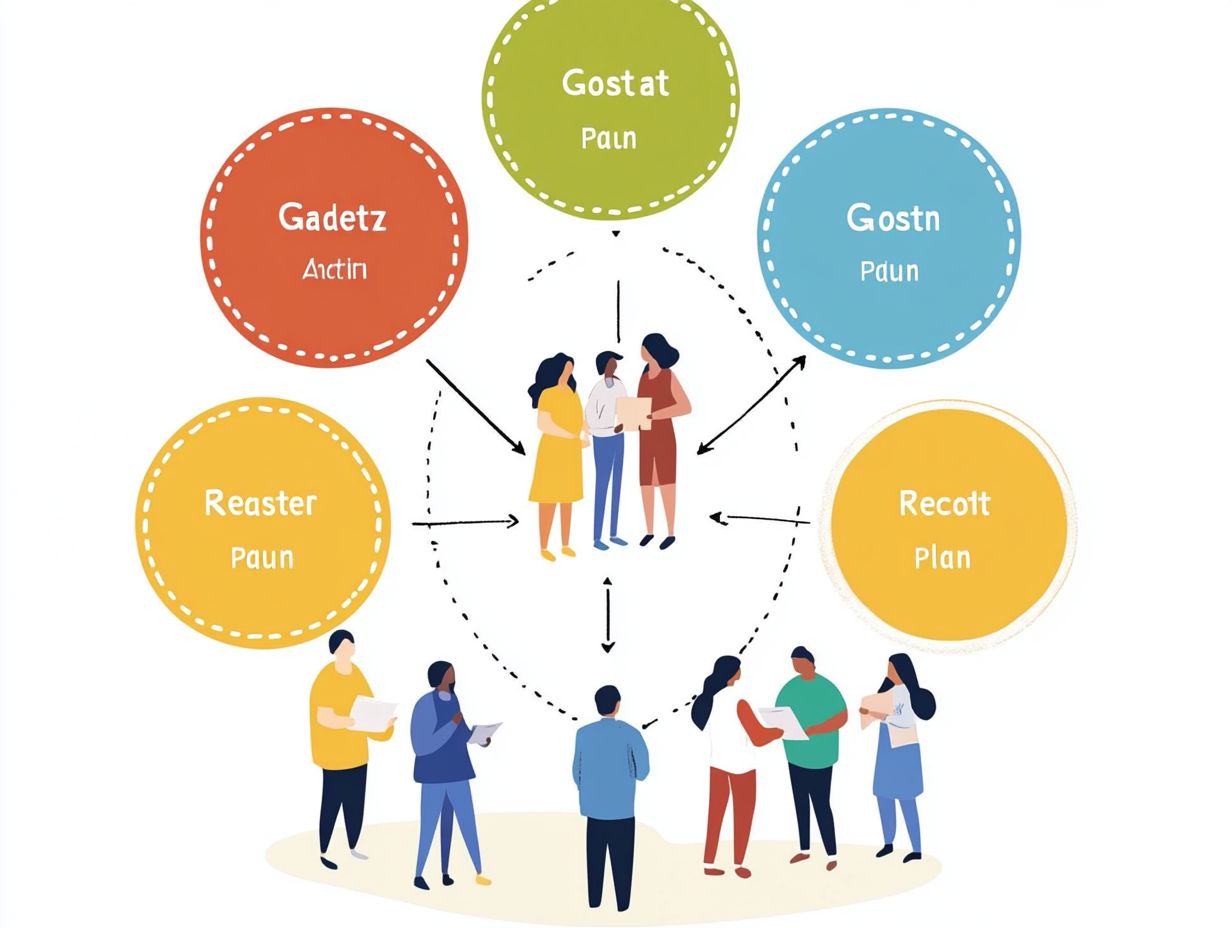
Before taking action, it’s crucial to deeply understand the problem you want to address. You can start by talking with community members, healthcare providers, and others affected by the issue. Their insights help you clarify the challenges and priorities. Reviewing local policies and identifying key stakeholders creates a strong foundation for your campaign. For example, if you’re focused on improving cancer screening access in your area, hearing directly from patients and doctors can reveal barriers you might not have known about.
Setting Clear, Measurable Goals to Guide Your Efforts
Setting specific goals gives your advocacy plan direction and purpose. Goals should be measurable—such as increasing local screening rates by 20% within a year—so you can track progress and stay motivated. When you define clear objectives, you’ll also find it easier to allocate resources like funding, volunteers, or technology effectively. Clear messaging about these goals helps you communicate your campaign’s importance to your target audiences, whether that’s local government officials or the general public.
Using Research to Inform Your Strategy
Good advocacy is built on solid information. Conducting research helps you understand community needs and craft approaches that resonate. This might include stakeholder analysis to identify who holds influence, interviews to gather personal stories, and social media monitoring to gauge public opinion. Each method paints a fuller picture that strengthens your campaign. Organizations like the National Cancer Institute provide resources that can support your research (cancer.gov).
Crafting a Strategic Plan That Engages and Inspires
Your strategic plan spells out how you’ll reach your goals. It includes choosing the right communication channels—such as community meetings, online platforms, or newsletters—and building partnerships with local nonprofits or influencers who share your vision. The plan also focuses on creating consistent messaging that connects emotionally and motivates action. For example, teaming up with a local cancer support group can amplify your message and credibility.
Putting Your Plan into Action and Learning Along the Way
Implementation means launching your activities—maybe holding educational workshops, organizing petitions, or engaging with school boards—and actively involving community members. But equally important is evaluating how well your efforts are working. Gathering feedback through surveys or discussions lets you adjust your tactics and stay aligned with community needs. This continuous learning helps ensure your campaign stays effective and relevant over time.
Why an Advocacy Action Plan Matters to You
Having a clear plan helps you focus your energy, avoid burnout, and engage others confidently. It transforms your passion into a strategic force that can influence policy and create lasting community benefits. Whether you want to drive changes in healthcare access, education, or social justice, an advocacy plan is essential for turning ideas into impact.
Types of Advocacy Strategies to Consider
- Grassroots Campaigns: Mobilizing local communities to raise awareness and demand change.
- Coalition Building: Joining forces with organizations to strengthen your voice.
- Direct Lobbying: Meeting policymakers to directly influence legislation.
- Public Education: Informing the public to build support.
- Legal Advocacy: Using the courts to protect rights and advance your cause.
Each strategy has unique strengths and can be combined depending on your resources and objectives. More on various advocacy approaches is available through resources like the Centers for Disease Control and Prevention (cdc.gov).
How to Build a Strong Coalition That Multiplies Your Impact
Look for partners who share your values and goals. Conduct stakeholder analysis to understand potential allies’ interests and strengths. Clear, shared objectives unify the group and make your campaign more powerful. Examples of successful coalitions include the World Hepatitis Alliance and the Union for International Cancer Control, which collaborate globally to drive change. Resources like the NOhep Advocacy Toolkit can guide coalition-building efforts (nohepadvocacy.org).
Common Challenges and How You Can Overcome Them
Advocacy work isn’t without hurdles. Limited resources, community apathy, or resistance from decision-makers can all slow progress. Try to increase engagement through social media outreach, build relationships with local leaders, and strengthen grassroots efforts. Events like the Social Justice Summit provide valuable networking and learning opportunities to boost your campaign.
Measuring Your Success: Knowing You’re Making a Difference
Tracking progress helps you celebrate wins and identify areas to improve. Use numbers like the count of petitions signed or events held, alongside personal stories and testimonials to capture your campaign’s impact. Engaging stakeholders for honest feedback sharpens your strategy for future efforts. You can find tools and examples from advocacy groups and social justice organizations to help develop evaluation methods.
Frequently Asked Questions
What are the main components of an effective Advocacy Action Plan?
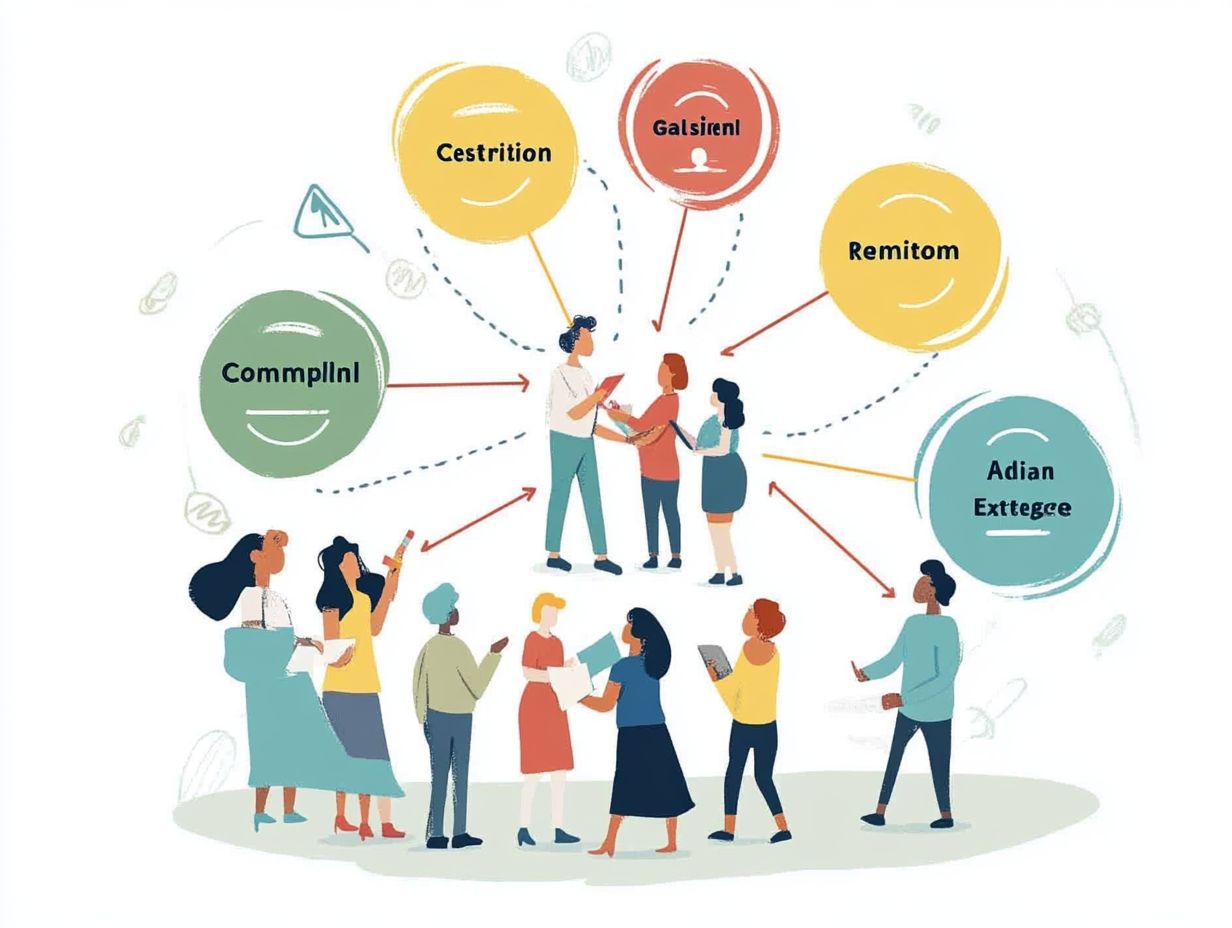
An effective plan includes: clearly identifying the issue, setting measurable goals, developing a strategic approach, implementing specific tactics, and evaluating results to refine your efforts.
Why is it important to set clear goals in advocacy?
Clear goals keep your campaign focused and guide how you use your resources. They also make it easier to track progress and demonstrate success to supporters and decision-makers.
How do I find the right audience for my advocacy campaign?
Research community members, leaders, and organizations affected by or involved with the issue. Prioritize those who have influence or stand to benefit most, so you can tailor your messaging effectively.
What does creating a strategy involve?
It involves deciding on your overall approach to reach your goals, including choosing communication channels, partnerships, and key messages that will motivate action.
What are some common advocacy tactics I can use?
Tactics include lobbying, educational events, petitions, social media campaigns, and coalition building—all tailored to fit your campaign’s goals and audience.
Additional Insights

A successful advocacy campaign includes clear objectives, strategic messaging, community engagement, and continuous feedback adaptation.
Clear objectives provide direction and help measure progress.
Strategic messaging informs, inspires, and mobilizes community action.
Community engagement ensures active participation and stronger support.
Continuous feedback adaptation keeps the campaign relevant and responsive.