Facing a cancer diagnosis can be overwhelming, but asking the right questions during your appointment with your oncologist can give you clarity, control, and confidence as you navigate your treatment journey. Understanding not just the type and stage of your cancer, but also your treatment options, potential side effects, and how cancer might impact your daily life will empower you to make informed decisions tailored to your unique situation. This guide walks you through the essential questions you should discuss with your oncologist and offers practical advice to help you prepare and advocate for the care you deserve.
Understanding Your Cancer: Types and Stages
Knowing exactly what type of cancer you have is the first step in shaping your treatment plan. Cancer types are identified through diagnostic tests such as imaging scans (MRI, CT) and biopsies, which give your doctor detailed information to select the most effective therapies. For example, breast cancer, lung cancer, or colon cancer each have distinct characteristics and treatment approaches. Learn more about cancer diagnosis at the National Cancer Institute.
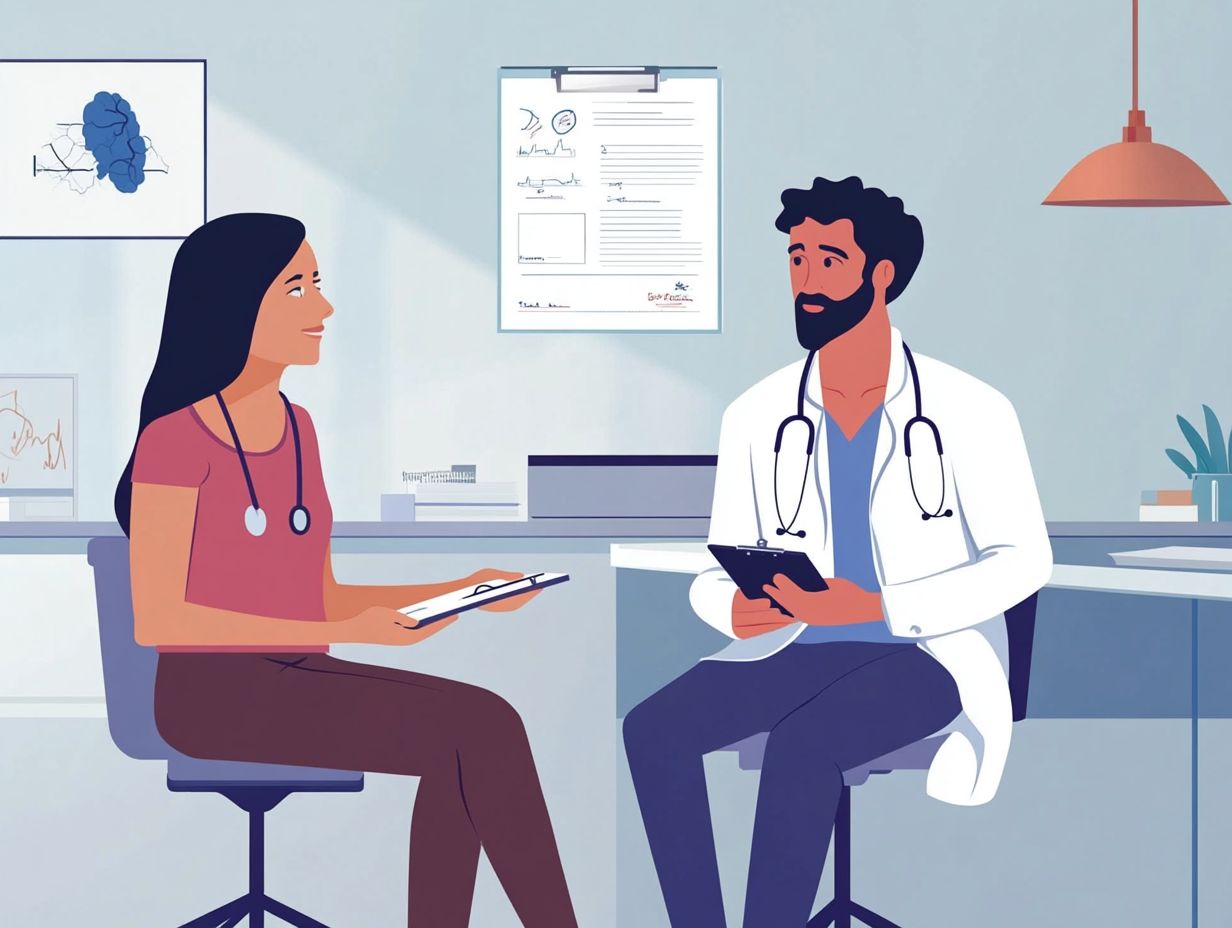
Staging your cancer means determining its size, whether it has spread to nearby lymph nodes, or distant parts of your body. This is often categorized using the TNM system: T for tumor size, N for lymph node involvement, and M for metastasis (spread). The stage influences your treatment options and helps estimate prognosis. Don’t hesitate to ask your oncologist to explain your cancer stage in detail and what it means for you. For an accessible overview, visit the American Cancer Society’s staging guide.
Exploring Your Treatment Options
Treatment varies by cancer type and stage and may involve one or several approaches:
- Chemotherapy: Uses drugs to kill fast-growing cancer cells throughout your body.
- Immunotherapy: Boosts your immune system’s ability to recognize and fight cancer.
- Radiation therapy: Targets and shrinks tumors using high-energy rays.
Your oncologist will recommend a personalized plan that may combine these therapies. Be sure to ask about the goals of each treatment, how they work, and what to expect during the process. You might also want to discuss the possibility of surgery or newer treatments being studied in clinical trials. For trustworthy clinical trial information, check clinicaltrials.gov.
Managing Treatment Side Effects
Cancer treatments can cause side effects such as nausea, fatigue, hair loss, or appetite changes, which can affect your daily life. Ask your doctor about strategies to manage these symptoms, from medications to dietary adjustments or exercise plans. Emotional support is equally important — connecting with support groups or counseling can help you cope with anxiety or depression. The Mayo Clinic offers helpful resources on common side effects and management tips to ask about.
How Will Cancer Affect Your Daily Life?
Cancer and its treatment can bring physical challenges like fatigue or pain, and emotional impacts including stress and isolation. You might find it helpful to ask your care team about how treatment may affect your daily routines and what resources are available to support you. Planning ahead for adjustments, involving loved ones, and seeking community resources can make a significant difference. Consider exploring cancer support services offered by institutions such as UPMC Hillman Cancer Center to find tailored assistance.
Preparing for Treatment and Follow-Up Care
Feeling prepared can ease uncertainty. Discuss with your oncologist how to get ready for your treatment, including scheduling, transportation, and financial matters. Building a support network from family, friends, or patient groups will also help you through the ups and downs. After treatment, follow-up appointments—usually every three to six months to monitor your health—are vital. These visits may include physical exams, blood tests, or imaging. Knowing what to expect can help you stay proactive in your care.
Frequently Asked Questions
What are the most important questions I should ask my oncologist?
Focus on the type and stage of your cancer, your treatment options, potential side effects, prognosis, and how cancer might affect your day-to-day life.
Why is cancer staging important?
Staging helps predict how advanced the cancer is, guides your treatment decisions, and provides insights into the expected outcomes.
What should I know about side effects?
Side effects vary by treatment and person. Understanding them helps you prepare and learn ways to manage symptoms effectively to maintain quality of life.
How can clinical trials help me?
Clinical trials offer access to new treatments that aren’t widely available. Ask your oncologist if there are trials suitable for your cancer type and stage.
Who can support me during treatment?
Support can come from healthcare providers, counselors, patient support groups, family, and friends. Many cancer centers provide comprehensive support services to assist you emotionally and practically.
Lifestyle Changes to Improve Your Outcome
Improving your outcome involves lifestyle changes like adopting a balanced diet rich in fruits, vegetables, and whole grains, engaging in regular physical activity, and prioritizing mental well-being through mindfulness and therapy. Additionally, staying informed on cancer research and advancements can empower you during your treatment journey.
Building a support system with family, friends, and support groups is also crucial for emotional resilience during treatment.