Learning to advocate for yourself effectively can truly transform your life, especially if you have a disability or face systemic barriers. While self-advocacy empowers you to communicate your needs, set boundaries, and access vital resources, it also comes with challenges like managing fear, handling resistance, and navigating complex systems. Understanding these hurdles and preparing for them equips you to confidently assert your rights, find support, and achieve personal growth. This guide walks you through the most common challenges of self-advocacy, practical strategies to overcome them, and inspiring success stories to motivate your journey.
What is Self-Advocacy and Why Does It Matter?
Self-advocacy means standing up for your needs, rights, and identity—speaking clearly about what you require to live your best life. It is especially important for individuals with disabilities but benefits everyone by fostering autonomy, psychological safety, and better access to healthcare, education, and employment accommodations. When you advocate for yourself effectively, you take control of your circumstances rather than being passive, helping improve your mental wellbeing and life satisfaction.
Five Common Challenges You May Face and How to Overcome Them
1. Identifying Your Needs and Goals

The first step in self-advocacy is understanding what you want and need from your environment. This requires self-awareness—recognizing your strengths, challenges, and aspirations. Try reflective journaling or setting SMART goals (Specific, Measurable, Achievable, Relevant, Time-bound) to clarify your objectives. Connecting with mentors or support groups can also help you explore your identity and build confidence. For example, the Autistic Self Advocacy Network offers resources for people on the autism spectrum to articulate their needs.
2. Overcoming Fear and Self-Doubt
Feeling nervous or unsure when speaking up is completely normal. To overcome this, build resilience by practicing positive affirmations like “My voice matters” and rehearsing conversations through role-play with trusted friends or peers. Seeking constructive feedback can help you refine how you express yourself and strengthen your assertiveness. Remember, everyone starts somewhere, and each time you advocate, you grow stronger.
3. Dealing with Resistance and Pushback
Not everyone will immediately understand or accept your needs. Resistance can come from cultural stigma, misunderstanding, or systemic bias. To handle this, sharpen your negotiation skills and use “I” statements (e.g., “I feel… when…”) to communicate clearly without sounding accusatory. Emotional intelligence—being aware of your feelings and those of others—can facilitate calm, constructive dialogue aimed at finding common ground.
4. Navigating Systems and Finding Resources
Systems like healthcare, education, and employment can feel maze-like, especially with barriers for people with disabilities. Learning about your legal rights—such as protections under the Americans with Disabilities Act (ADA)—can empower you. Seeking guidance from community support groups or advocacy organizations can help you access accommodations and support services. For detailed information on your rights, you can visit the U.S. Department of Labor’s ADA page.
5. Maintaining Self-Care and Boundaries

Advocating for yourself can be emotionally draining, so it’s crucial to prioritize self-care. Engage in activities that help you recharge mentally and physically, such as mindfulness, exercise, or hobbies you enjoy. Establish clear boundaries about what you can and cannot accept in interactions to protect your emotional wellbeing. Healthy boundaries enable you to advocate without burnout and maintain supportive relationships.
Preparing for Challenges Practical Tips
Anticipate hurdles by identifying potential barriers early and assessing your strengths and areas for growth. Setting clear, realistic goals prepares you for progress. Engage in role-playing exercises to rehearse difficult conversations. Cultivating mindfulness and positive self-talk builds the resilience needed to face setbacks. Remember, building these skills is a process—patience with yourself is key.
Benefits of Successful Self-Advocacy

When you advocate effectively, you not only gain access to necessary resources but also boost your confidence and independence. Students learn to request accommodations that help them succeed academically, while employees can negotiate workplace supports that enable their best performance. Importantly, self-advocacy strengthens your sense of identity and psychological safety, fostering better mental health. Over time, your efforts can influence broader changes, making systems more inclusive for everyone.
Inspiring Stories of Self-Advocacy in Action
Consider the young woman with a learning disability who educated her school and peers, leading to policy changes benefiting many students. Or, the individual with a physical disability who successfully advocated for workplace accessibility improvements, enhancing conditions for all employees. These examples highlight how your voice, supported by community and planning, can create meaningful change.
Practical Strategies for Healthy and Effective Self-Advocacy
- Communicate clearly and calmly using “I” statements to express your feelings and needs.
- Be assertive but respectful; listen actively to feedback.
- Use problem-solving skills to brainstorm and propose solutions.
- Seek allies and mentors who can support and advise you.
- Practice self-care and set boundaries to sustain your advocacy energy.
Useful Resources for Further Support
- National Disability Rights Network offers legal advocacy information.
- Autistic Self Advocacy Network provides resources and community.
- Mayo Clinic’s guide on Disability and Accommodation helps understand healthcare rights.
Frequently Asked Questions
What are the main challenges in self-advocacy?
You may face difficulty identifying your needs, fear and self-doubt, resistance from others, challenges navigating systems, and maintaining self-care and boundaries.
How can I build confidence to speak up for myself?
Start by identifying your strengths, practice positive affirmations, role-play conversations, and seek feedback from trusted people to increase your confidence over time.
Why do people sometimes resist self-advocacy efforts?
Resistance may stem from misunderstanding, cultural stigma, or systemic biases. Using clear communication and emotional intelligence can help ease these tensions.
Where can I find resources to support my self-advocacy?
Look for community support groups, legal aid organizations, and advocacy networks like the National Disability Rights Network or the Autistic Self Advocacy Network for guidance and assistance.
How do I maintain my wellbeing while advocating for myself?
Prioritize self-care by engaging in activities that refresh you, set clear personal boundaries, and reach out for support when needed to avoid burnout.
What are the 5 challenges to expect in self-advocacy?
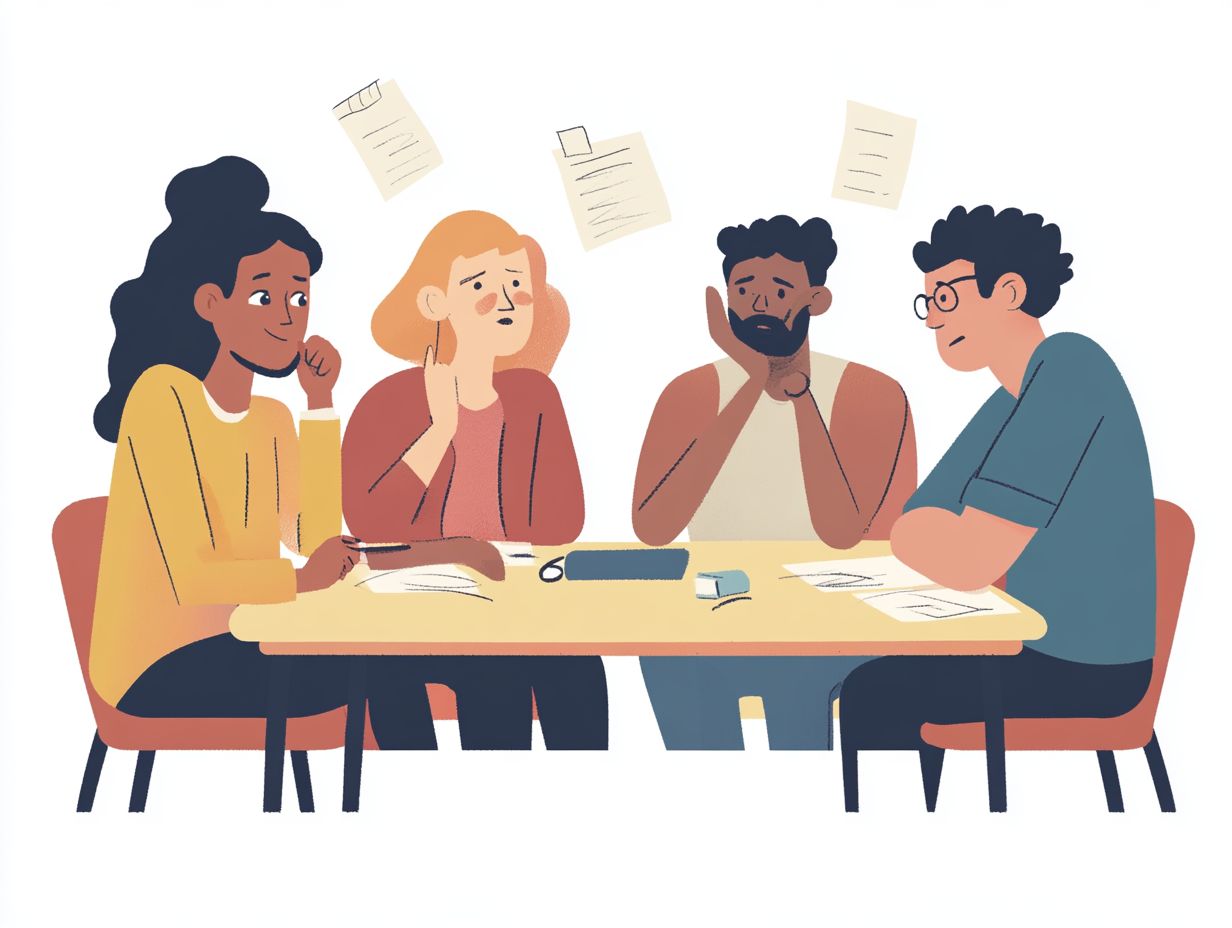
The 5 challenges to expect in self-advocacy are lack of knowledge and understanding of rights, facing discrimination and stigma, difficulty in finding resources and support, fear of speaking up, and navigating complex systems.