You might wonder how much control you have over your cancer risk and what simple steps can make a difference. The truth is, by making informed, healthy choices—like eating balanced meals, staying active, and avoiding harmful habits—you can significantly reduce your likelihood of developing cancer. This guide shares practical, research-backed strategies tailored for men to help you take charge of your health and lower cancer risk at any age.
1. Embrace a Healthy, Balanced Diet

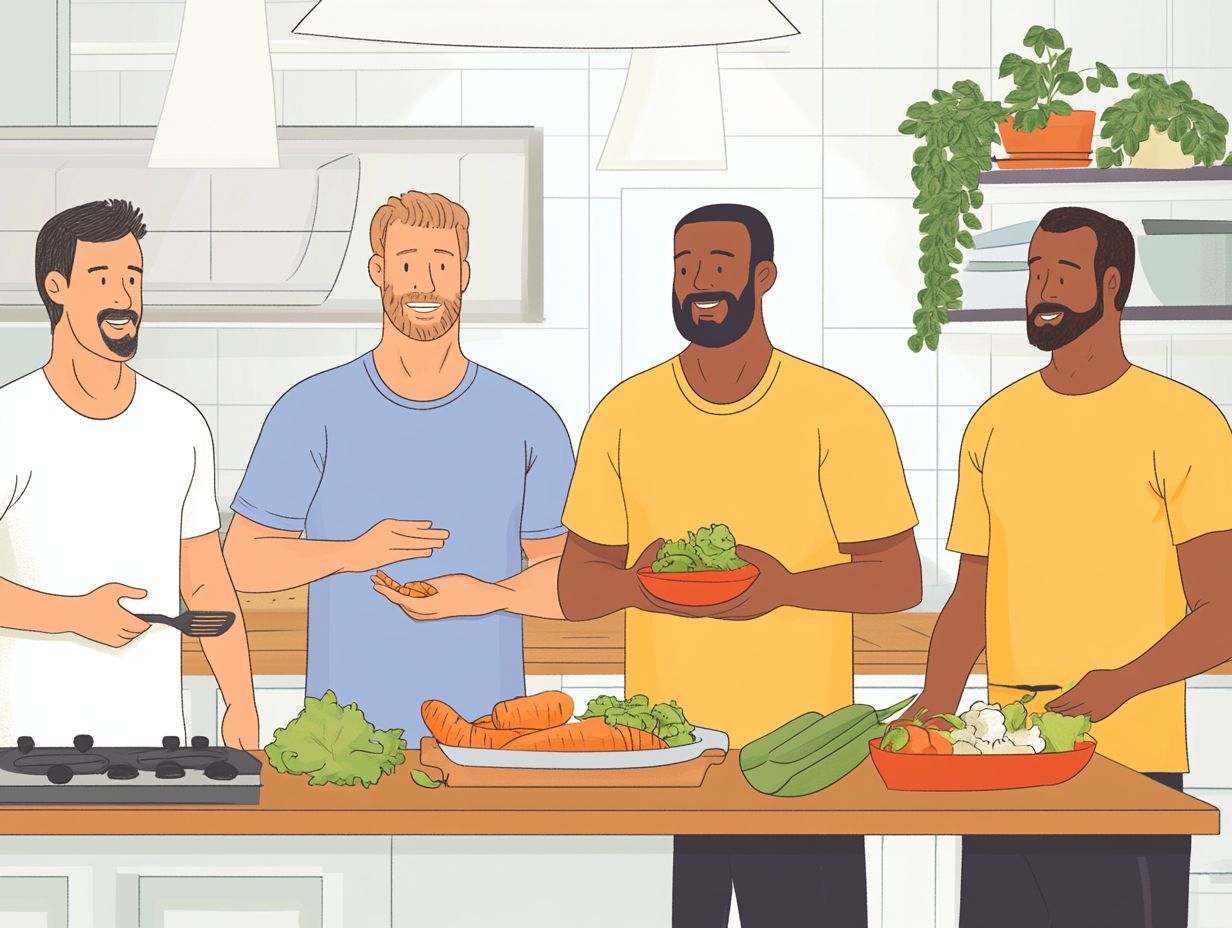
What you eat has a powerful impact on your cancer risk. A diet rich in fruits, vegetables, whole grains, and healthy fats—especially those found in Mediterranean-style eating patterns—can protect your cells and help you maintain a healthy weight. For example, incorporating cruciferous vegetables such as broccoli and kale adds sulforaphane, a compound noted to inhibit cancer cell growth. Berries like blueberries and strawberries provide antioxidants like vitamin C that combat harmful free radicals. Including legumes such as lentils and chickpeas boosts your fiber intake, supporting digestive health.
Keeping your weight in a healthy range matters, too, as obesity is linked to several cancers. Try to make whole, plant-based foods the centerpiece of your meals while limiting processed foods and red meats. The American Cancer Society provides excellent guides on building cancer-preventive eating habits.
2. Keep Moving with Regular Exercise
Physical activity doesn’t just tone your body—it actively lowers cancer risk. Aim for at least 150 minutes of moderate aerobic exercise per week, such as brisk walking, swimming, or cycling. These activities help manage your weight and improve immune function. Strength training twice a week builds muscle mass, which benefits metabolism and overall health.
Even low-impact exercises like yoga can reduce stress and improve flexibility, supporting your body’s resilience. By making exercise a regular habit, you’re taking a vital step to protect yourself. For helpful workout ideas and motivation, check out Mayo Clinic’s exercise guidelines.
3. Limit Alcohol to Reduce Risk
Alcohol is more than just empty calories—it’s a clear cancer risk factor. When your body breaks down alcohol, it produces acetaldehyde, a chemical that can damage DNA and interfere with your cells’ ability to repair themselves. Drinking even moderate amounts raises estrogen levels, which can increase risks of certain cancers.
If you drink, aim to keep it to no more than two drinks per day, since cancer risk increases with each additional drink. Reducing alcohol intake lowers your chances of cancers such as liver and breast cancer. The CDC offers guidance on safe alcohol use and its relation to cancer.
4. Avoid Tobacco in All Forms
Tobacco remains the single biggest preventable cause of cancer worldwide. Smoking cigarettes, cigars, or using smokeless tobacco products greatly increases your risk of lung, mouth, throat, pancreas, and bladder cancers. Quitting tobacco—even after years of use—can dramatically reduce your risk over time.
If you use tobacco, professional support through quitlines, counseling, and nicotine replacement therapies can make a big difference. Resources like the American Cancer Society’s quit programs can provide assistance tailored to your needs.
5. Get Regular Screenings and Check-Ups

Early detection saves lives. Following recommended screening schedules for cancers like prostate, colorectal, and lung cancer can catch disease early when treatment is most effective. Men typically start screenings around age 40, but those with family histories might need earlier monitoring.
In addition to professional exams, perform regular self-checks for unusual lumps, skin changes, or other warning signs. Discuss your personal risk factors with your healthcare provider so they can tailor screening plans to you. For detailed guidance, visit the National Cancer Institute’s screening overview.
Frequently Asked Questions
What are the most important lifestyle changes I can make to lower my cancer risk?
Focus on eating a balanced plant-rich diet, staying physically active, avoiding tobacco, limiting alcohol, and keeping up with regular cancer screenings. These actions together create a strong defense against many common cancers.
How soon can I see benefits after quitting tobacco or reducing alcohol?
Positive changes begin almost immediately. For example, lung function starts to improve within weeks of quitting smoking, and cancer risk steadily declines the longer you stay tobacco-free. Reducing alcohol intake also lowers your risk over time.
Are there specific exercises that work best for cancer prevention?
Both aerobic activities (like walking, swimming, cycling) and strength training are beneficial. Aim for a mix that you enjoy and can maintain consistently. Flexibility and stress-reducing activities like yoga add further health benefits.
When should I get screened for prostate or colorectal cancer?
Men aged 40 and older should discuss screening with their healthcare provider, especially if there’s a family history. Routine colorectal screening typically starts at age 45 to 50, but personalized recommendations may vary.
How can I protect my skin from cancer?
Use sunscreen with at least SPF 30, wear protective clothing, seek shade during peak sun hours, and avoid indoor tanning. Regularly check your skin for new or changing moles or spots, and see a dermatologist if you have concerns.
Additional Information
Taking proactive steps today can help you reduce your cancer risk and improve your overall well-being. For reliable, detailed information, consider visiting these trusted sources: CDC Cancer Prevention, Mayo Clinic Cancer Center, and the National Cancer Institute. Remember, your healthcare provider is your partner in creating a personalized plan that fits your health needs and lifestyle.