Radiation therapy harnesses powerful rays of energy to target and destroy cancer cells with precision, offering hope for many facing cancer. Whether used alone or alongside treatments like chemotherapy, radiation therapy aims to control or eliminate tumors while sparing healthy tissues. This guide breaks down the types of radiation therapy, what you can expect during treatment, how side effects vary, and important considerations like fertility and emotional support. Understanding these details can empower you to participate actively in your care and improve your well-being throughout your cancer journey.
What Is Radiation Therapy and How Does It Work?
Radiation therapy involves using high-energy rays—such as X-rays or proton beams—to damage the DNA inside cancer cells. This prevents cancer cells from growing and dividing, encouraging their destruction while minimizing harm to nearby healthy tissue. The precision of radiation treatment is made possible by advanced imaging technologies like CT scans and MRIs, which help specialists map out the exact location and size of tumors.
Types of Radiation Therapy: External Beam and Brachytherapy
There are two main approaches to radiation therapy:
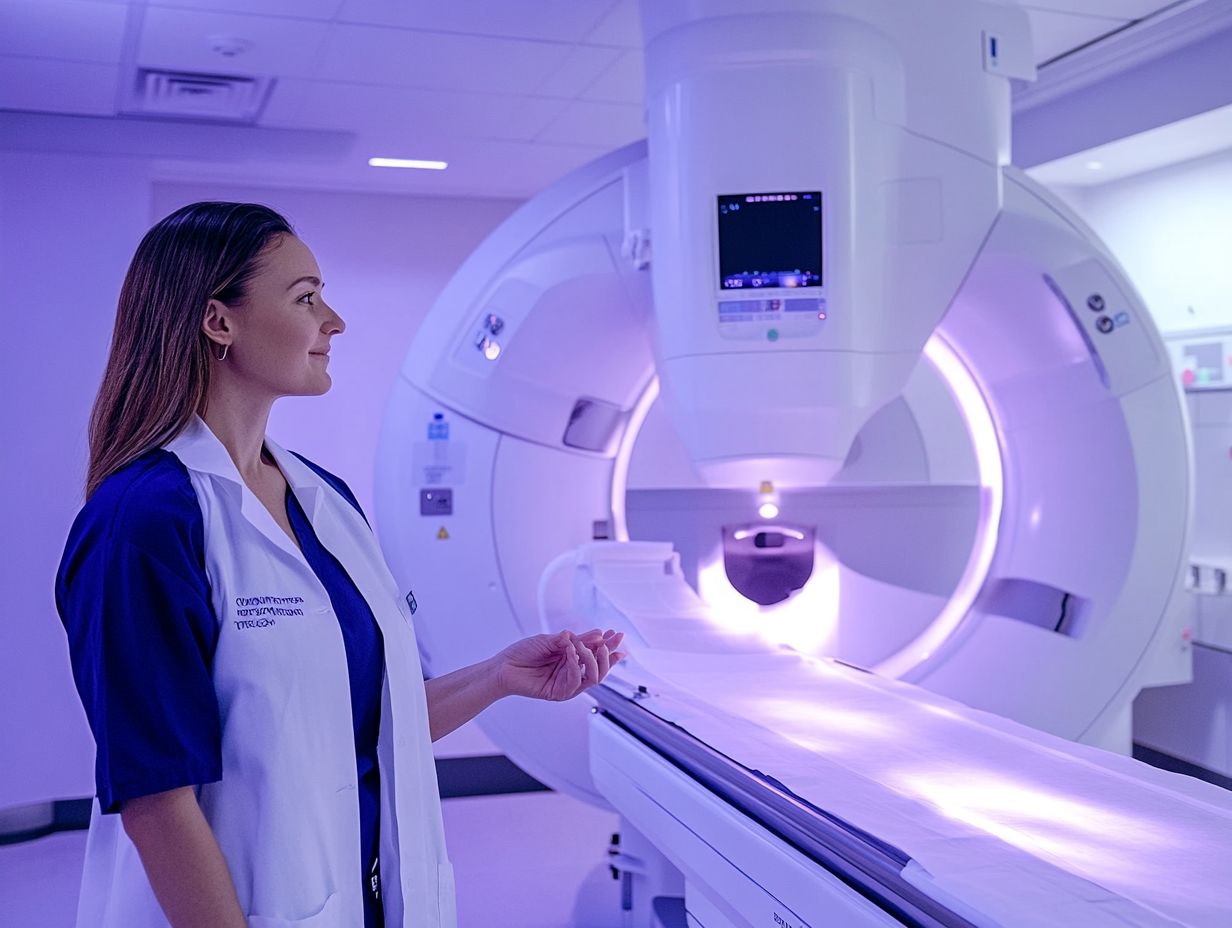
- External Beam Radiation Therapy (EBRT): In this method, radiation is delivered from a machine outside your body, directing high-energy beams precisely at the tumor. It’s commonly used for cancers such as breast, lung, prostate, and pancreatic cancer. Machines called linear accelerators ensure the beams hit their target accurately.
- Brachytherapy (Internal Radiation): This technique places radioactive material directly inside or near the tumor, allowing concentrated doses of radiation to the cancer cells while sparing surrounding tissue. It’s often used for localized cancers like prostate and cervical cancer.
Your healthcare team will determine the most suitable type based on your cancer’s location, size, and stage.

Radiation Therapy as Primary, Neoadjuvant, or Adjuvant Treatment
You might hear radiation called a primary, neoadjuvant, or adjuvant therapy:
- As primary treatment, radiation aims to eliminate tumors directly.
- Neoadjuvant therapy uses radiation to shrink tumors before surgery, making surgery more effective.
- As adjuvant therapy, radiation targets any remaining cancer cells after surgery to reduce recurrence risk.
Your doctor will explain which approach fits best with your unique situation.
Managing Side Effects: What to Expect
Radiation therapy can cause side effects, which depend on where your treatment is targeted. Common acute side effects during or shortly after therapy include:
- Fatigue
- Skin irritation or redness where radiation is applied
- Soreness or discomfort in the treated area
Some side effects appear later, even months or years after treatment, such as:
- Chronic pain or stiffness, particularly in pelvic regions following treatment for cancers like prostate or rectal cancer
- Risk of secondary cancers in rare cases
If you experience any symptoms, your healthcare provider can recommend ways to manage them. Open communication about side effects allows your team to support you better.
How Radiation Therapy Scheduling Works
Radiation schedules vary based on factors such as cancer type, stage, and your overall health. Typically, treatments occur daily over several weeks, but your radiation oncologist will tailor your plan using detailed scans to ensure optimal timing and dosing. This personalized approach maximizes treatment effectiveness while reducing potential side effects.
Radiation Therapy and Fertility Considerations
If you’re of childbearing age, radiation may affect your fertility because it can harm reproductive organs or genetic material. For example, women may experience early menopause or reduced egg viability, while men might see a decrease in sperm count or mobility. It’s important to discuss fertility preservation options with your care team before treatment begins, especially if you’re receiving radiation near the pelvic area.
Combining Radiation with Other Treatments
Radiation therapy often works best when combined with other cancer treatments. For instance, chemotherapy may be used alongside radiation to more effectively attack cancer cells. In some cases, such as head and neck cancers, this combined approach can shrink tumors before surgery. Additionally, radiation can be part of palliative care, relieving symptoms like pain or swelling from advanced cancer to improve quality of life.
Post-Treatment Care and Emotional Support
After completing radiation therapy, regular follow-up visits are key to monitor your recovery and catch any late-emerging side effects. Supportive care services, including counseling, nutrition advice, and physical therapy, can enhance your healing and emotional well-being. Connecting with peer support groups can also provide comfort and shared experiences as you navigate life after treatment.
Preparing for Radiation Therapy
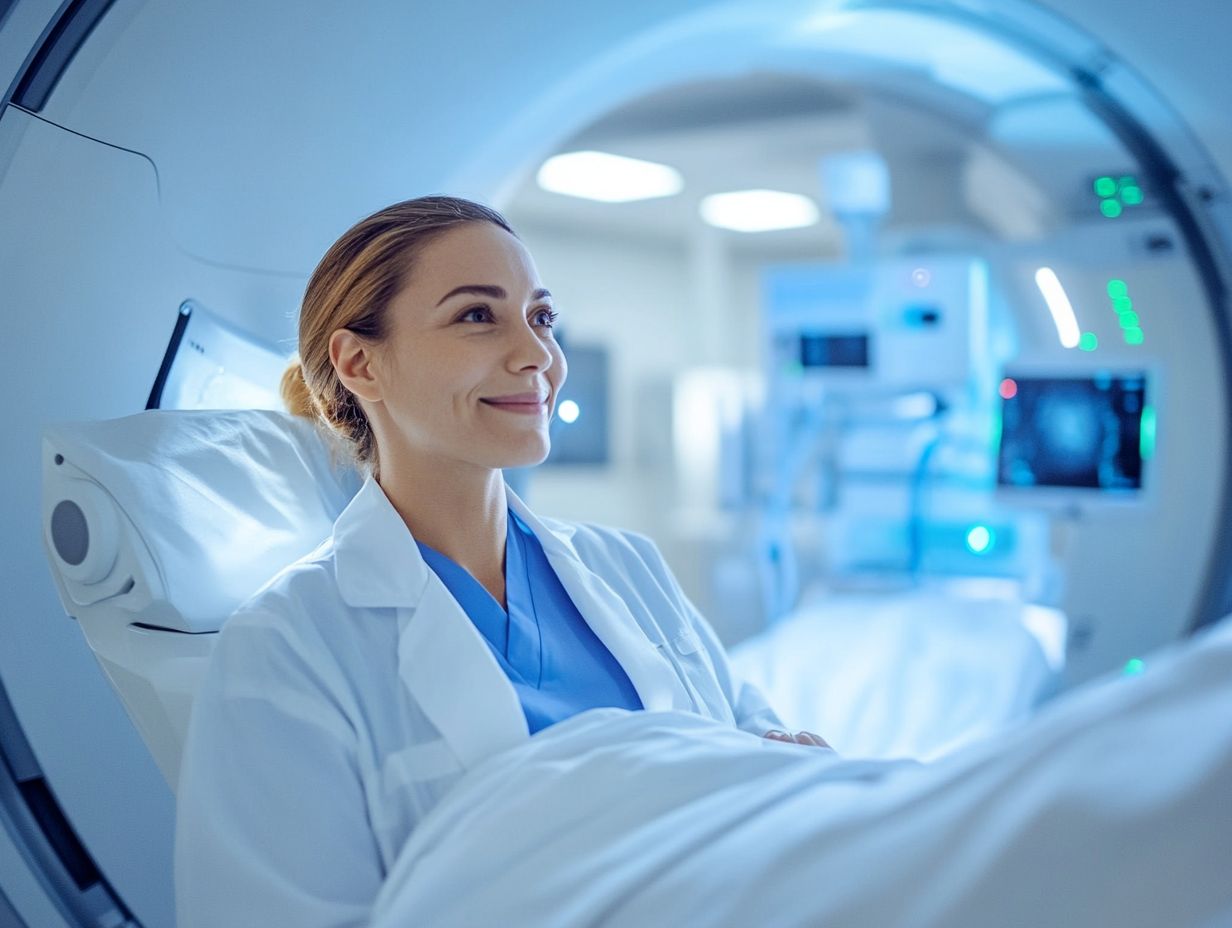
Before your treatment starts, you’ll meet with your radiation oncologist to create a personalized plan. You may undergo imaging scans to pinpoint tumor locations precisely. Preparing might also involve lifestyle changes such as quitting smoking, maintaining a healthy diet, and managing stress — all helping improve treatment tolerance and outcomes.
Exploring Alternatives and Personalized Treatment Options
While radiation is a powerful tool, alternatives and complementary therapies like chemotherapy, immunotherapy, or targeted therapy might be part of your treatment plan. Each therapy works differently: chemotherapy uses drugs to kill cancer cells, immunotherapy boosts your immune response, and targeted therapy attacks cancer-specific molecules. Your medical team considers all these options to tailor the best care for you.
For more detailed and personalized information, reputable sources such as the National Cancer Institute, the Mayo Clinic, and Cancer Research UK offer trusted guidance.
Frequently Asked Questions
What exactly is radiation therapy?
Radiation therapy is a cancer treatment that uses high-energy radiation to kill cancer cells or shrink tumors by damaging their DNA so they cannot multiply.
How do I know which type of radiation therapy I will receive?
Your treatment team will choose the best type based on your cancer’s location, size, and stage. External beam radiation treats tumors from outside the body, while brachytherapy places radiation inside or near the tumor.
Will radiation therapy make me feel tired or cause other side effects?
Many patients experience fatigue and skin changes during treatment. Side effects often depend on the treatment area but are usually manageable. Your healthcare team will guide you through symptom relief strategies.
How long does radiation therapy take?
Treatment typically lasts several weeks with daily sessions, but the exact length depends on your cancer and personalized plan.
Can radiation therapy affect my ability to have children?
Radiation near reproductive organs can impact fertility. It’s important to discuss preservation options with your doctor before starting therapy if you wish to have children in the future.
Where can I find support during radiation therapy?
Supportive oncology services, counseling, and patient groups can help you cope emotionally and physically throughout treatment and beyond.
How Does Radiation Therapy Work?
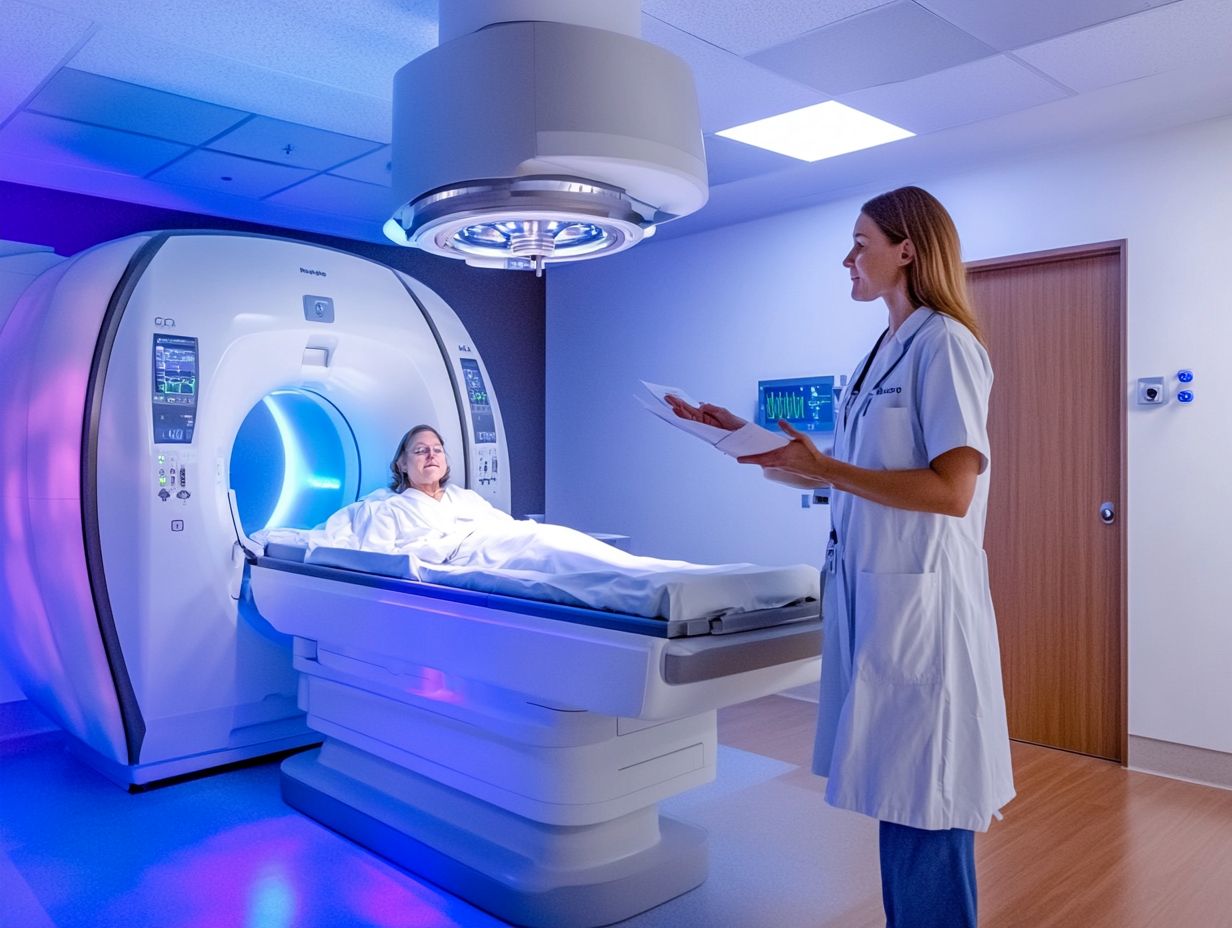
Radiation therapy works by using high-energy radiation to damage the DNA of cancer cells, preventing them from growing and dividing.
External beam radiation therapy (EBRT) directs precise radiation beams from machines to target tumors.
Brachytherapy places radioactive sources directly inside or near the tumor for concentrated doses.
Radiation therapy aims to destroy cancer cells while minimizing damage to surrounding healthy tissue.