Caring for a loved one with cancer can feel overwhelming, but you don’t have to face it alone. Today’s online resources offer a wealth of support, guidance, and practical tools designed specifically for family caregivers like you. From emotional support to nutrition advice, financial help to legal guidance, these resources empower you to provide the best care while also taking care of yourself.
1. Support Groups for Caregivers

Joining a support group can make a big difference. Organizations such as the Cancer Support Community provide safe spaces to share your feelings, exchange advice, and find comfort among others who truly understand your journey. These groups help you manage stress and improve the quality of care you give.
2. Online Forums and Communities
Platforms like CaringBridge connect you with fellow caregivers and cancer patients, fostering communication and reducing feelings of isolation. These communities also enable you to ask questions, share experiences, and access information from health professionals.
3. Educational Websites
If you want to learn more about cancer treatments and caregiving roles, trusted sources such as the American Cancer Society and the National Cancer Institute (NCI) offer comprehensive, easy-to-understand information on symptoms, treatment options, medication management, and emotional support techniques.
4. Financial Assistance Programs
Managing the financial side of cancer care can be challenging. Programs from organizations like CancerCare and the Patient Advocate Foundation offer grants, co-pay assistance, and advice to help ease the burden of medical bills, transportation, and insurance hurdles.
5. Online Counseling Services
Your well-being matters. Online counseling platforms provide access to mental health professionals who can help you cope with caregiver stress, anxiety, and burnout — all from the comfort of home. Addressing your emotional health helps you sustain resilience throughout the caregiving journey.
6. Caregiver Blogs and Personal Stories
Reading real-life experiences can offer comfort and practical tips. Blogs like “The Caregiver Space” and “Cancer Compass” share stories from fellow caregivers, advice on stress management, and inspiring messages to remind you that you’re not alone.
7. Telemedicine and Virtual Support
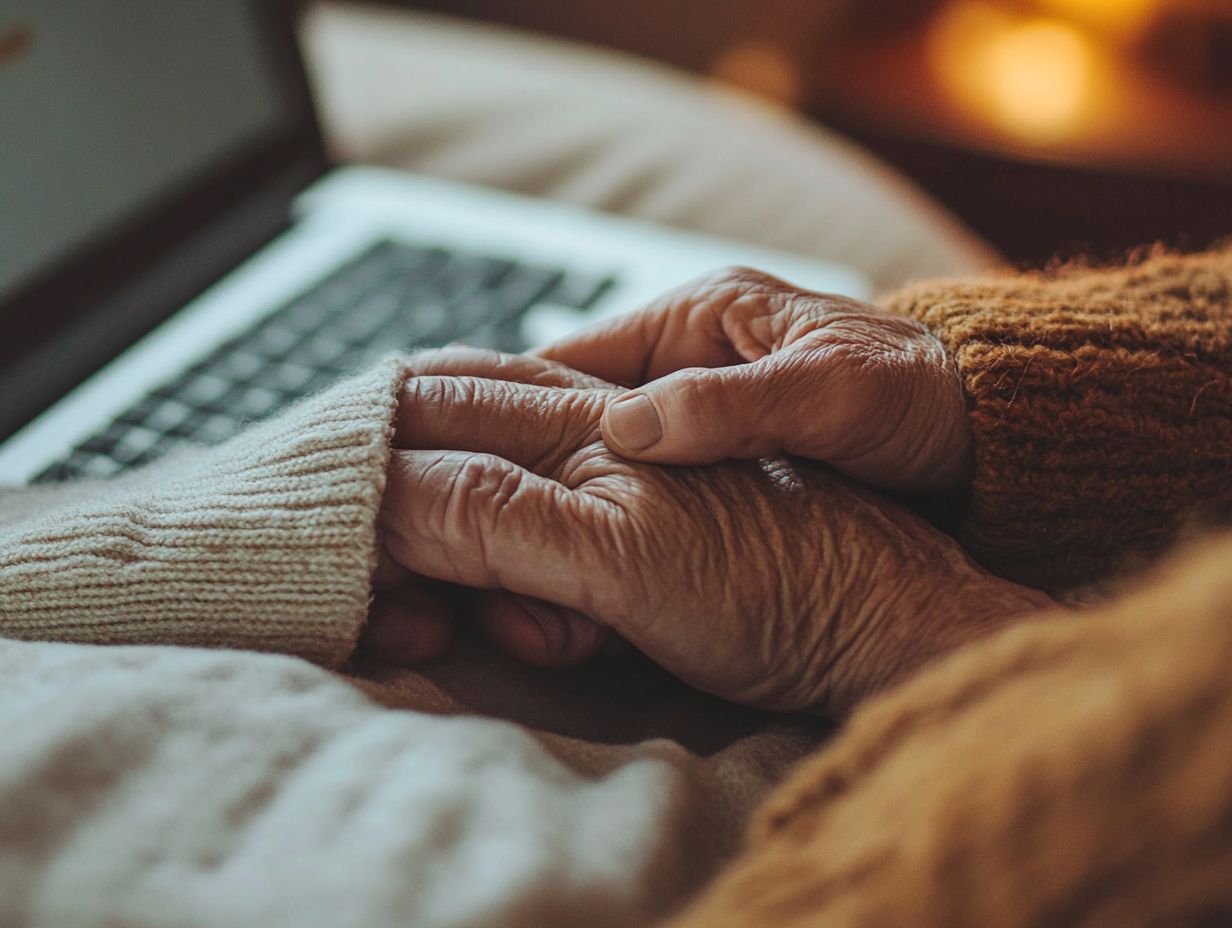
Virtual healthcare services let you coordinate appointments and communicate with medical teams remotely, saving time and reducing travel stress. Telemedicine improves care by making it easier to involve specialists and social workers in your loved one’s treatment plan.
8. Self-Care Resources for Caregivers
Caring for yourself is just as important as caring for your loved one. Incorporating mindfulness, regular physical activity, and hobbies into your routine can help reduce anxiety and improve your mood. Support groups and professional counseling offer additional ways to maintain your spiritual and emotional health.
9. Nutrition and Meal Planning Services
Proper nutrition supports healing. Many communities offer workshops, cooking classes, and meal-planning tools designed specifically for cancer patients. Organizations like the American Cancer Society and CancerCare provide expert advice to help you prepare nourishing meals that meet dietary needs during treatment.
10. Legal Aid and Advocacy Groups

Navigating legal matters can add stress to an already demanding role. Groups offering legal assistance provide guidance on caregiver rights, insurance, and patient navigation. Familiarizing yourself with laws like the Family and Medical Leave Act (FMLA) can protect your job while you care for your loved one.
Understanding Your Role: Key Caregiver Responsibilities
As a caregiver, you’ll provide emotional support, help manage medical appointments, oversee medication schedules, and assist with daily tasks like bathing, dressing, and meal preparation. You also serve as a communication link between your loved one and their healthcare team. Learning about treatments and symptoms helps you make informed decisions and advocate effectively.
How to Find and Use Online Resources
If you have a family history of cancer or find yourself suddenly in a caregiver role, take advantage of online educational tools and support networks. They not only provide vital information but also connect you with others who share your experience. Webinars, interactive guides, and forums help you build skills and reduce feelings of isolation.
Balancing Caregiving with Self-Care
Remember, caregiving can be physically and emotionally demanding. Prioritize your own well-being by setting boundaries, managing your time wisely, and seeking respite care when needed. Self-care activities like meditation, exercise, and joining support groups can boost your resilience, helping you sustain this important role.
Frequently Asked Questions
What are the best online resources to learn about caregiving for cancer patients?
Trusted sites such as the National Cancer Institute’s Caring for the Caregiver page and the American Cancer Society’s Caregiver Resource Center provide reliable, easy-to-understand information about caregiving roles, responsibilities, and coping strategies.
Are there online support groups specific to caregivers of cancer patients?
Yes. Groups like the Cancer Support Community and CancerCare Connect offer virtual support tailored for caregivers, helping you connect with others and access mental health resources.

How can I get financial help as a cancer caregiver?
Organizations such as CancerCare and the Patient Advocate Foundation provide financial assistance programs that help cover treatment costs, transportation, and other caregiving expenses.
What steps can I take to manage stress and avoid caregiver burnout?
Prioritize self-care by setting realistic goals, taking breaks, joining support groups, and seeking professional counseling if needed. Practicing mindfulness, keeping a healthy routine, and asking for help can greatly improve your emotional well-being.
Where can I find resources to help with nutrition during cancer care?
The American Cancer Society and CancerCare offer guides, meal planning tips, and cooking classes tailored to the nutritional needs of cancer patients.