
Feeling anxious during cancer treatment is very common and completely understandable. The worries about your diagnosis, treatment side effects, and how cancer may change your daily life can feel overwhelming. But there are many ways to help manage these anxious feelings—through medications, therapy, self-care practices, and supportive communities—that can improve how you cope and boost your overall well-being. This article will guide you through recognizing anxiety symptoms, exploring treatment options, and finding practical strategies so you don’t have to face these challenges alone.
Understanding Anxiety During Cancer Treatment
When you’re undergoing cancer treatment, anxiety can come from many sources—uncertainty about how the disease will progress, concerns about treatment side effects, or fears about your future quality of life. These worries are natural, but they can affect both your mental and physical health. Recognizing that anxiety is a common part of the cancer journey can help you feel less isolated and more empowered to seek support tailored to your needs.
Signs You May Be Experiencing Anxiety
You might notice anxiety through physical symptoms like a racing heart, shortness of breath, muscle tension, or trouble sleeping. Emotionally, you may feel restless, irritable, or have persistent worries. Paying attention to these signs is important because untreated anxiety can make coping with cancer harder. Keeping a journal of your feelings and triggers can help you and your healthcare team better understand your experience. Professional assessments, such as questionnaires or interviews with mental health specialists, are also valuable in identifying and addressing anxiety.
Managing Anxiety with Medications
If anxiety is significantly impacting your daily life, medications may be part of your care plan. Common options include:
- Antidepressants, which help balance brain chemicals linked to mood and anxiety.
- Benzodiazepines, which act quickly to calm severe anxiety but are generally used short-term.
- Beta-blockers, which reduce physical symptoms like rapid heartbeat or trembling.
Your healthcare provider will work with you to choose the medication that fits your health history and symptoms best, monitoring you closely to minimize side effects and interactions. For more information, the National Cancer Institute offers detailed guidance on using medications safely during cancer treatment.
Therapy Options That Help You Cope
Talking therapies are proven to reduce anxiety by helping you change patterns of thinking and develop coping skills. The most well-known is Cognitive Behavioral Therapy (CBT), which guides you to identify negative thought patterns and replace them with more balanced perspectives. Other helpful approaches include:
- Mindfulness-based therapy, which teaches present-moment awareness without judgment.
- Acceptance and Commitment Therapy (ACT), which encourages embracing feelings while committing to personal values.
- Guided imagery, which uses calming mental pictures to relieve anxiety.
These therapies can empower you to feel more in control and build resilience during your cancer journey. The Mayo Clinic provides accessible explanations about these therapy types.
Practical Self-Care Strategies You Can Use Daily
You can take active steps on your own to manage anxiety through relaxation and lifestyle habits:
- Deep breathing exercises slow your heart rate and calm your mind.
- Progressive muscle relaxation involves tensing and then relaxing muscles to release physical tension.
- Mindfulness meditation encourages gentle awareness of your thoughts and feelings.
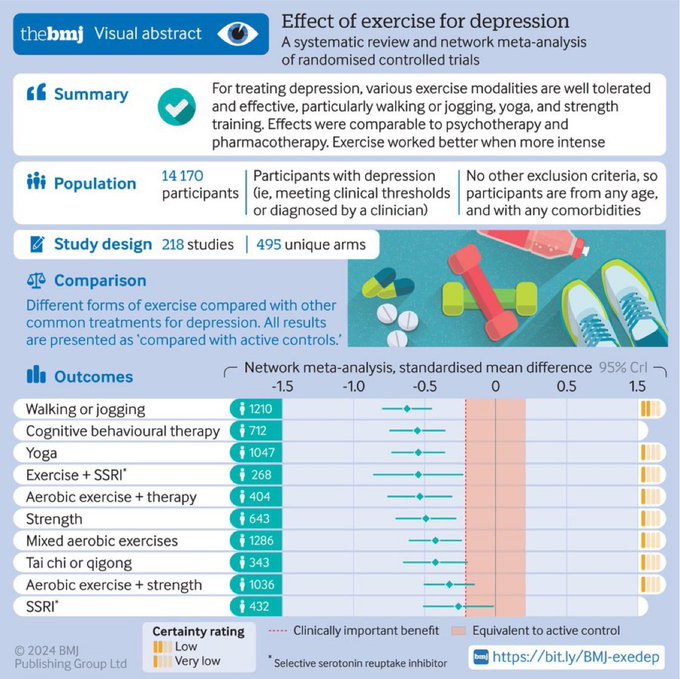
Incorporating gentle physical activities like walking or dancing can also improve mood and reduce stress. Research highlights that light exercise combined with a sense of togetherness supports mental well-being, sometimes even more than medication alone.
Building a Support Network
Feeling connected to others is key to managing anxiety. Support groups—whether in person or online—offer a space to share your experiences, gain emotional support, and learn from people who understand what you’re going through. Talking openly with friends, family, or a counselor can provide comfort and practical help. Don’t hesitate to ask your healthcare team about local resources; counseling services and community programs can offer personalized assistance.
Frequently Asked Questions
1. What can I do right now to reduce anxiety during cancer treatment?
Try simple deep breathing exercises or mindfulness meditation to calm your mind. Taking short walks, talking to someone you trust, or writing down your feelings can also help you feel more grounded.
2. When should I talk to my doctor about anxiety medications?
If anxiety is persistent, intense, or interfering with daily activities, share your concerns with your healthcare provider. They can evaluate if medications might be helpful alongside other treatments.
3. Are support groups really effective for managing cancer-related anxiety?
Yes, support groups connect you with others facing similar challenges, decreasing feelings of isolation and providing emotional encouragement.
4. How can therapy help me cope with anxiety during cancer treatment?
Therapies like CBT teach practical skills to change anxious thought patterns and develop better ways to handle stress, improving your overall mental health.
5. Is it normal to feel anxious even after treatment ends?
Absolutely. Anxiety can continue post-treatment due to fear of recurrence or adjusting to life changes. Continuing self-care and seeking support remains important.
For additional trusted information, visit the American Cancer Society’s page on coping with cancer and the Centers for Disease Control and Prevention’s guidance on mental health and cancer. Remember, managing anxiety is not only about surviving cancer but helping you live fully through it—support is available every step of the way.